Kenya
Uncertain Seasons























Uncertain seasons
Where: Kenya
When: 2026
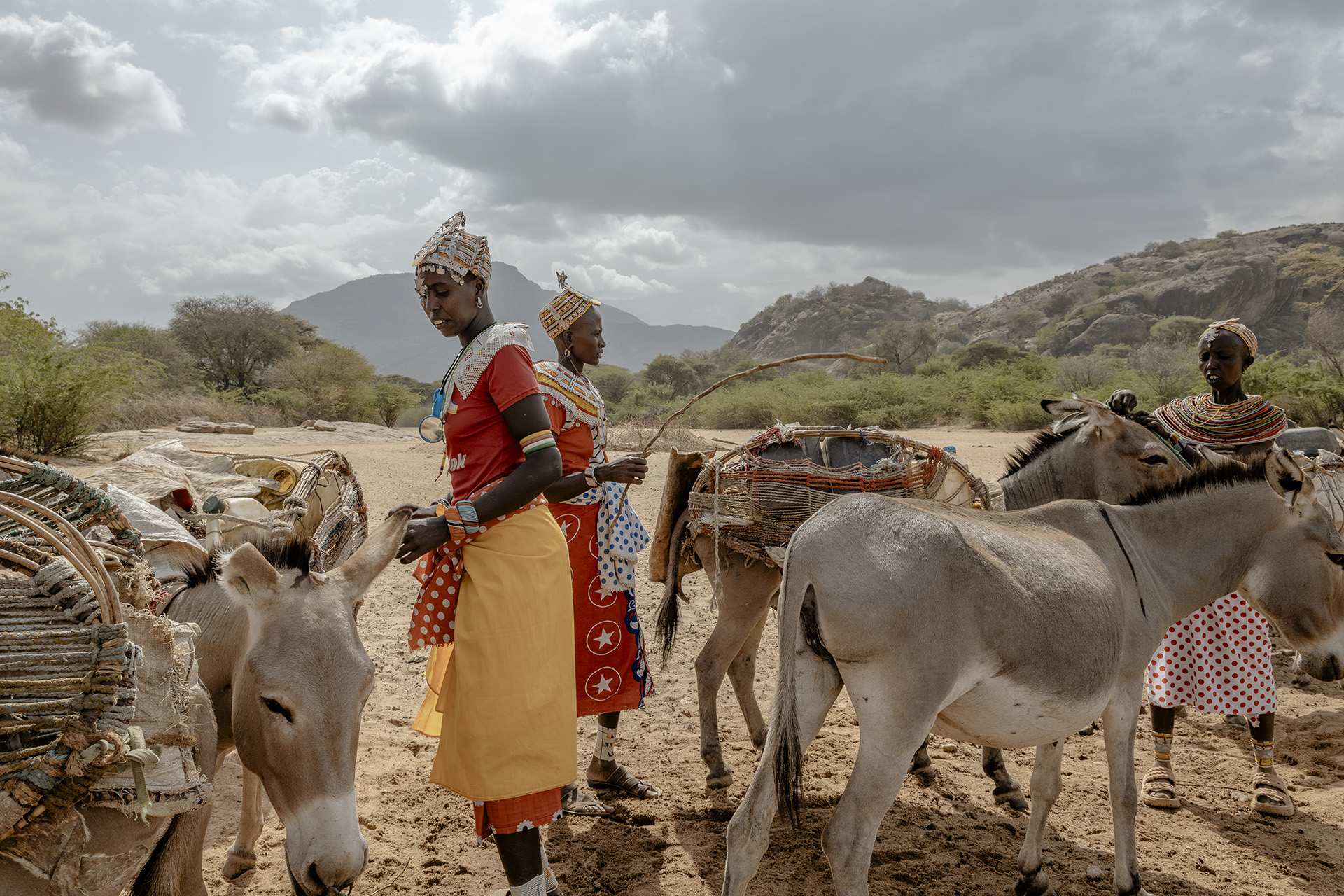
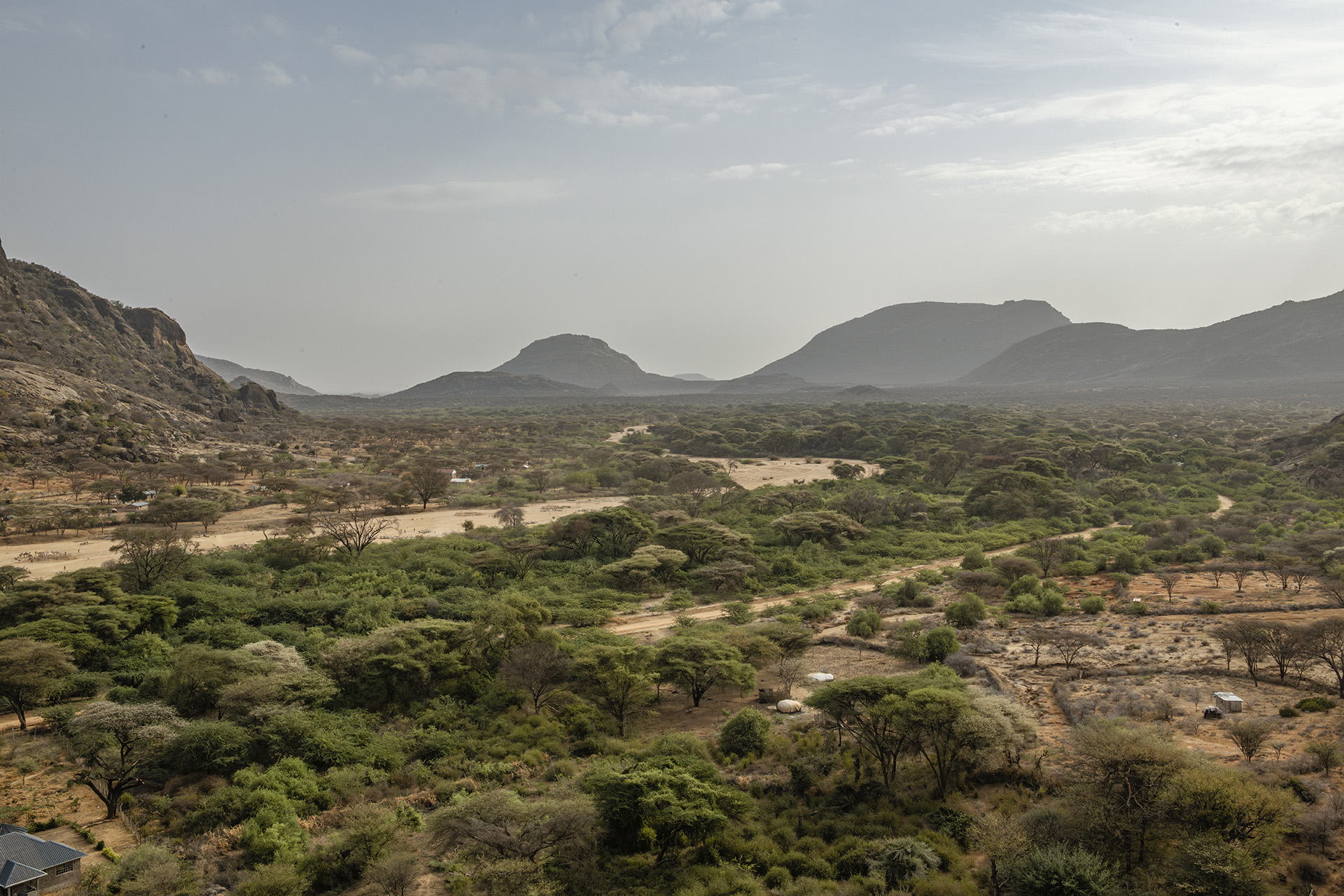
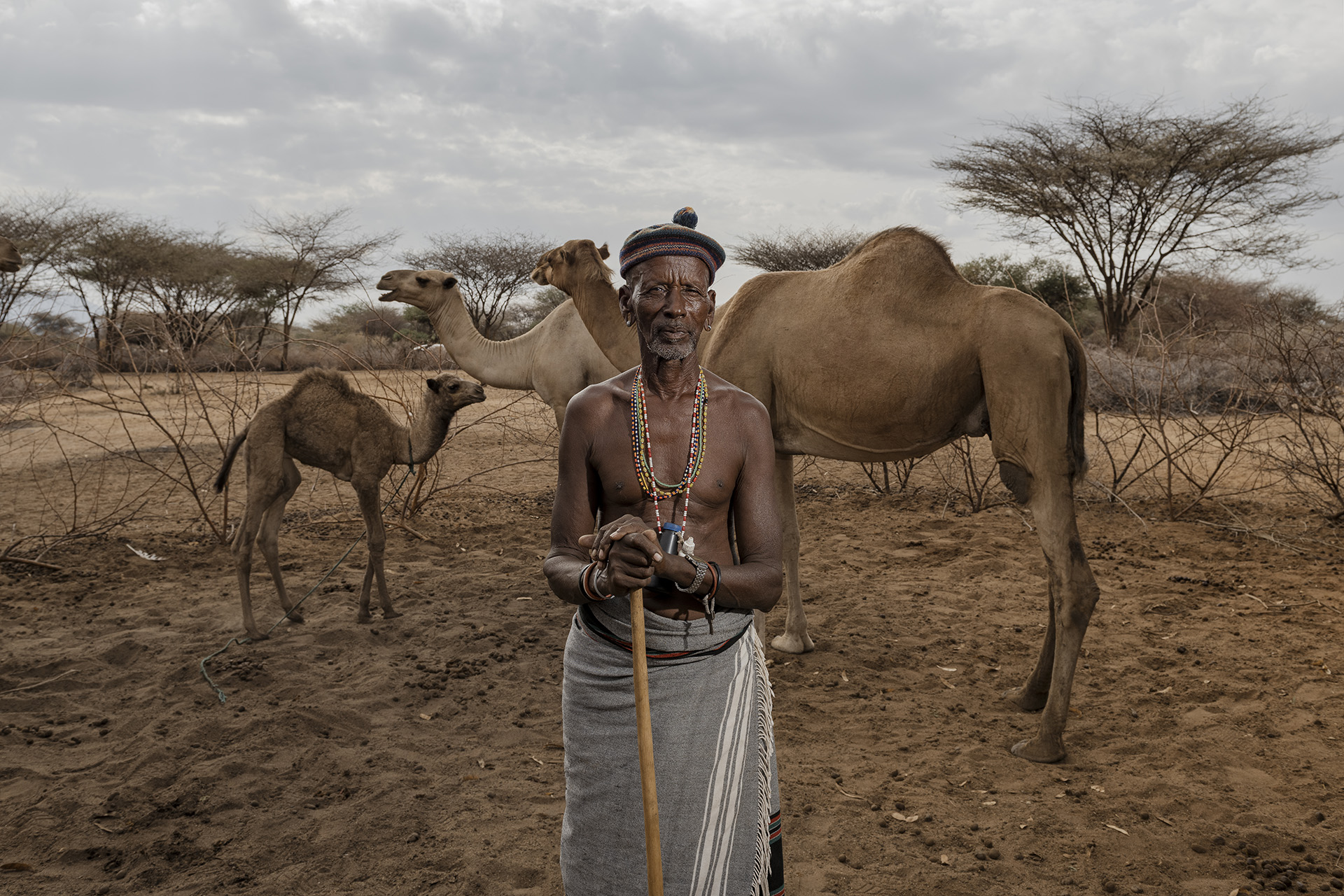
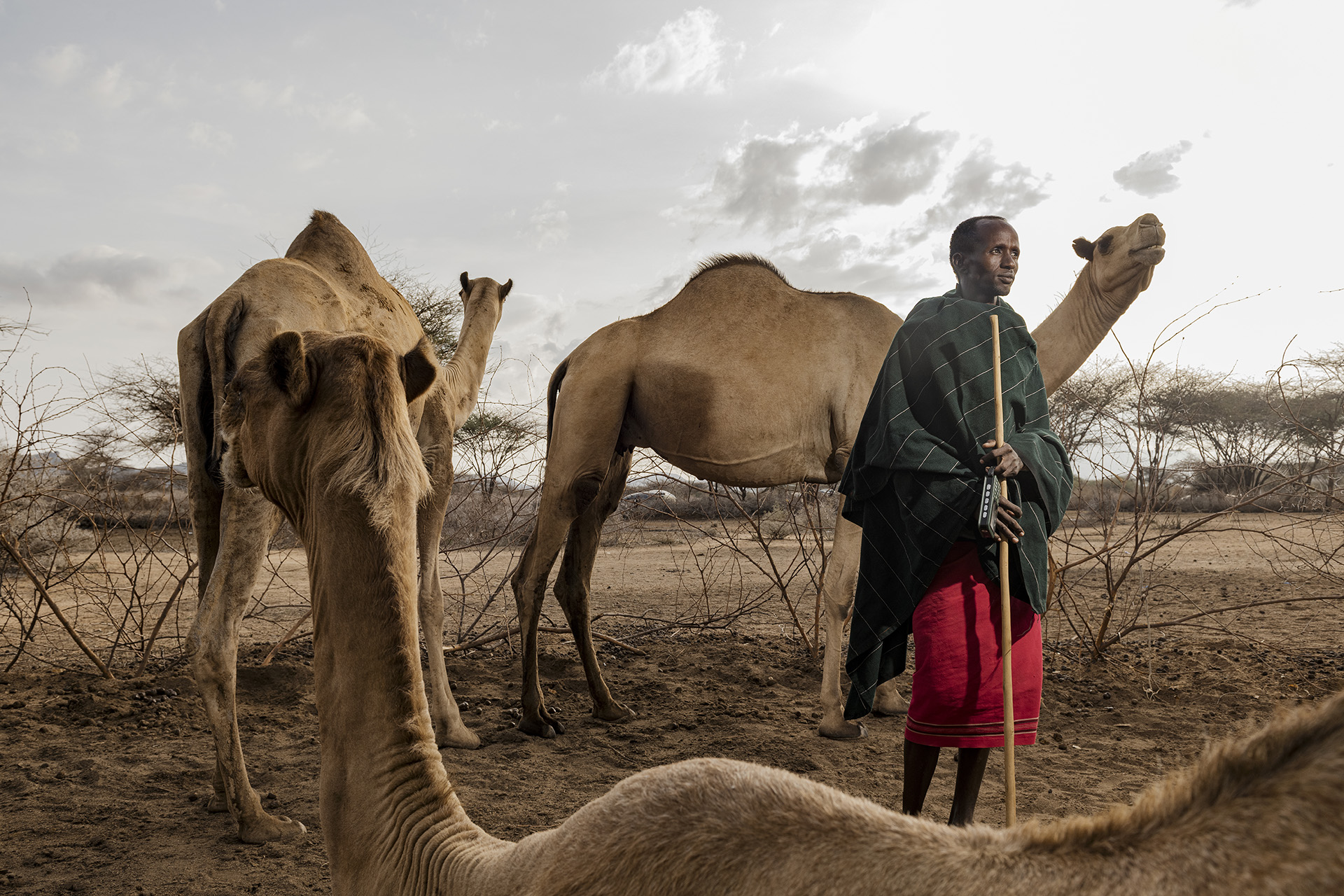
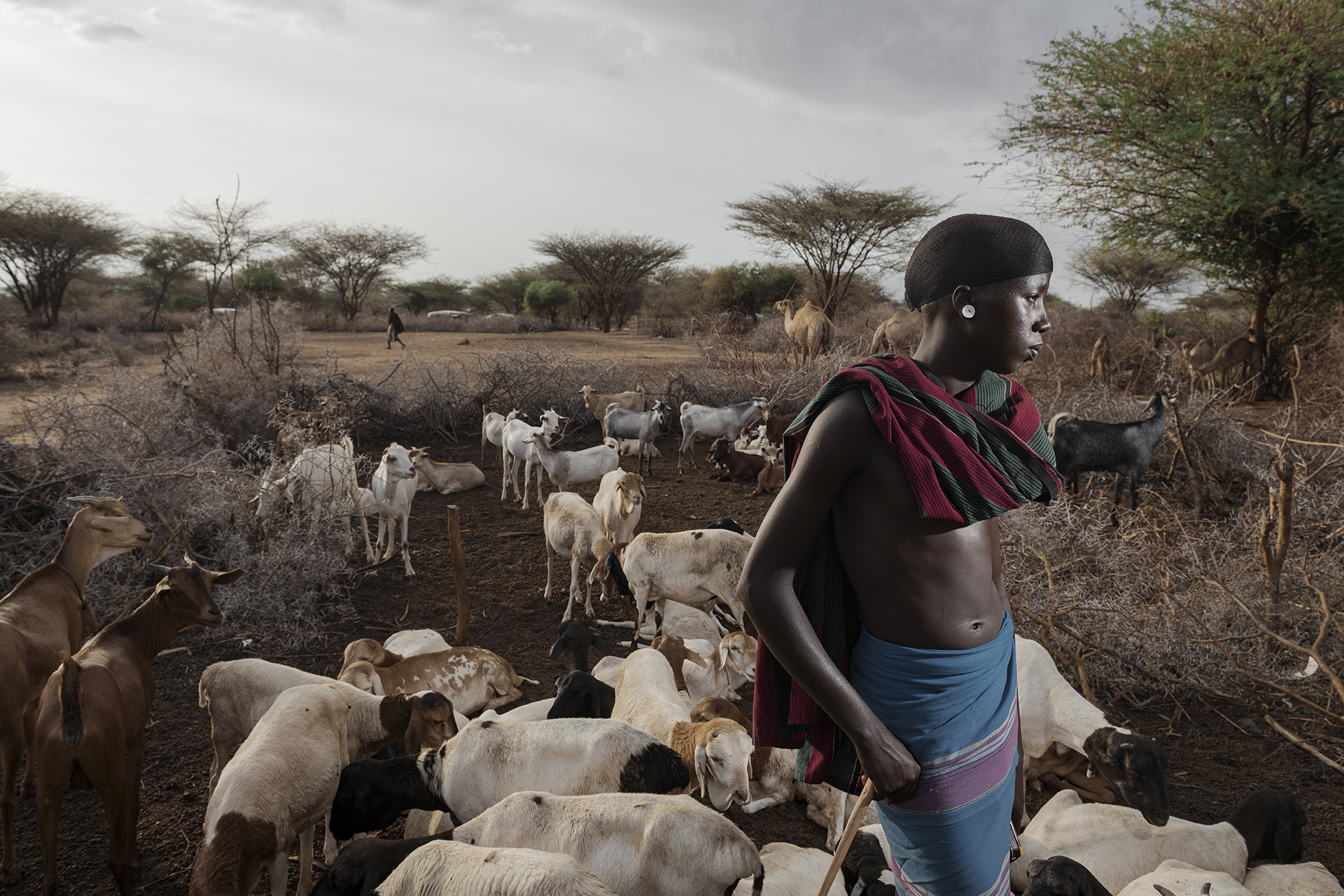
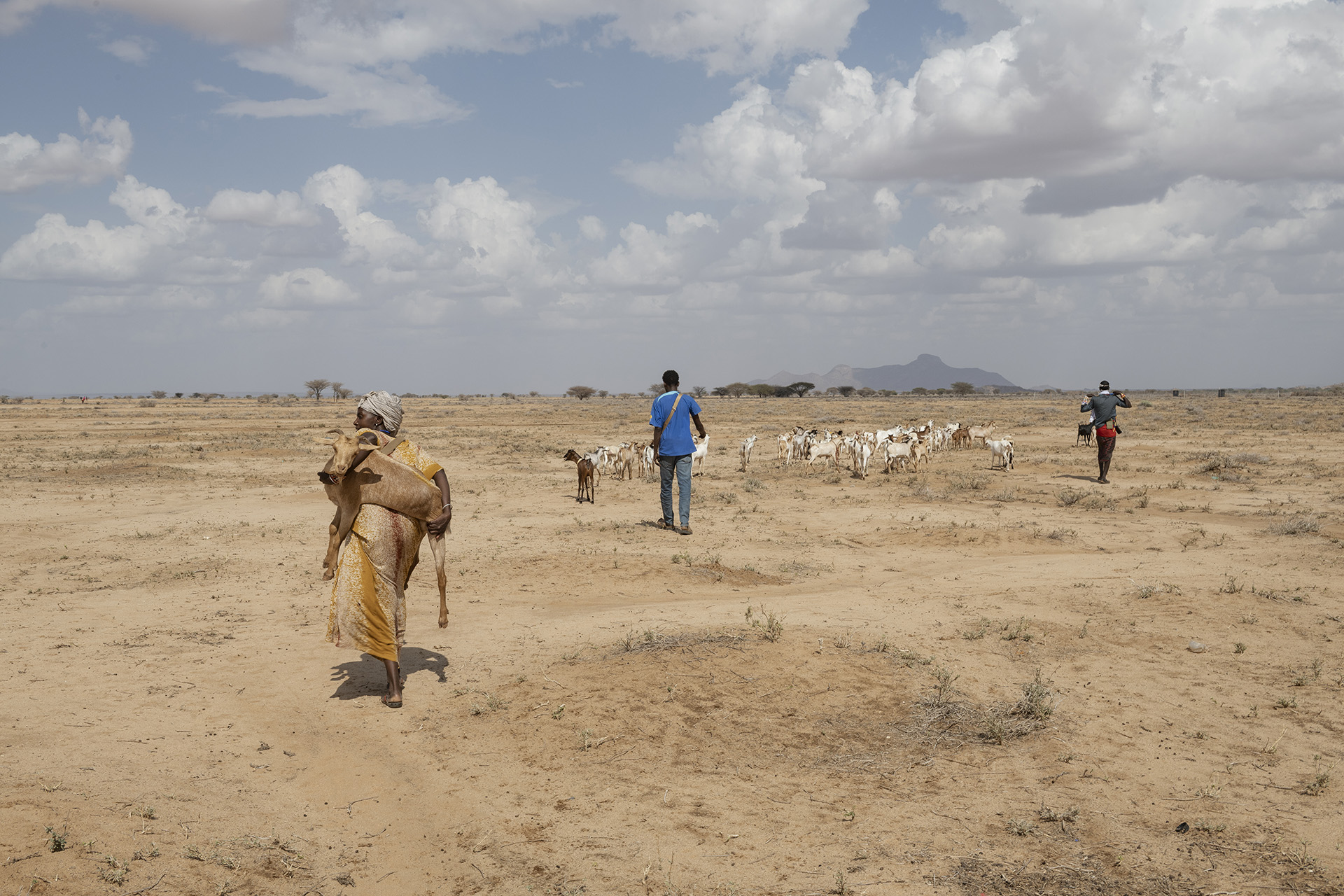
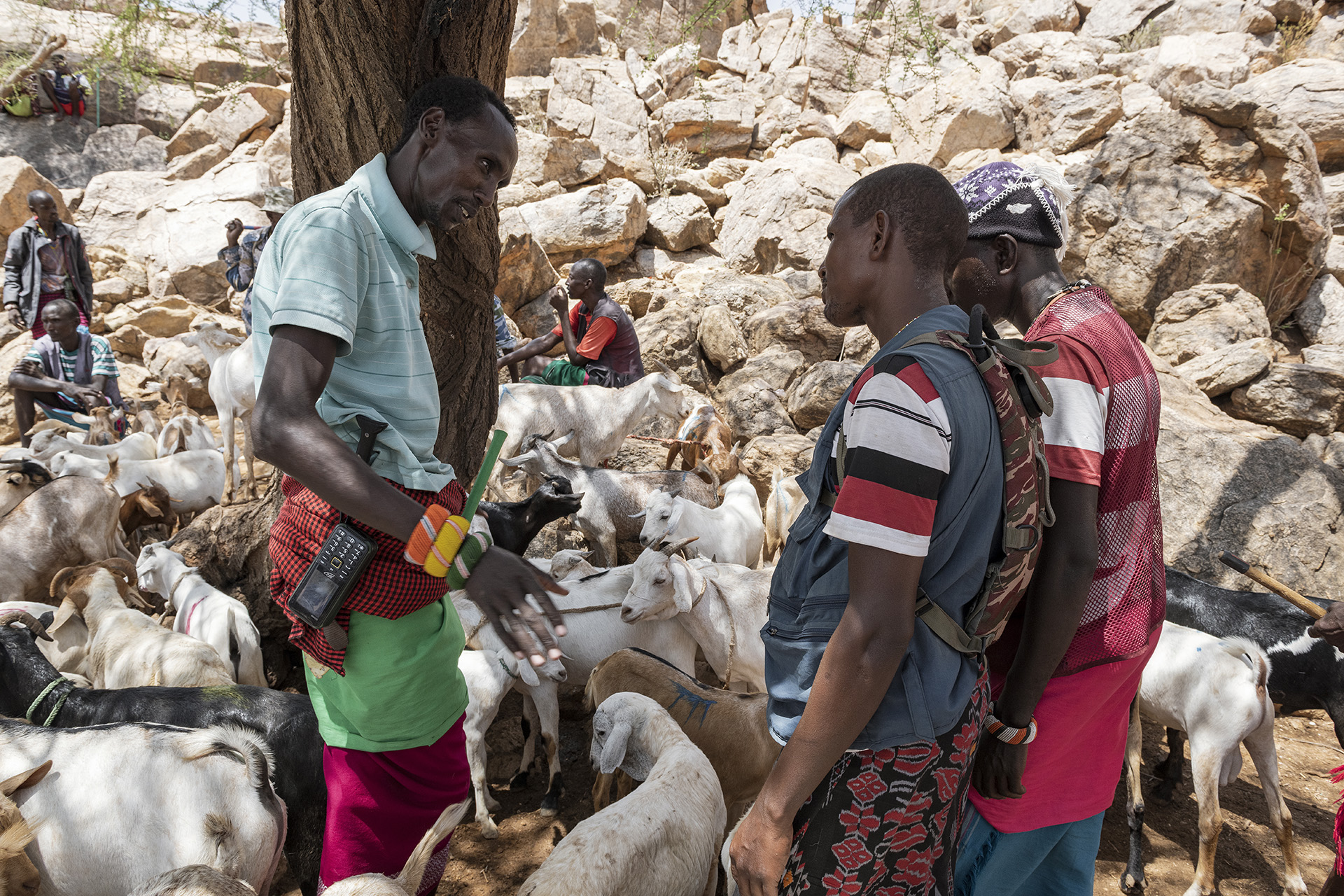
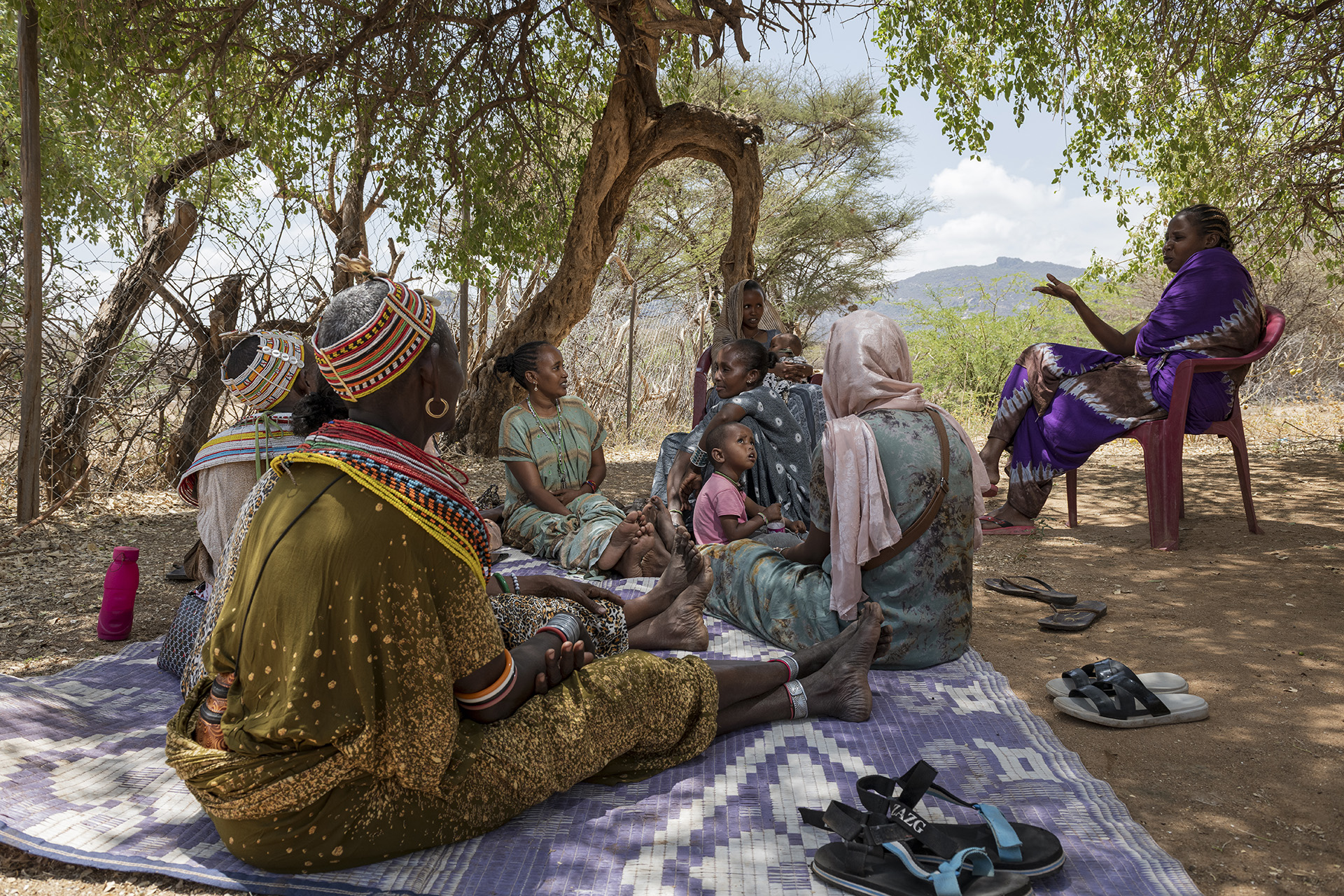
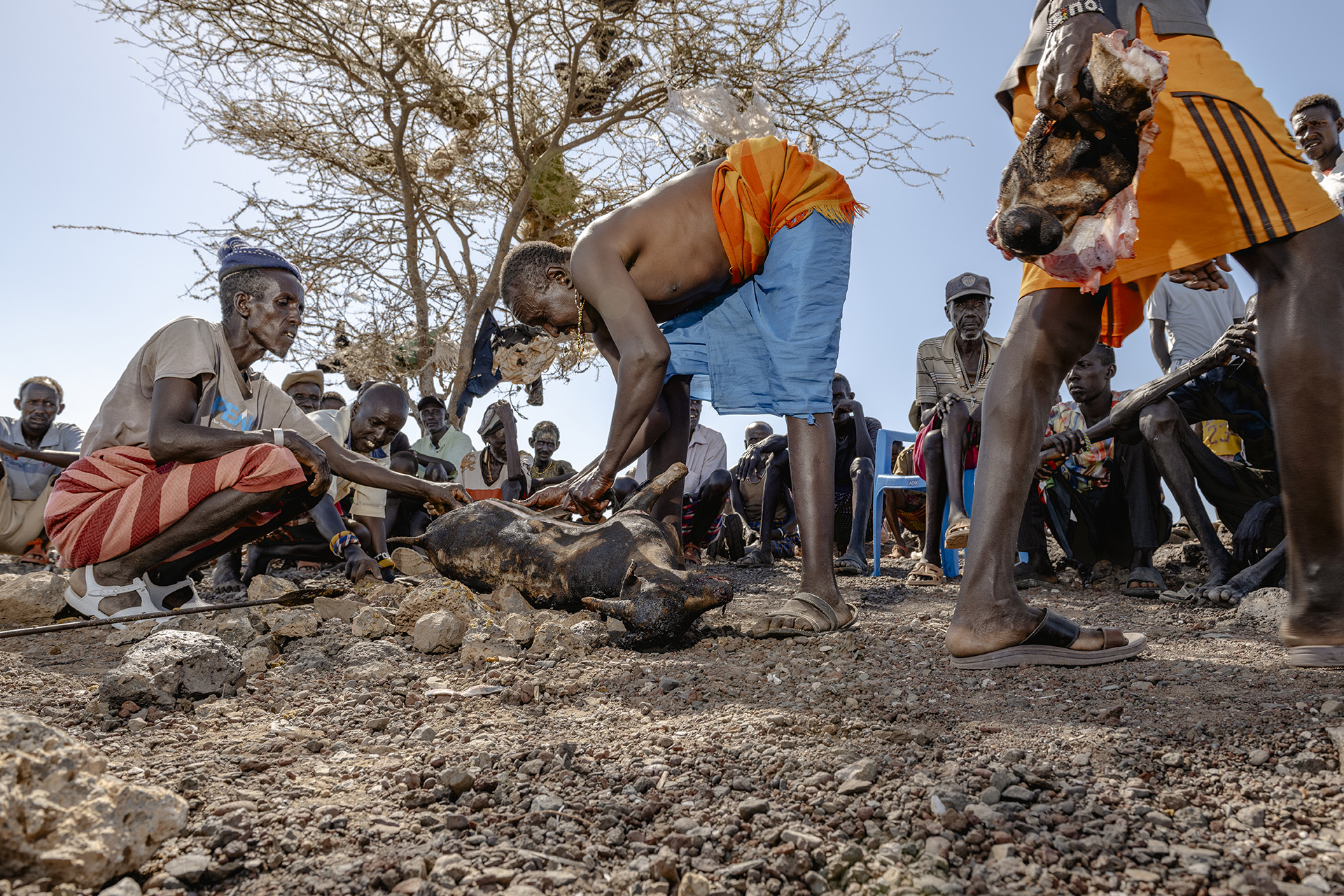
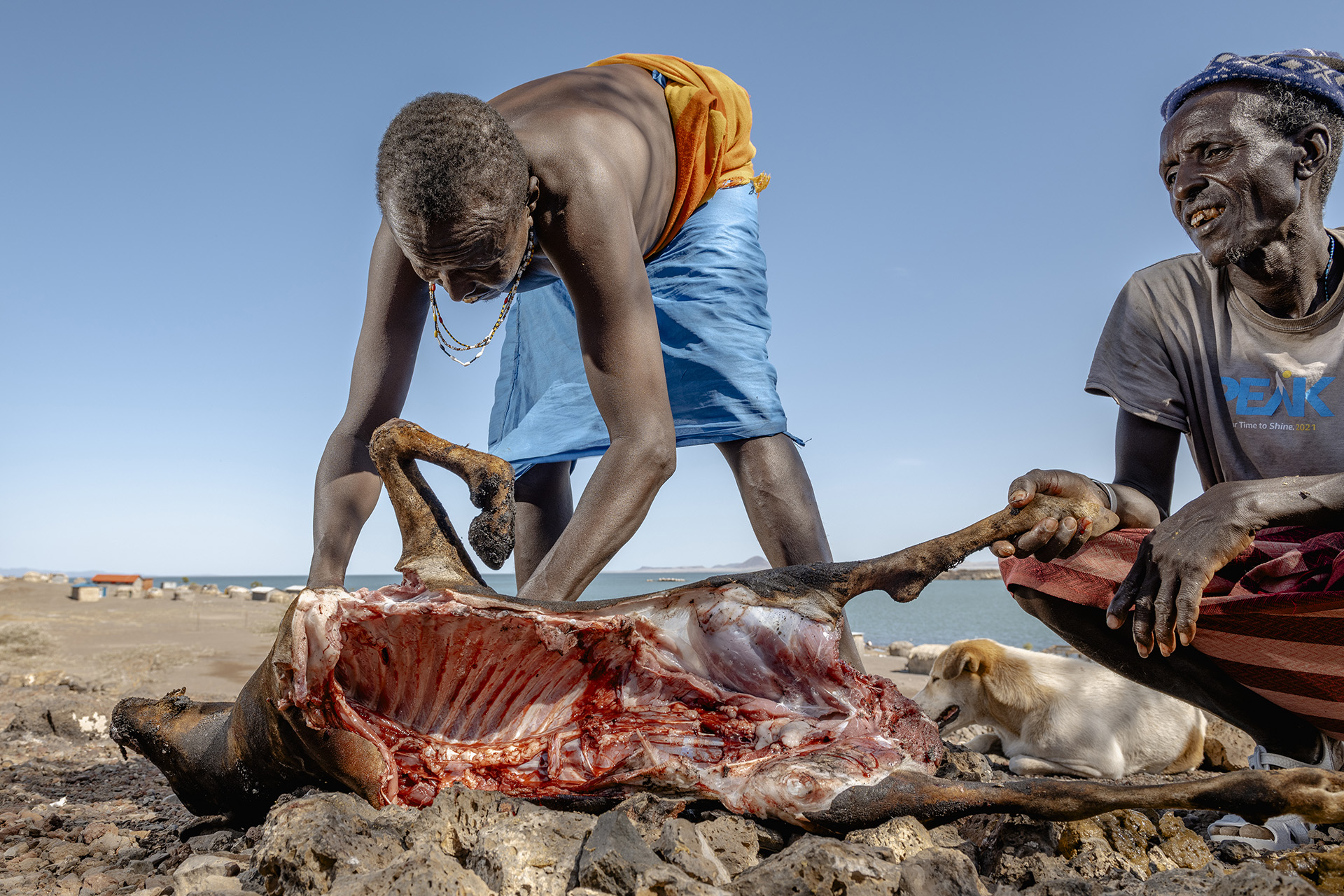
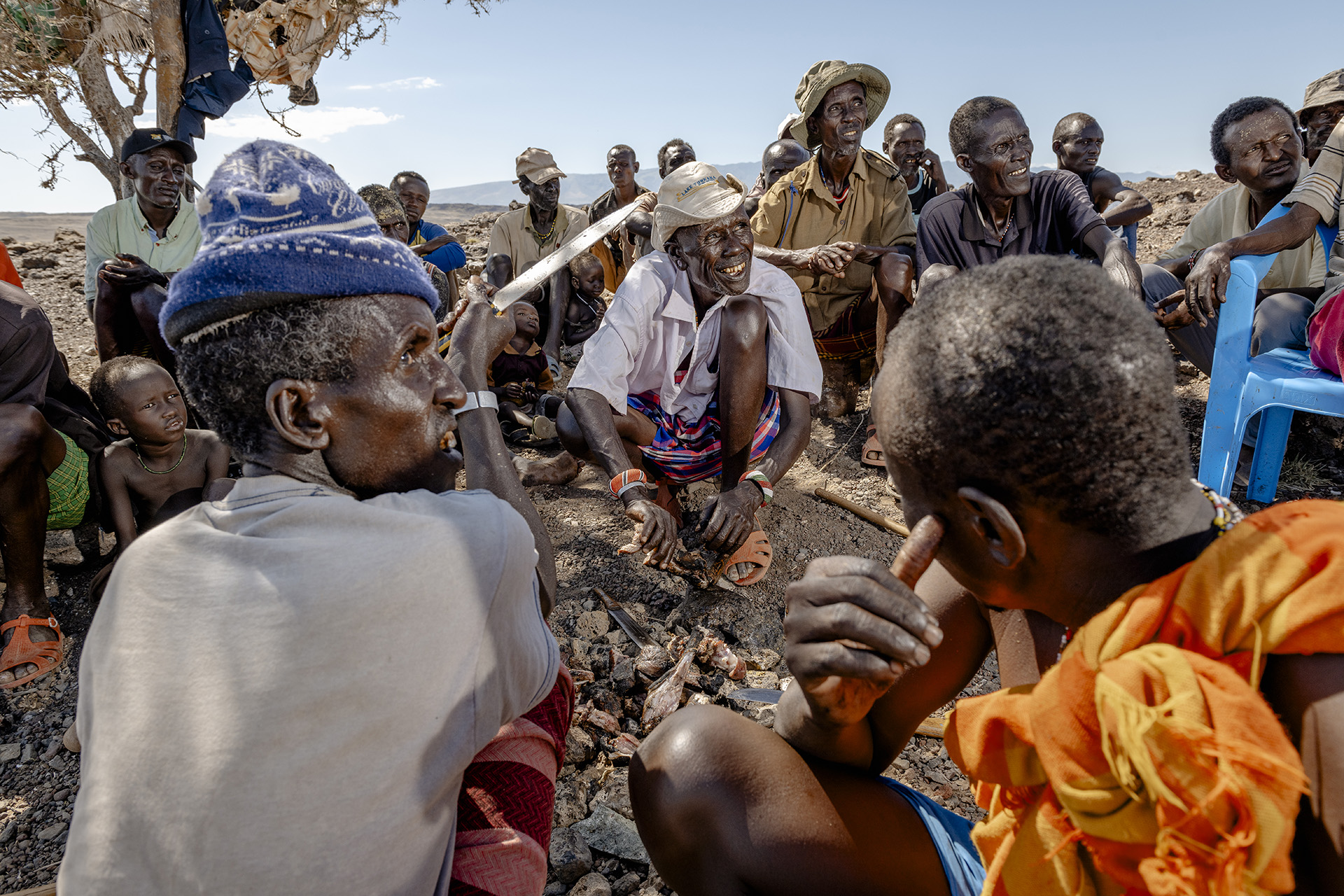
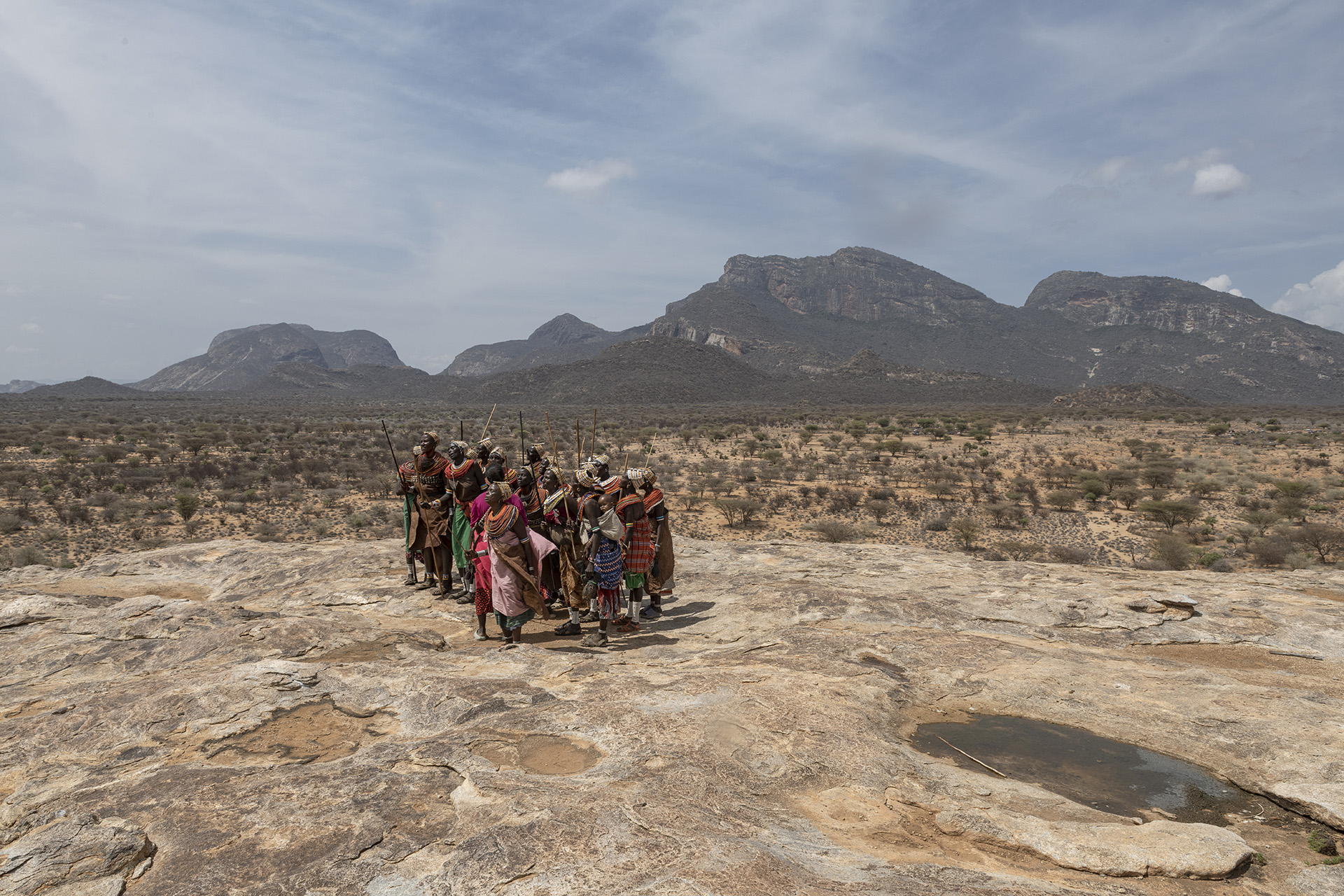
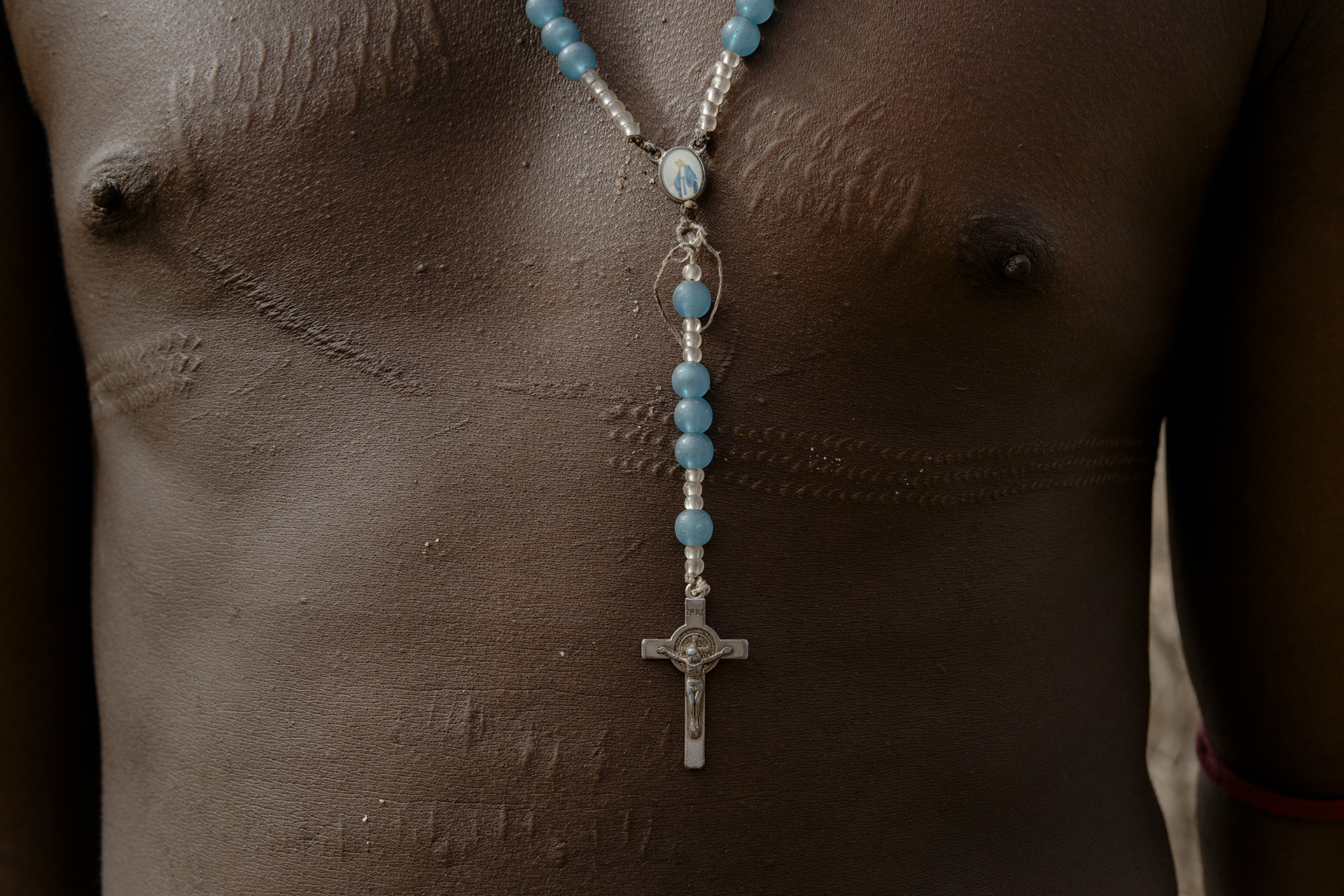
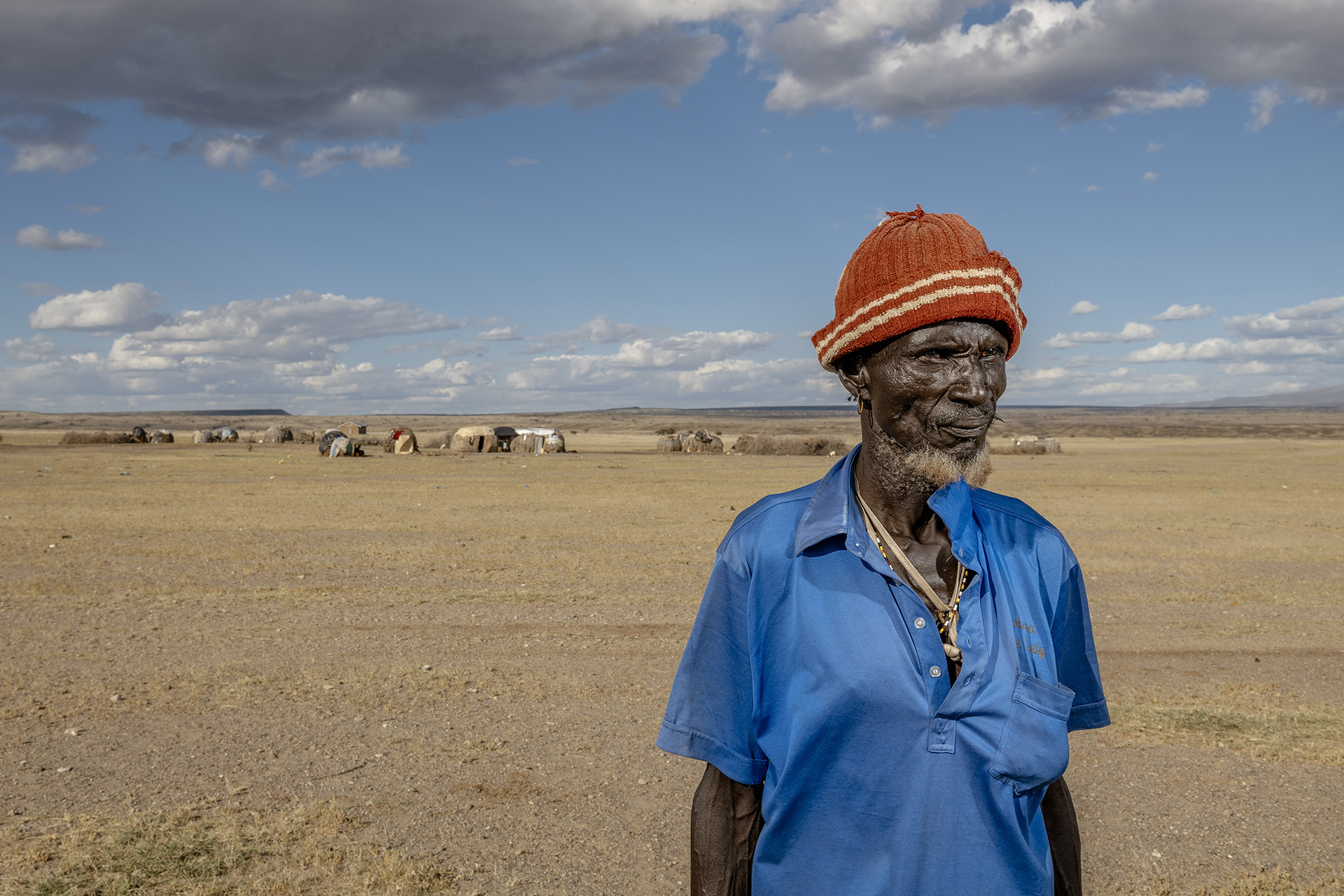
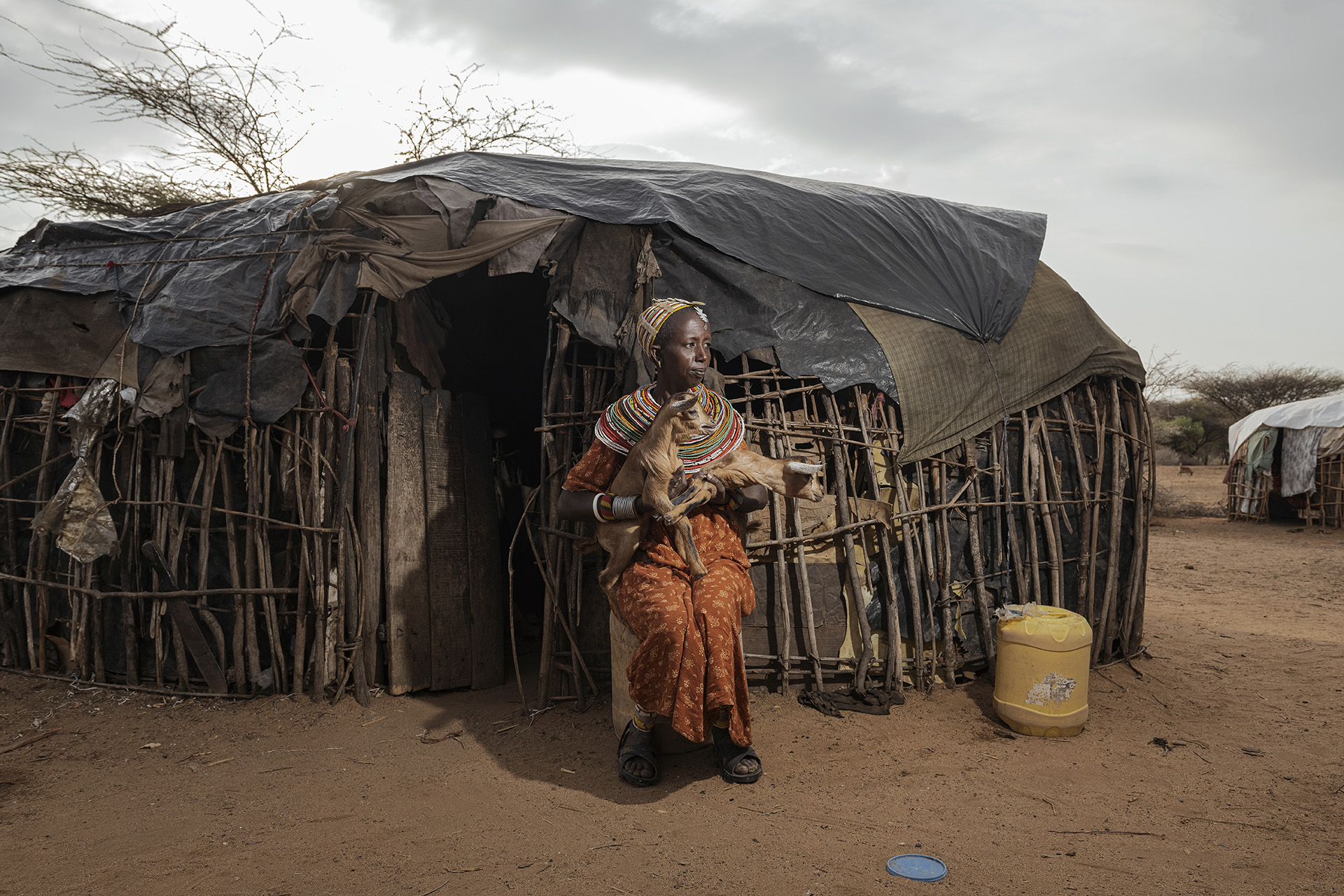
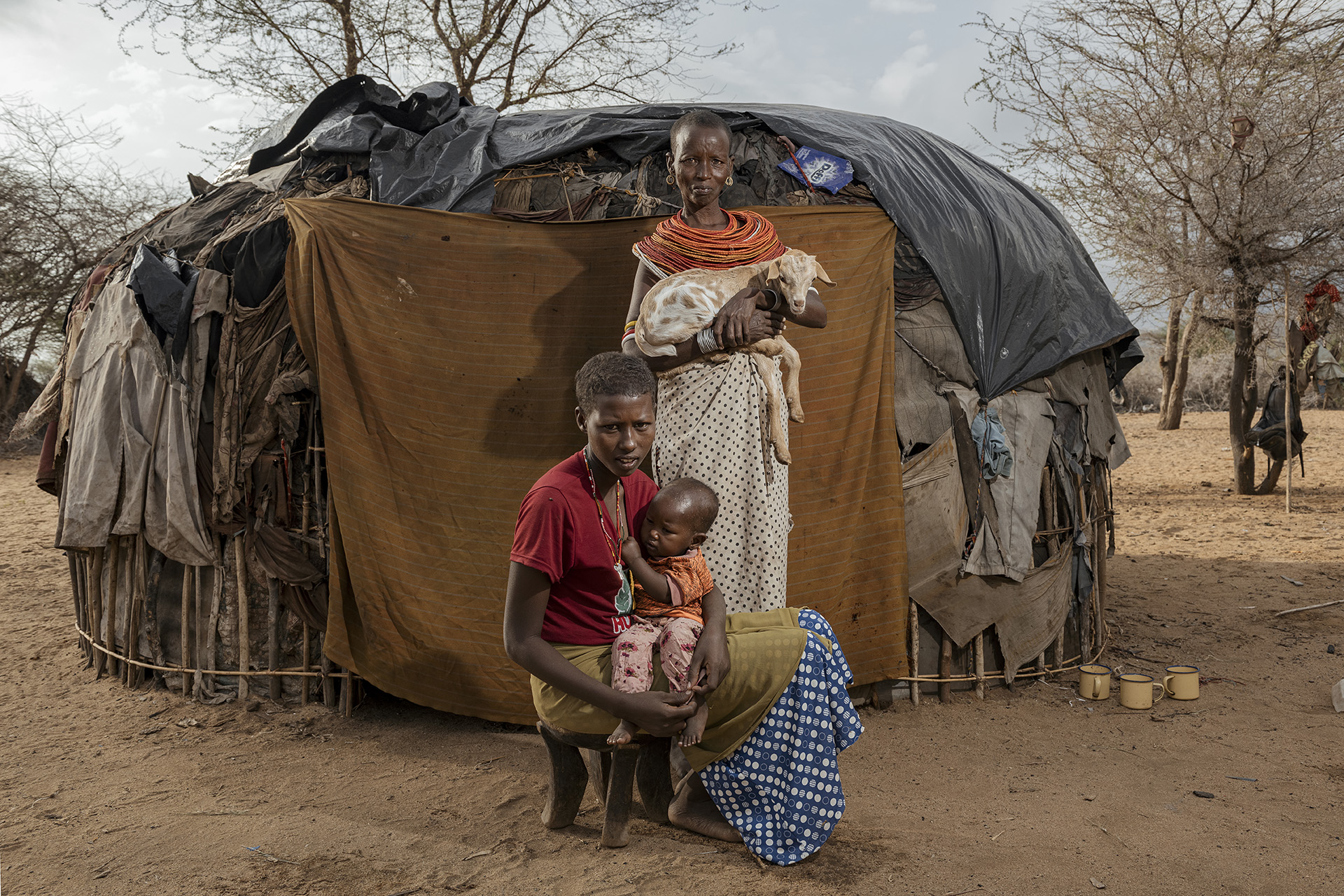
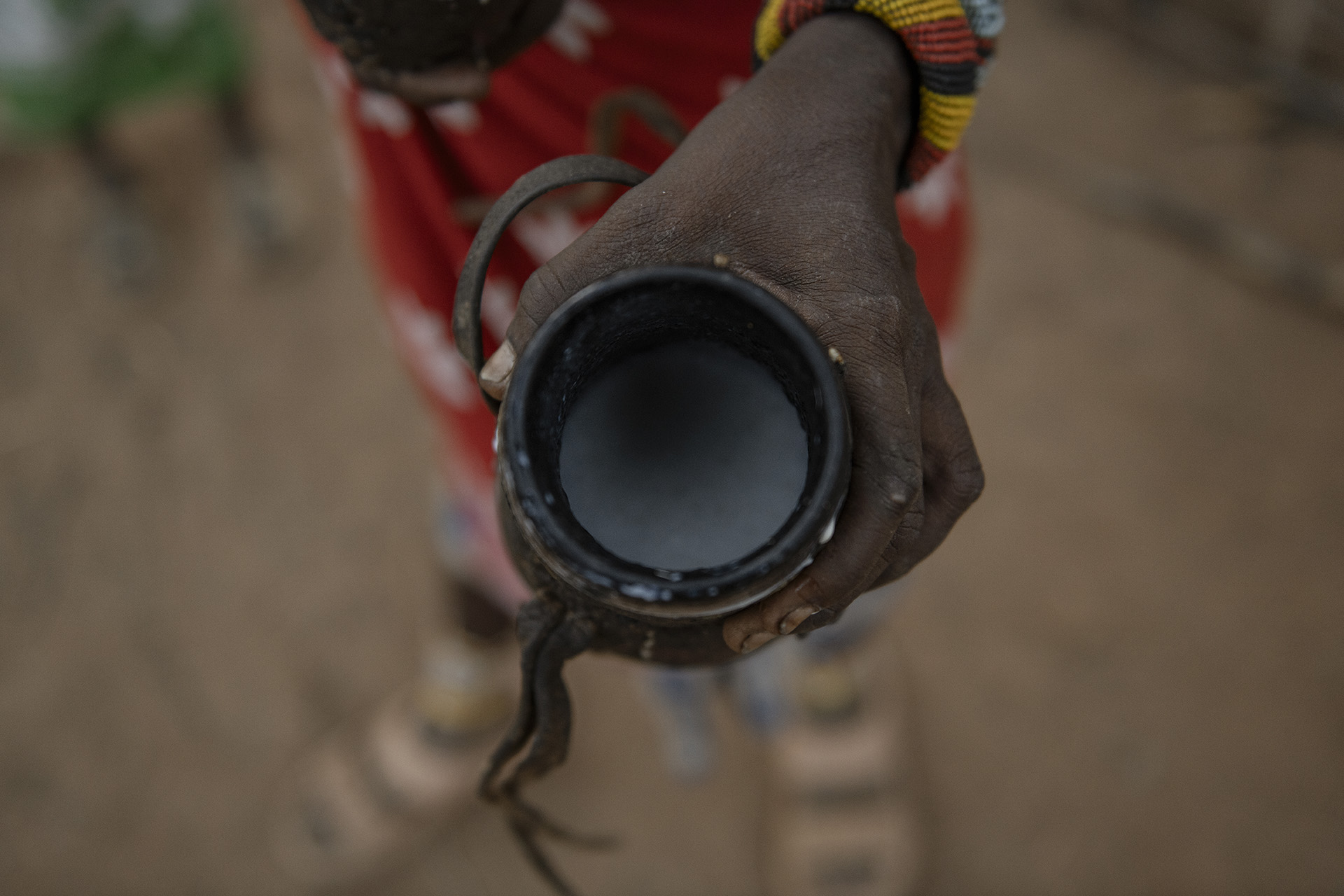
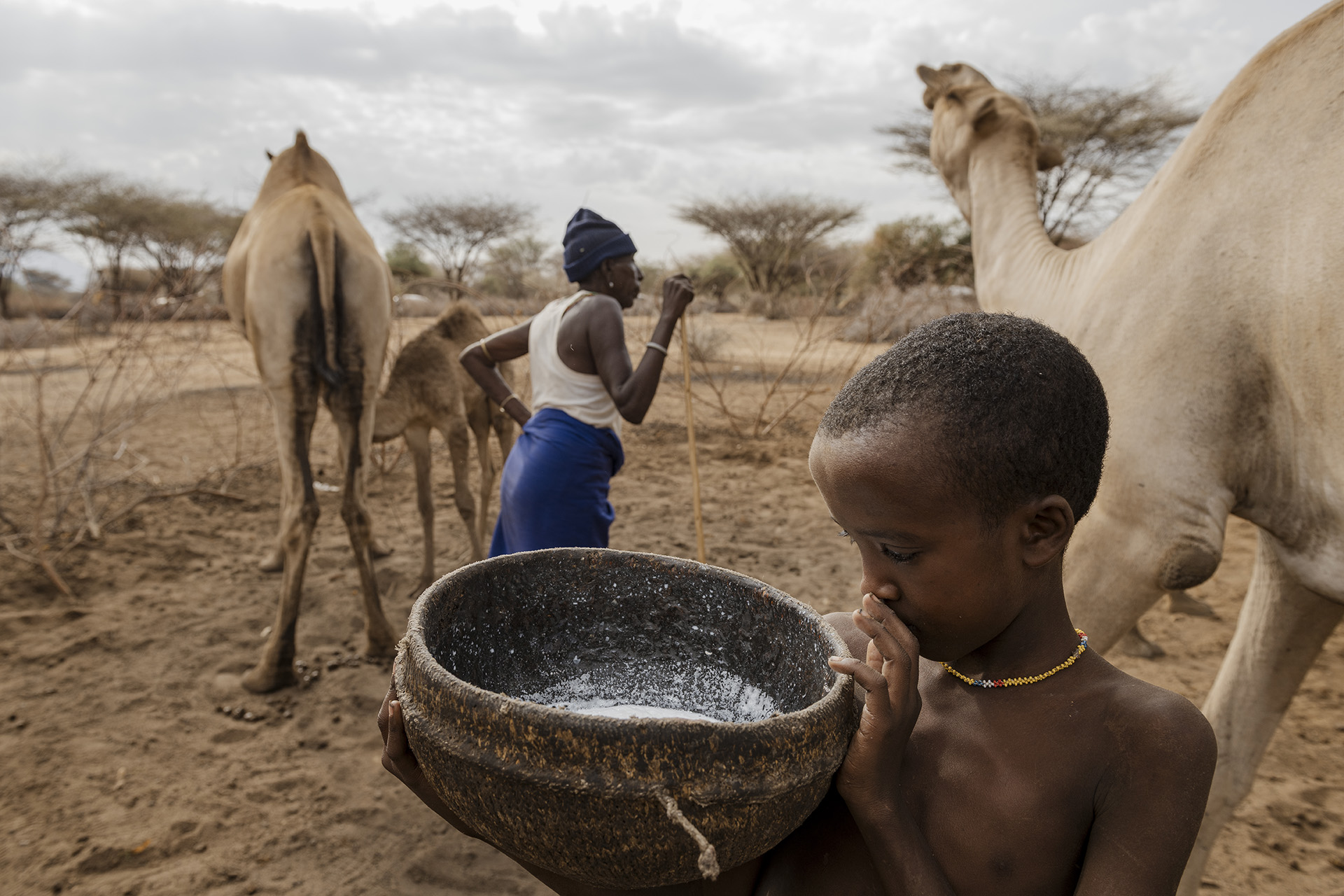
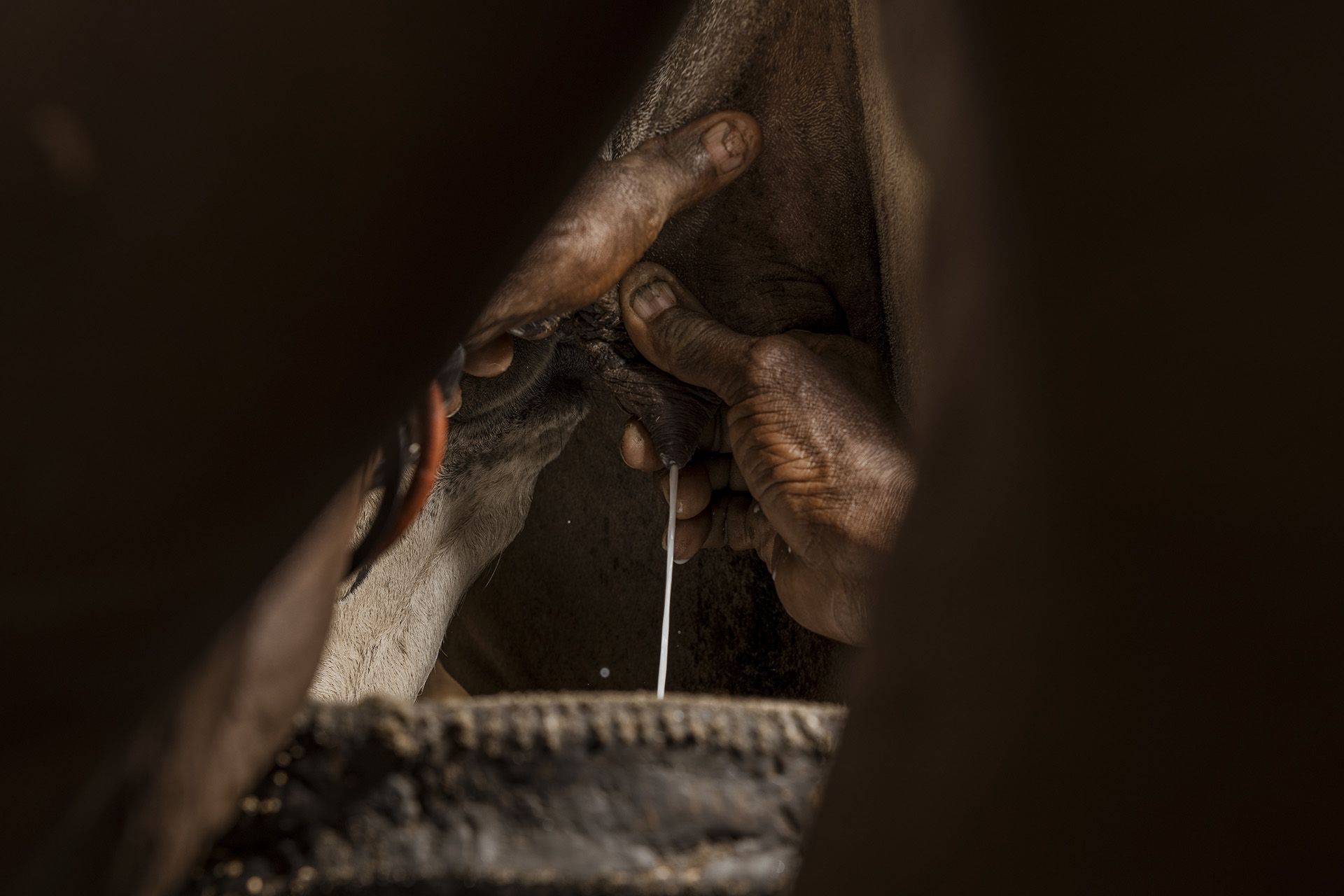
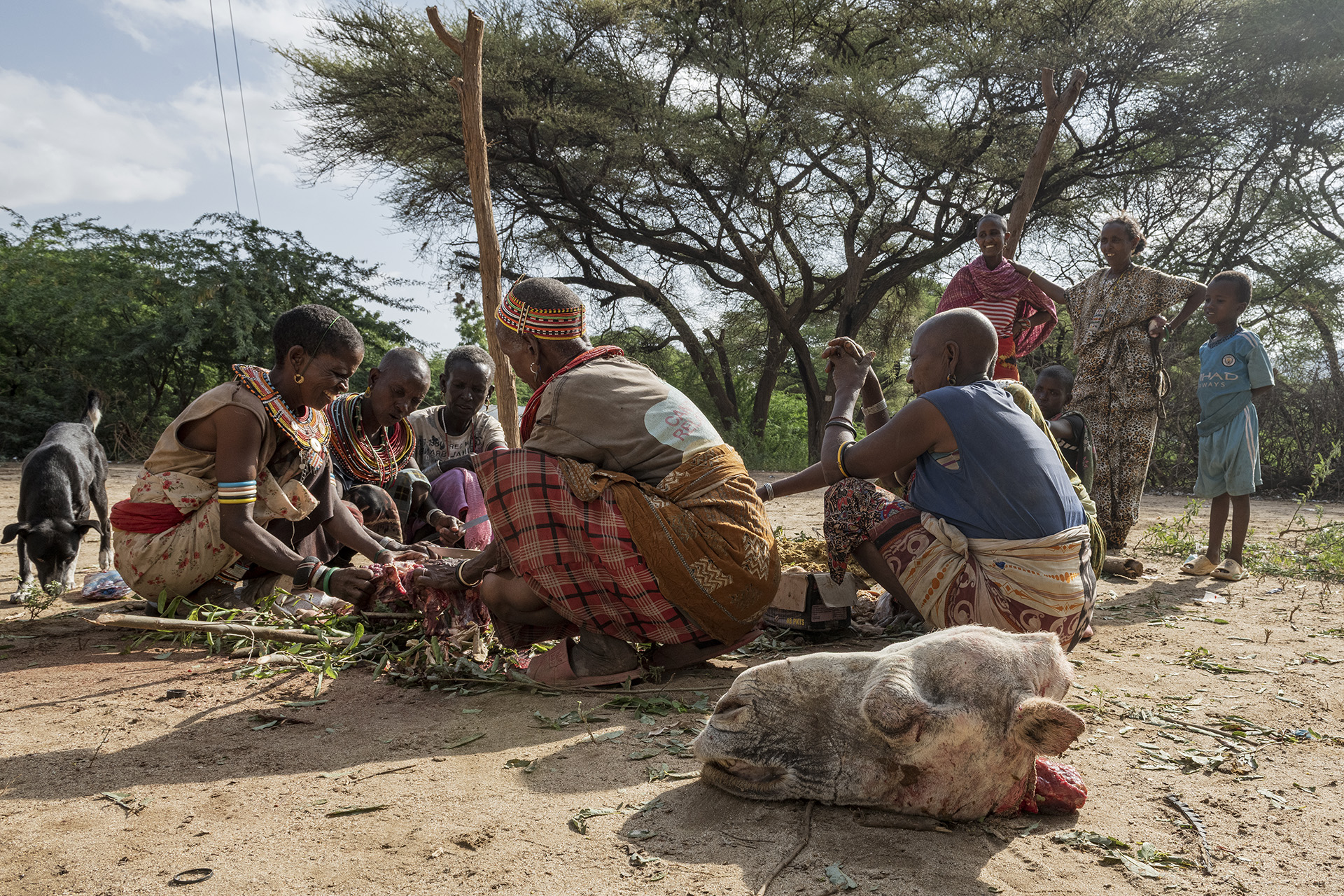
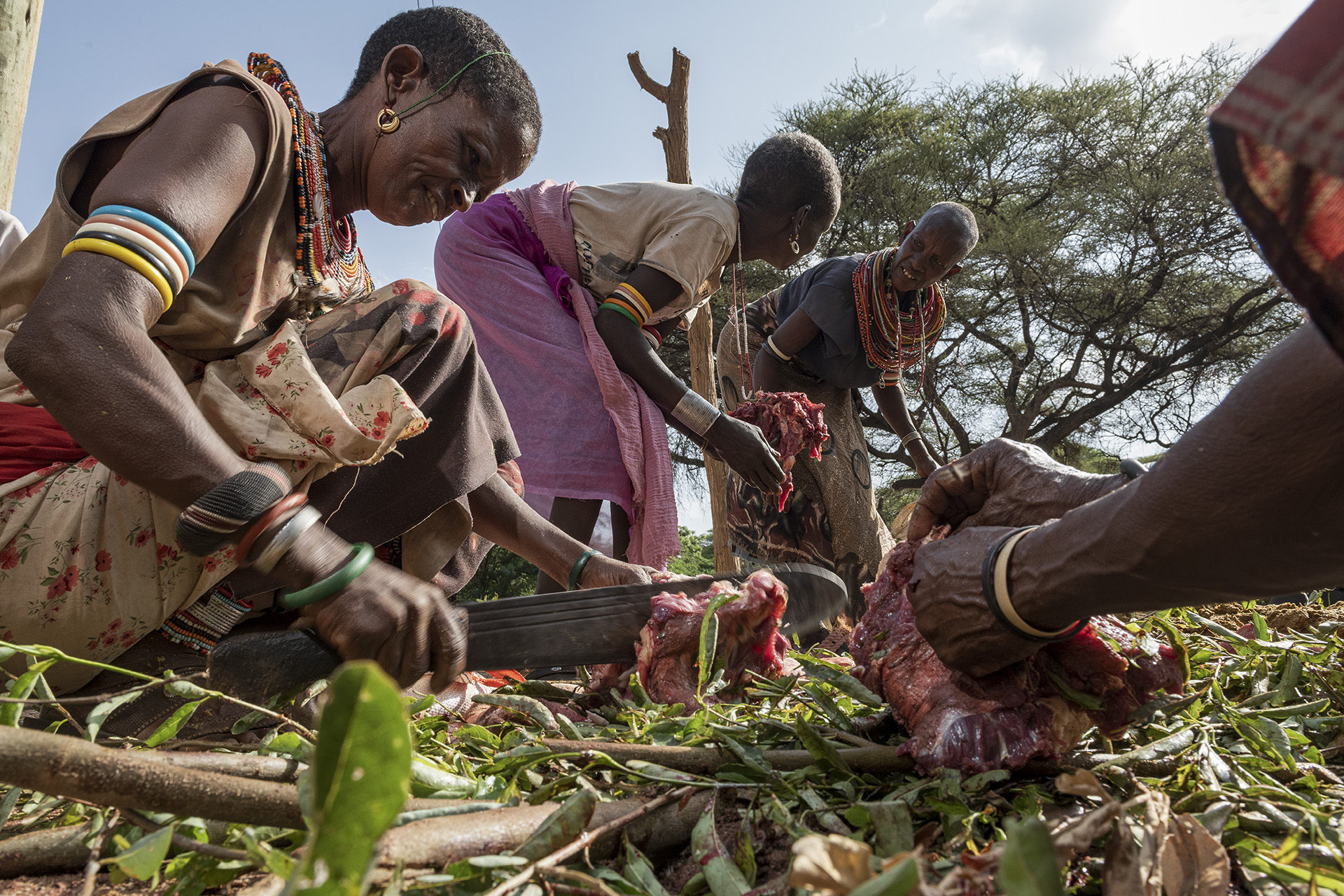
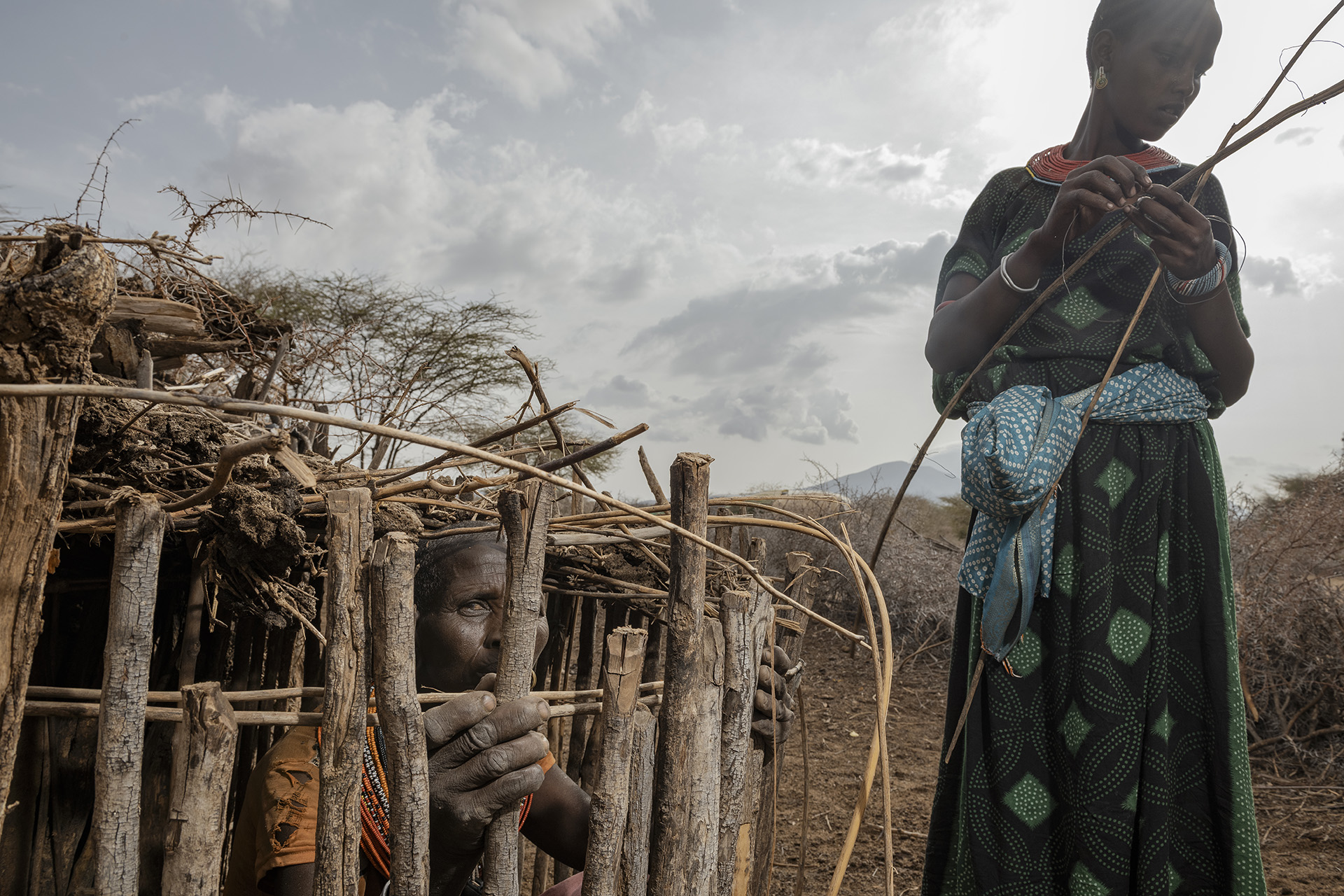
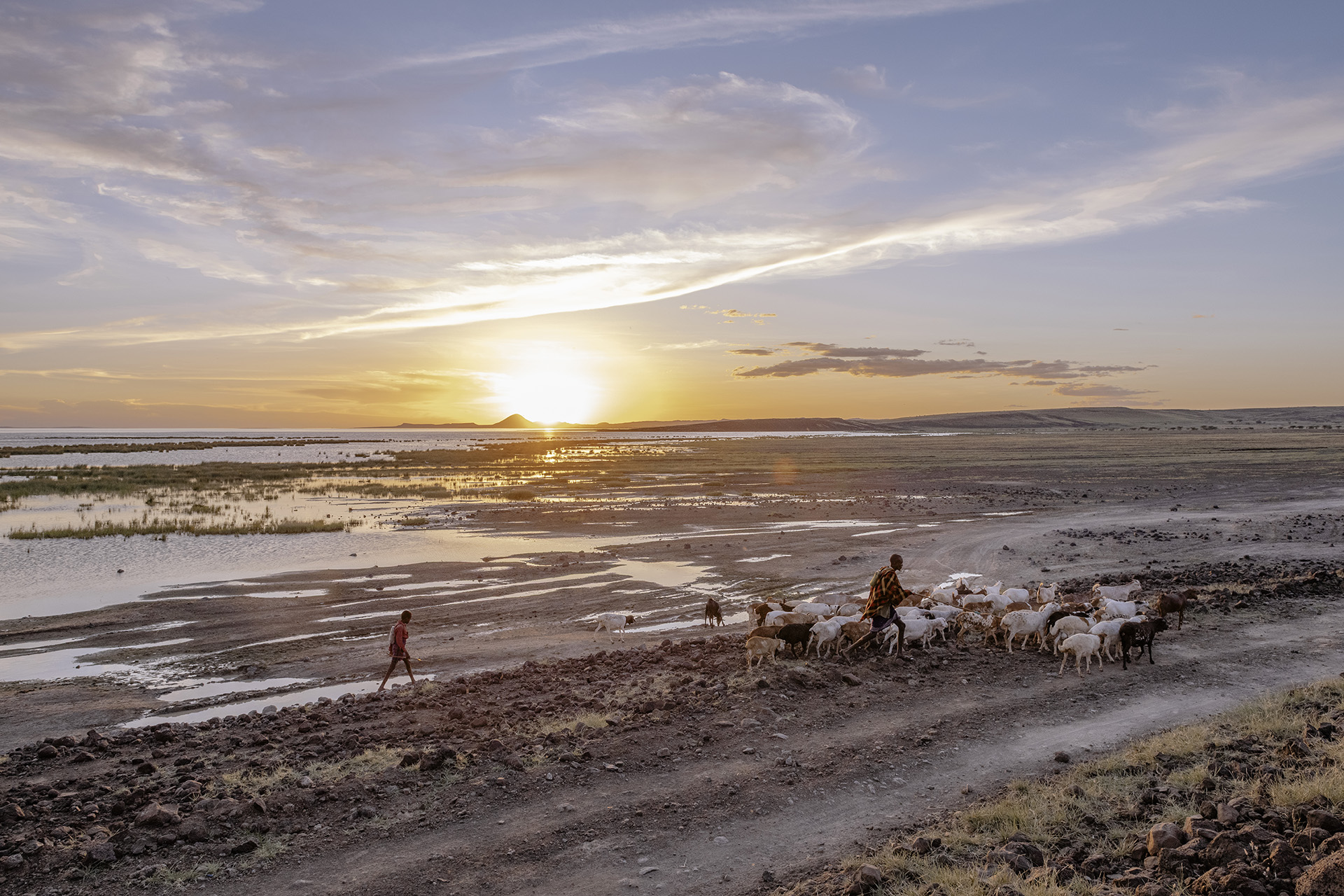
For generations, pastoral communities in northern Kenya learned to survive by reading their environment. They knew how to read the signs announcing the arrival of the rains, assess the quality of grazing land and decide when it was time to move their herds.
This knowledge was not a matter of intuition. Clouds, winds, the behaviour of birds and animals formed a complex language that pastoral communities had learned to decipher.
For centuries, this intimate reading of the land enabled these communities to adapt to one of the most challenging environments in East Africa. In these vast landscapes, survival depended less on mastering nature than on the ability to observe it, adapt to it and move with its rhythms. But those rhythms are changing.
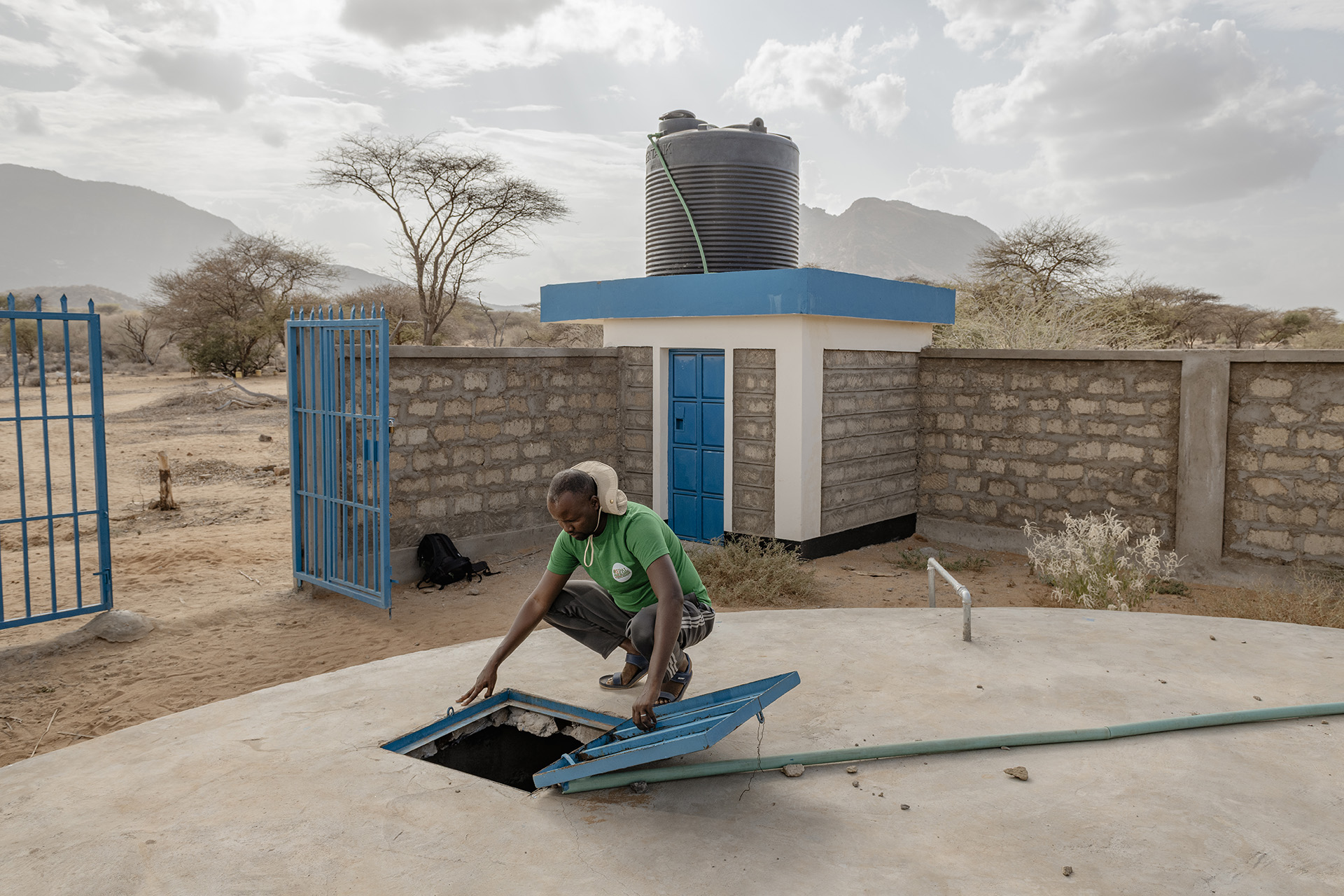
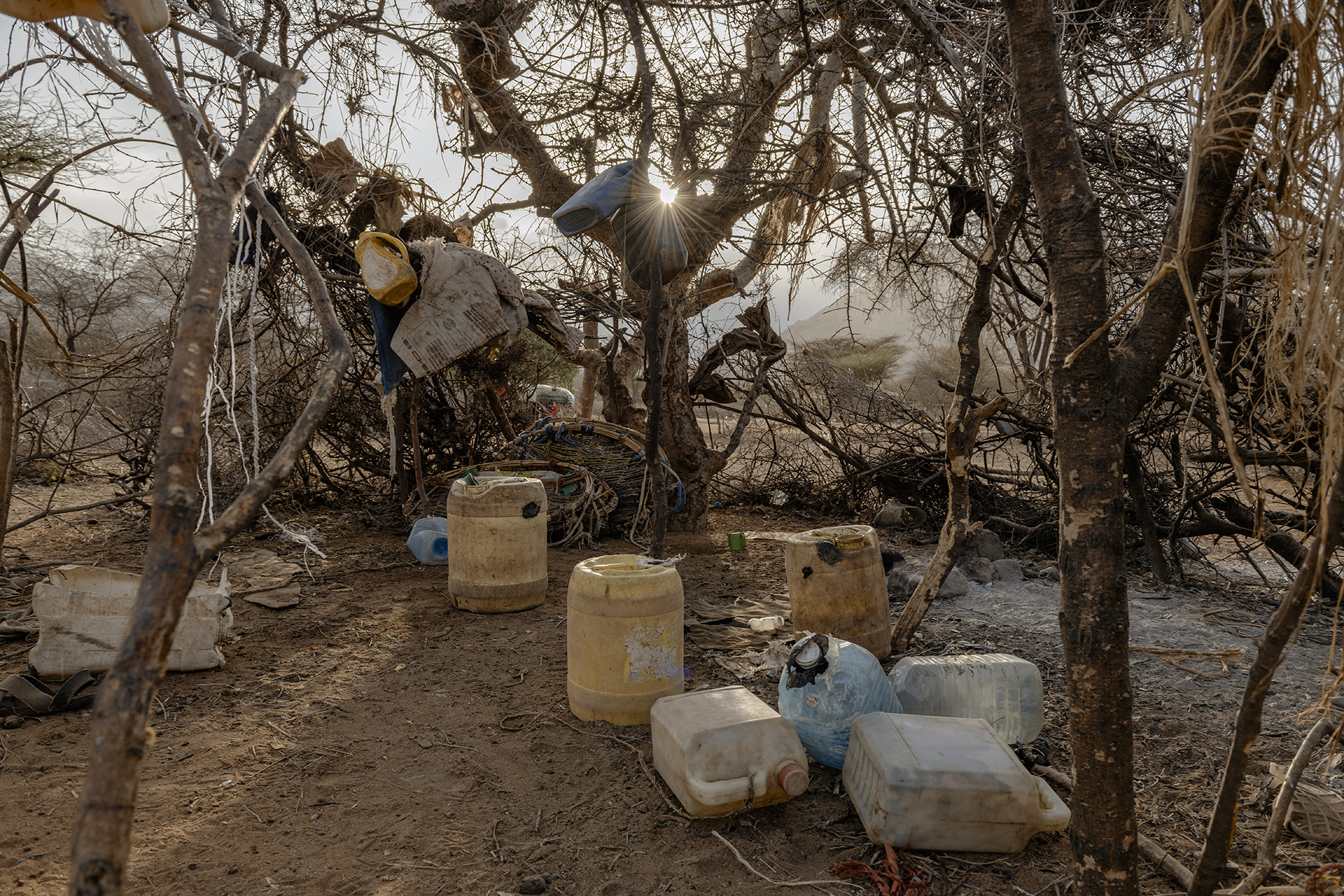
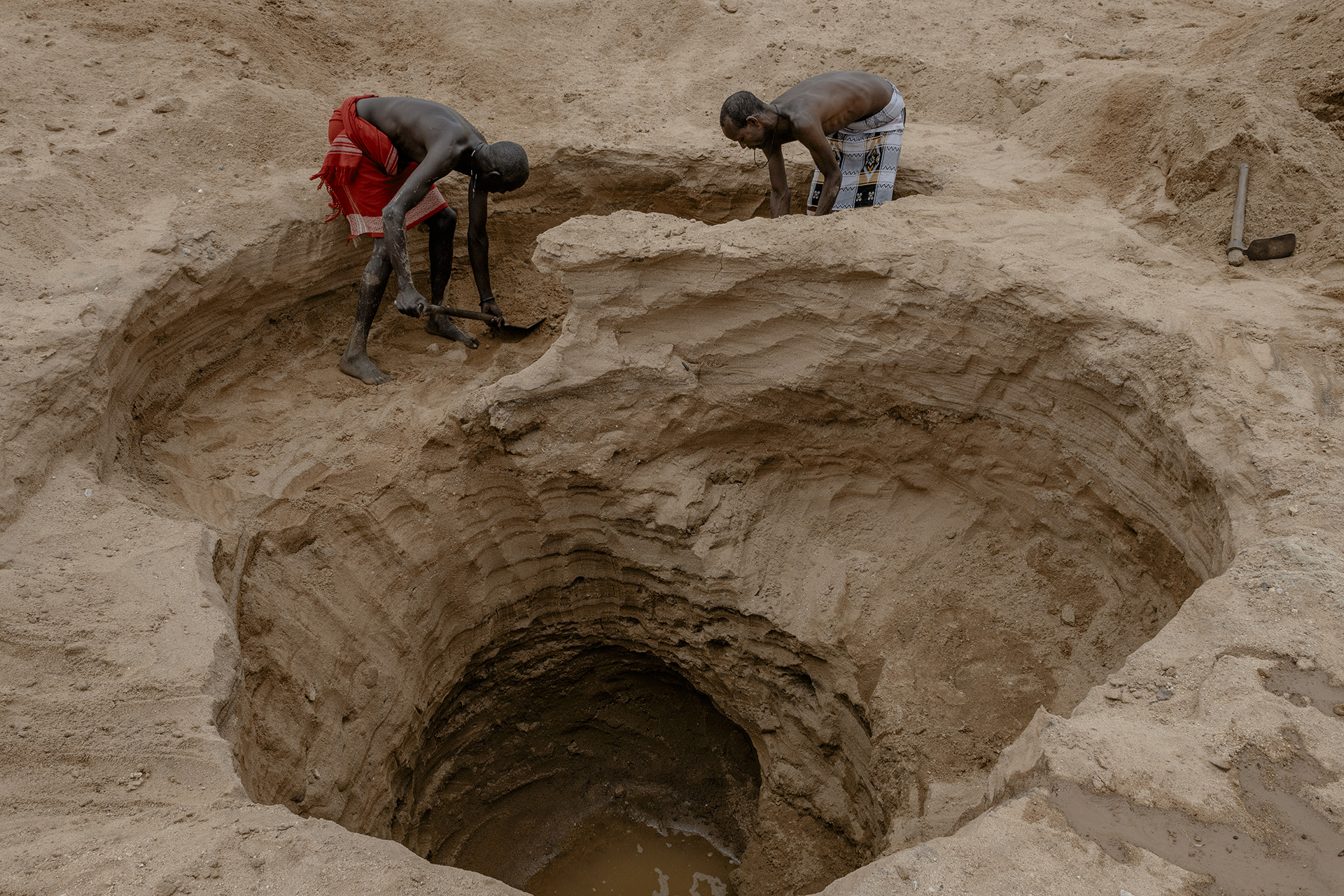
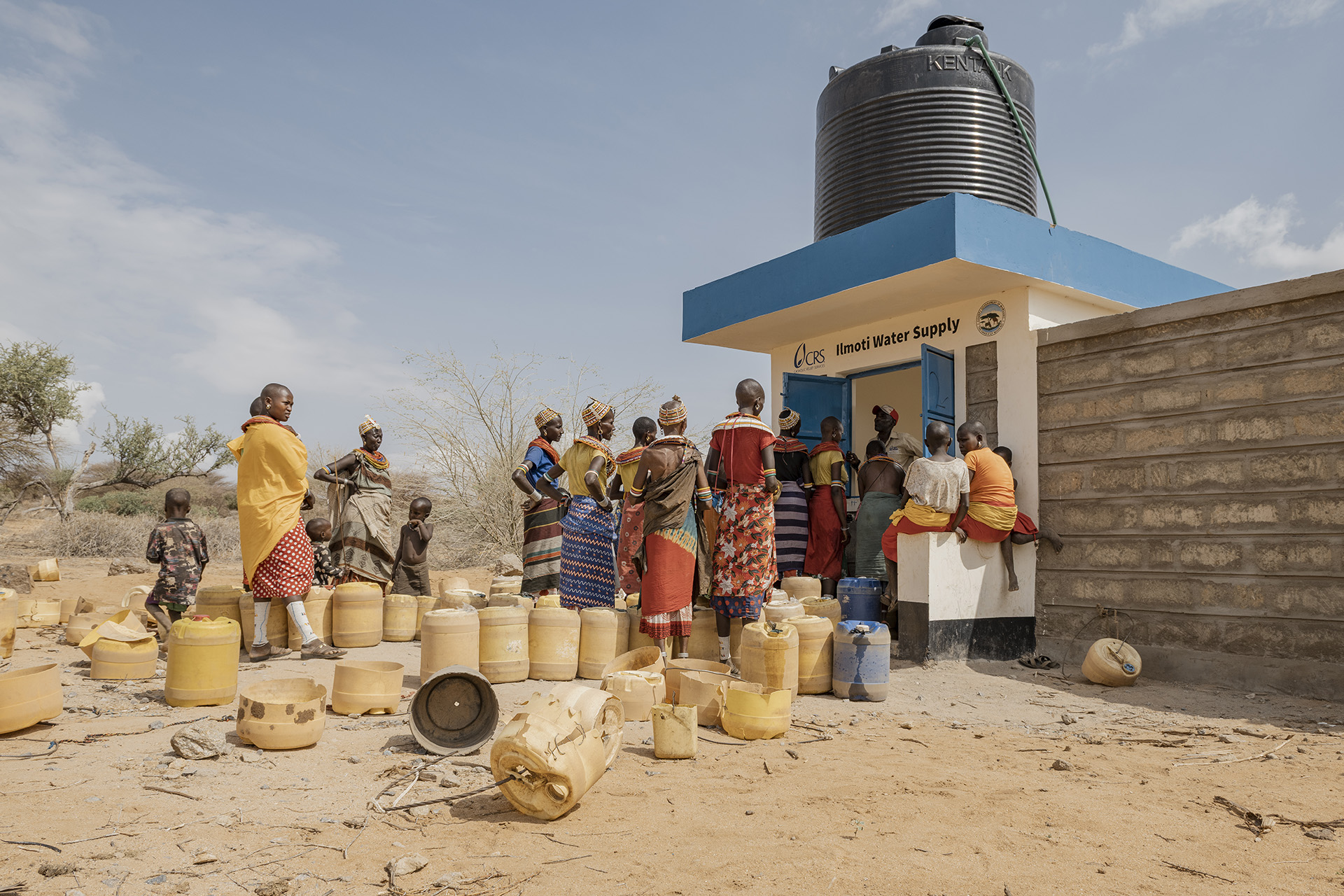
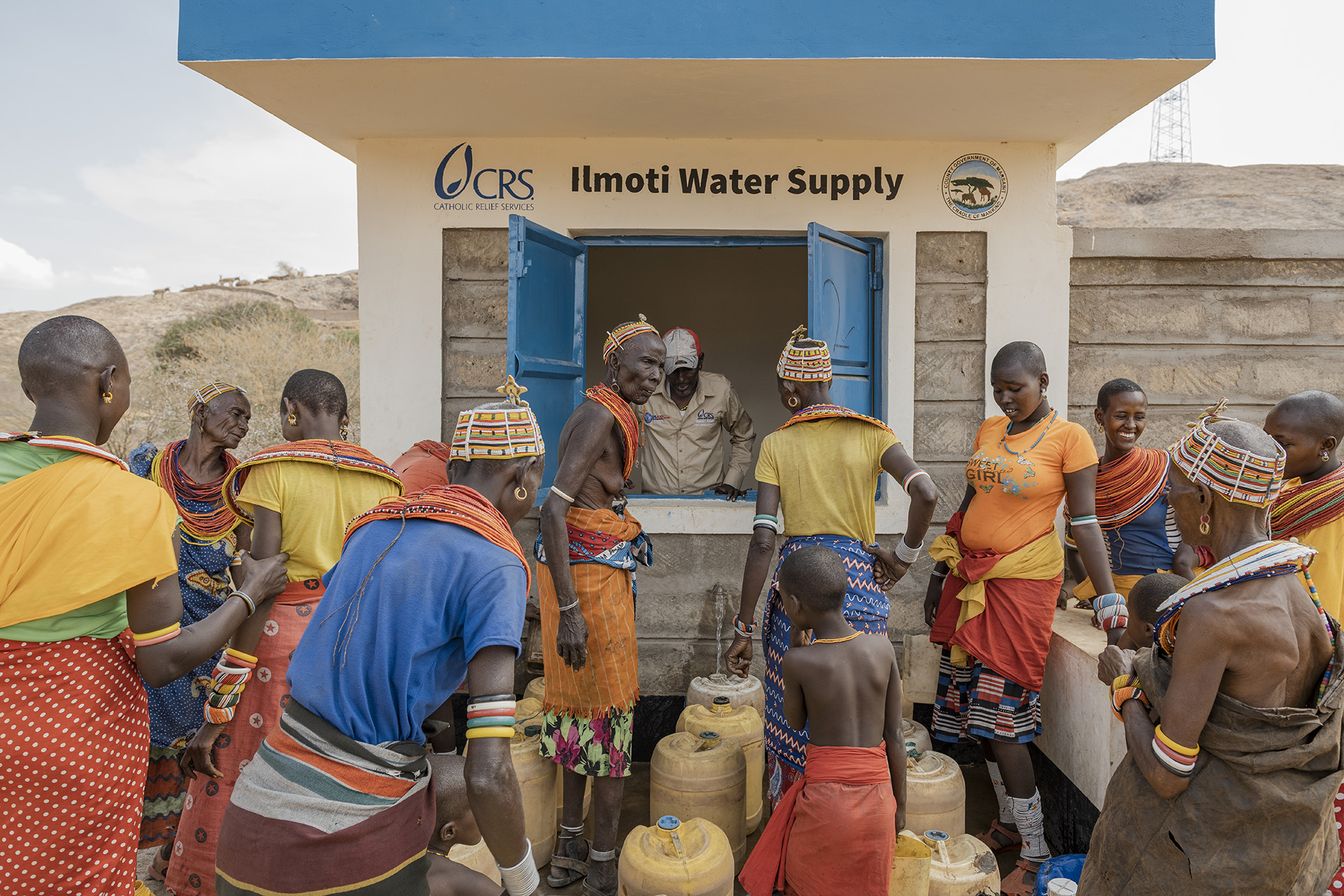
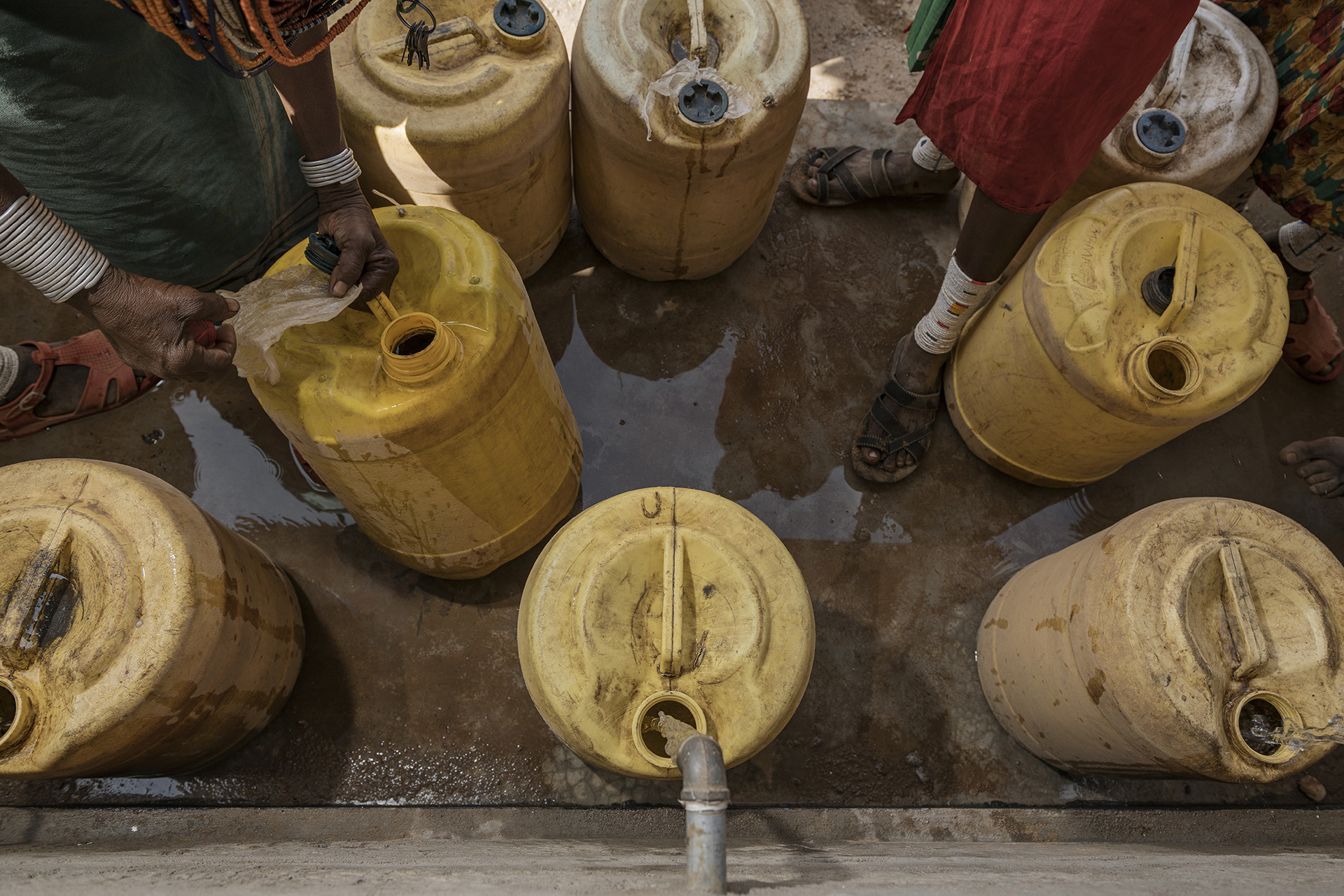
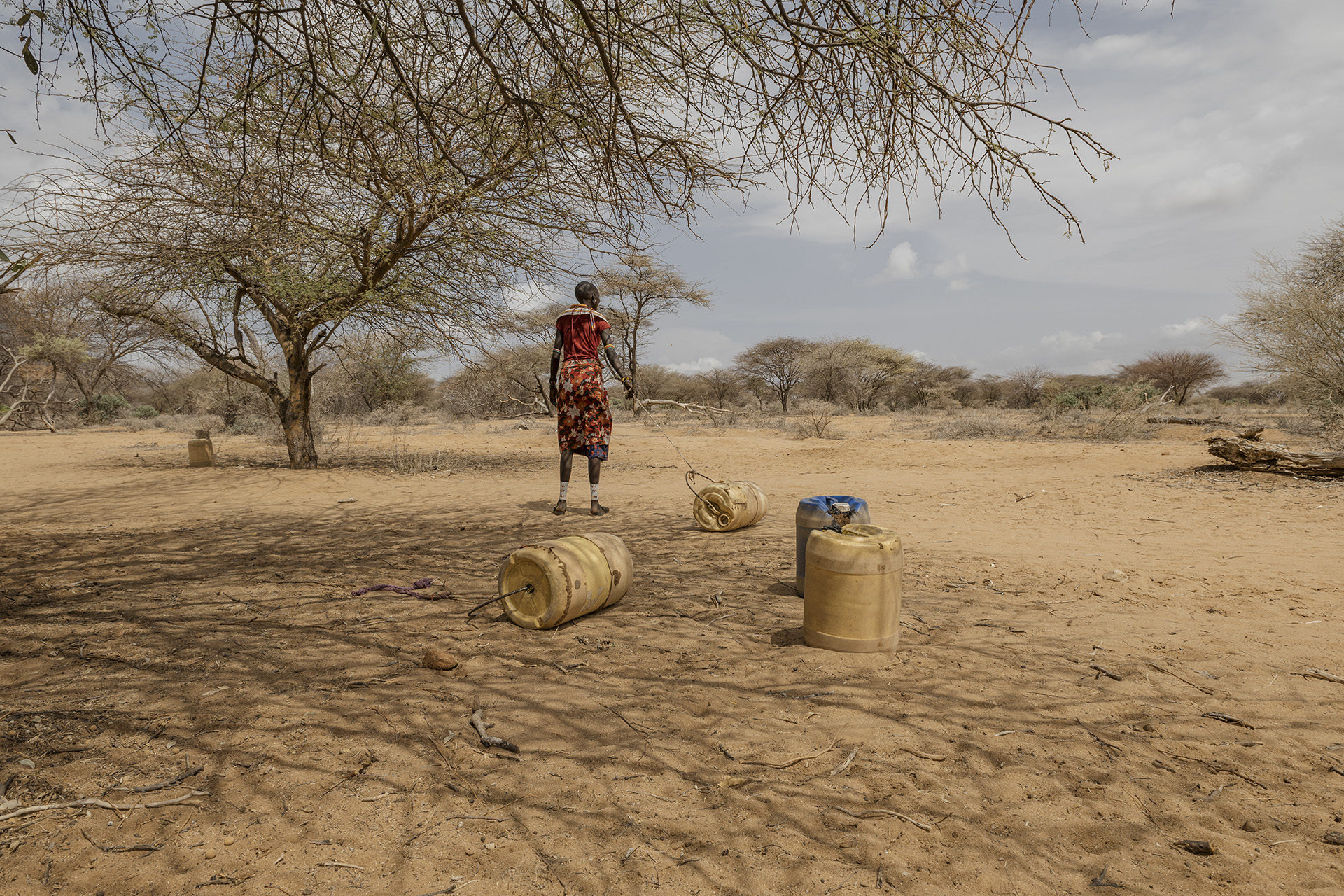
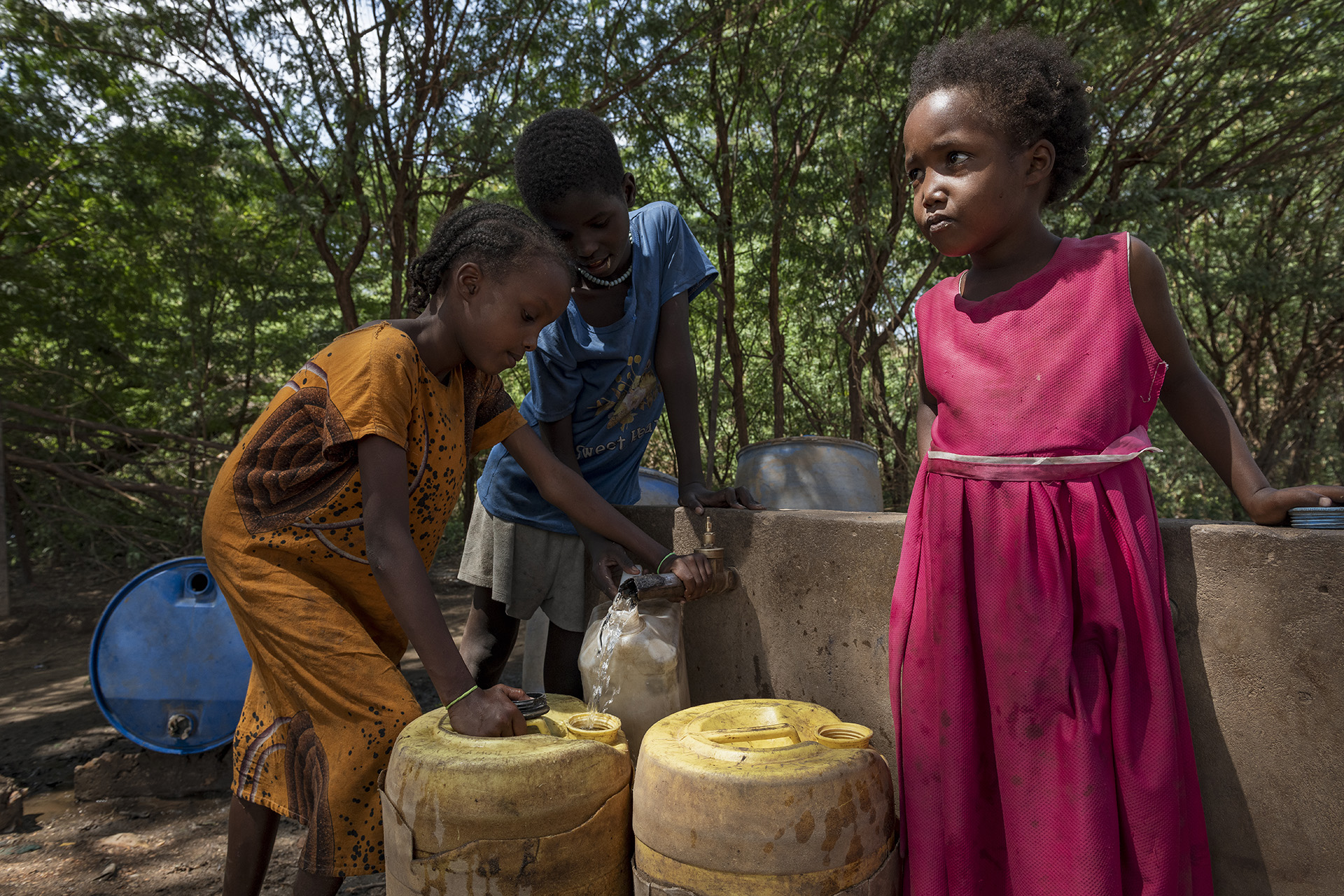
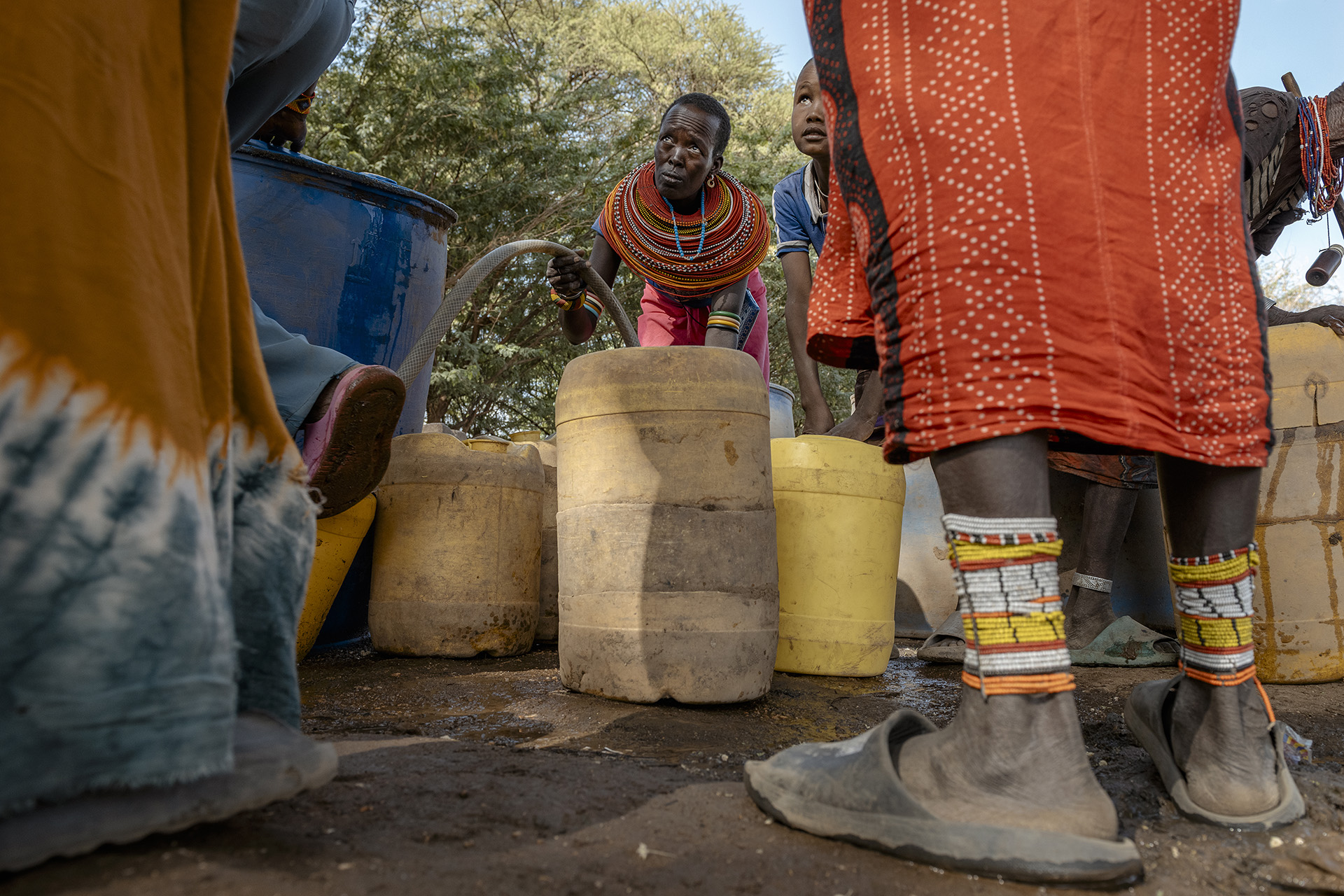
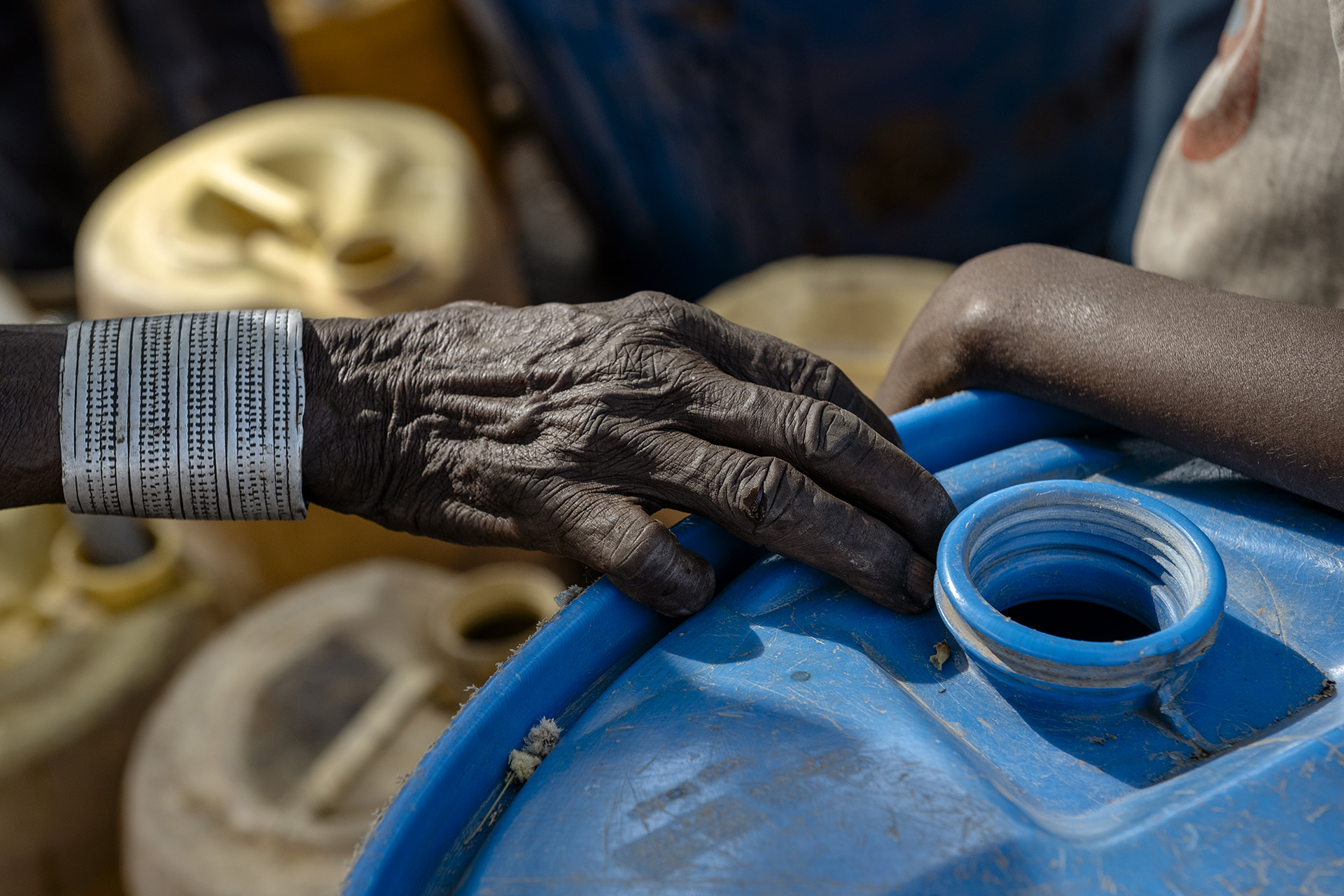
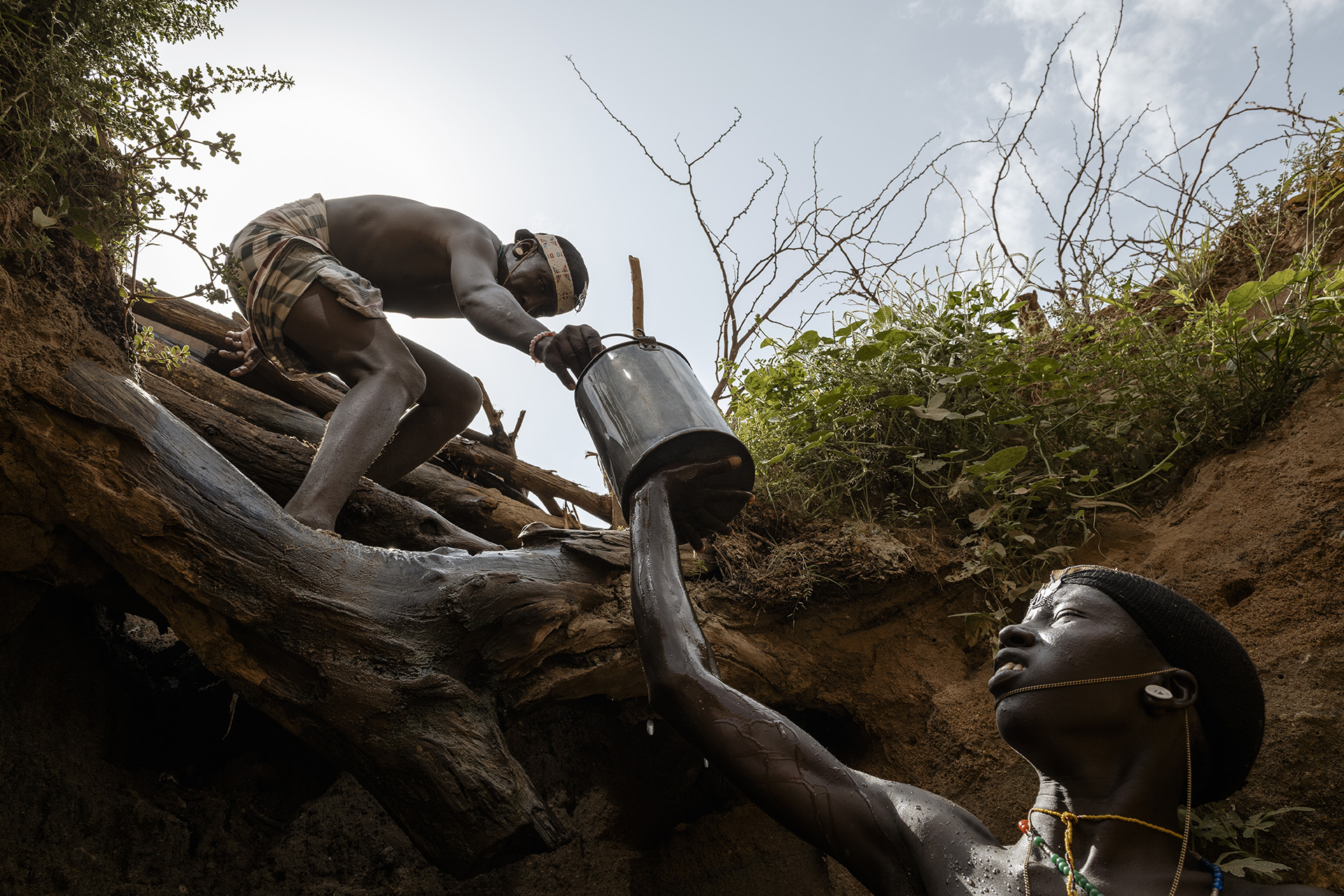
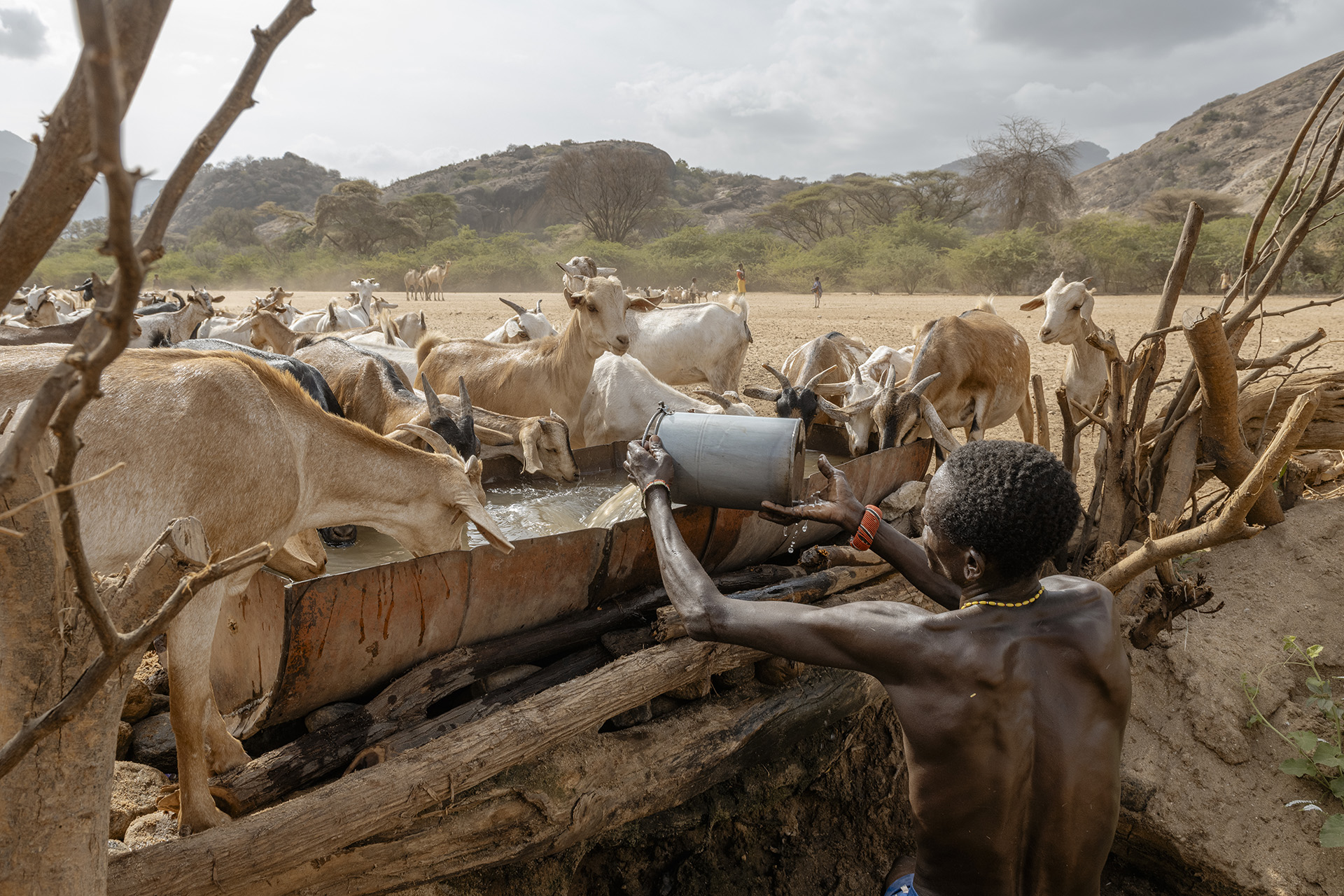
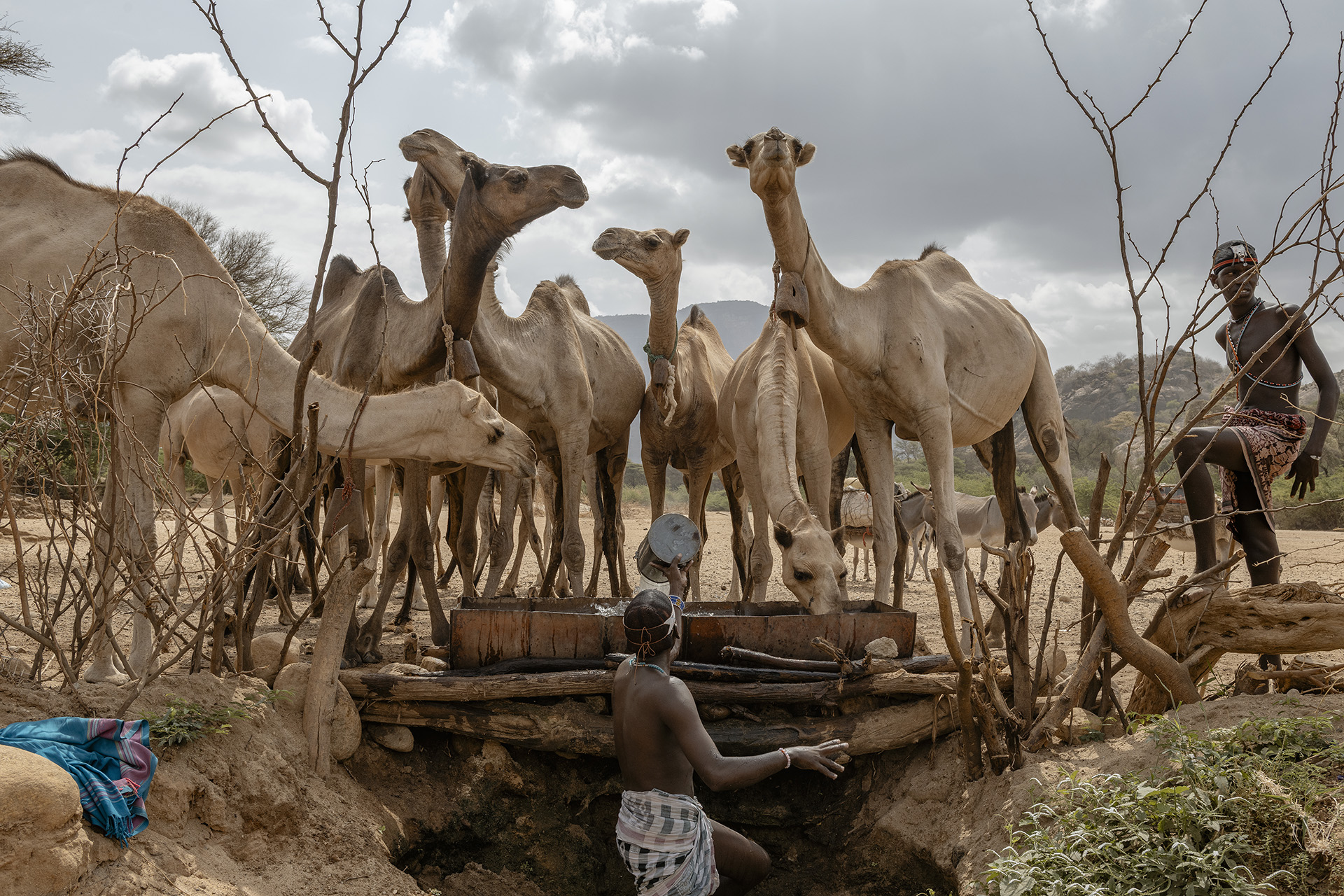
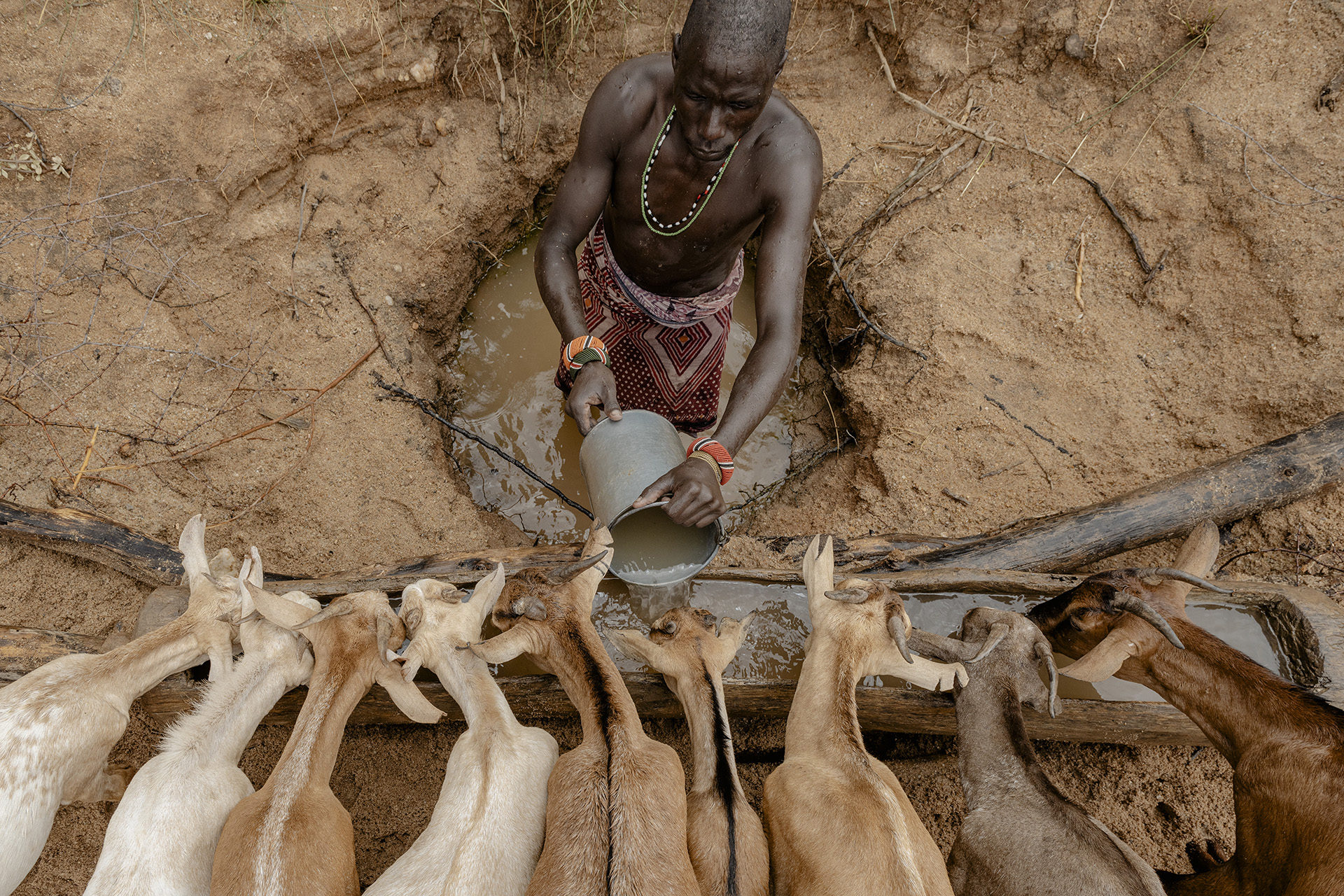
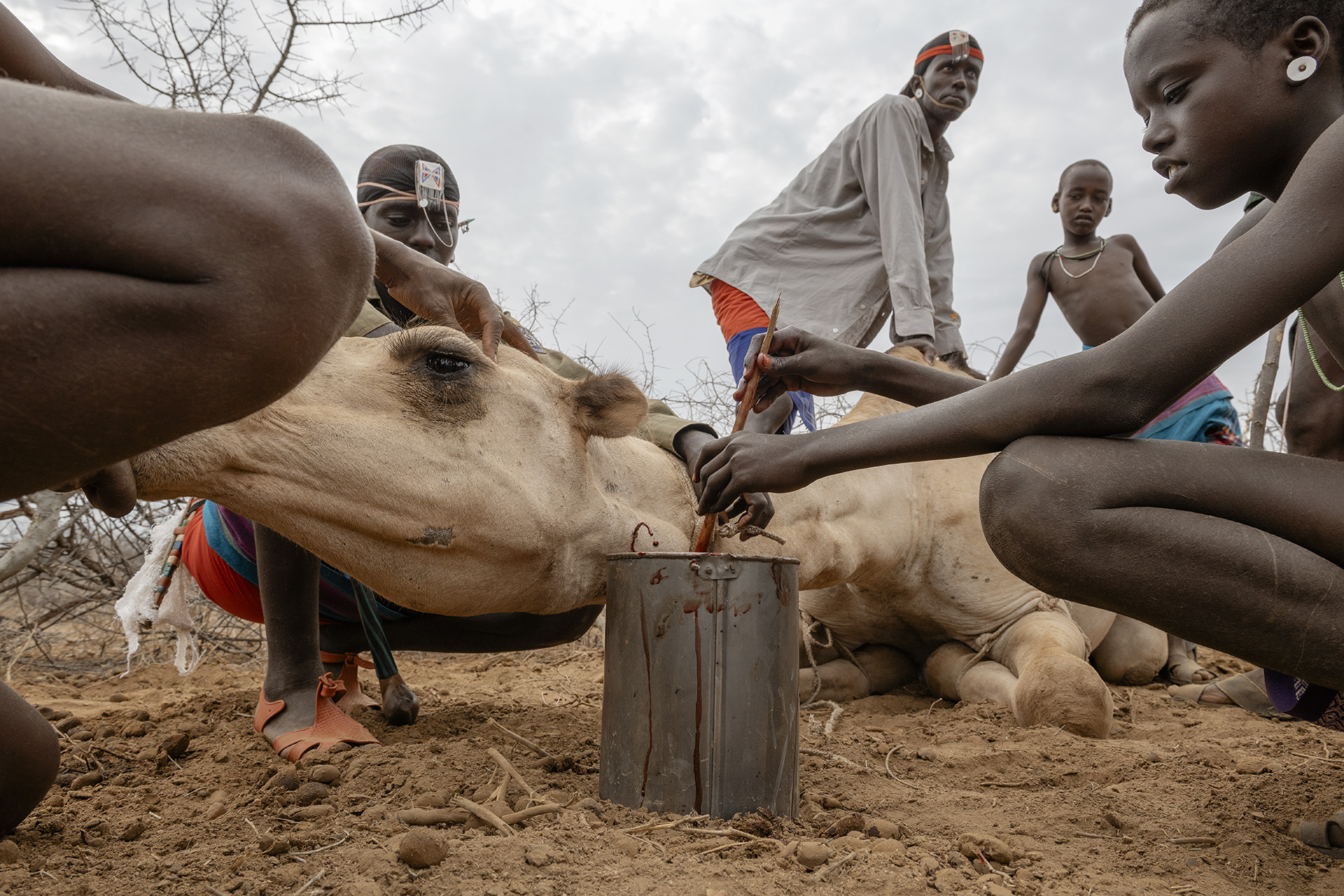
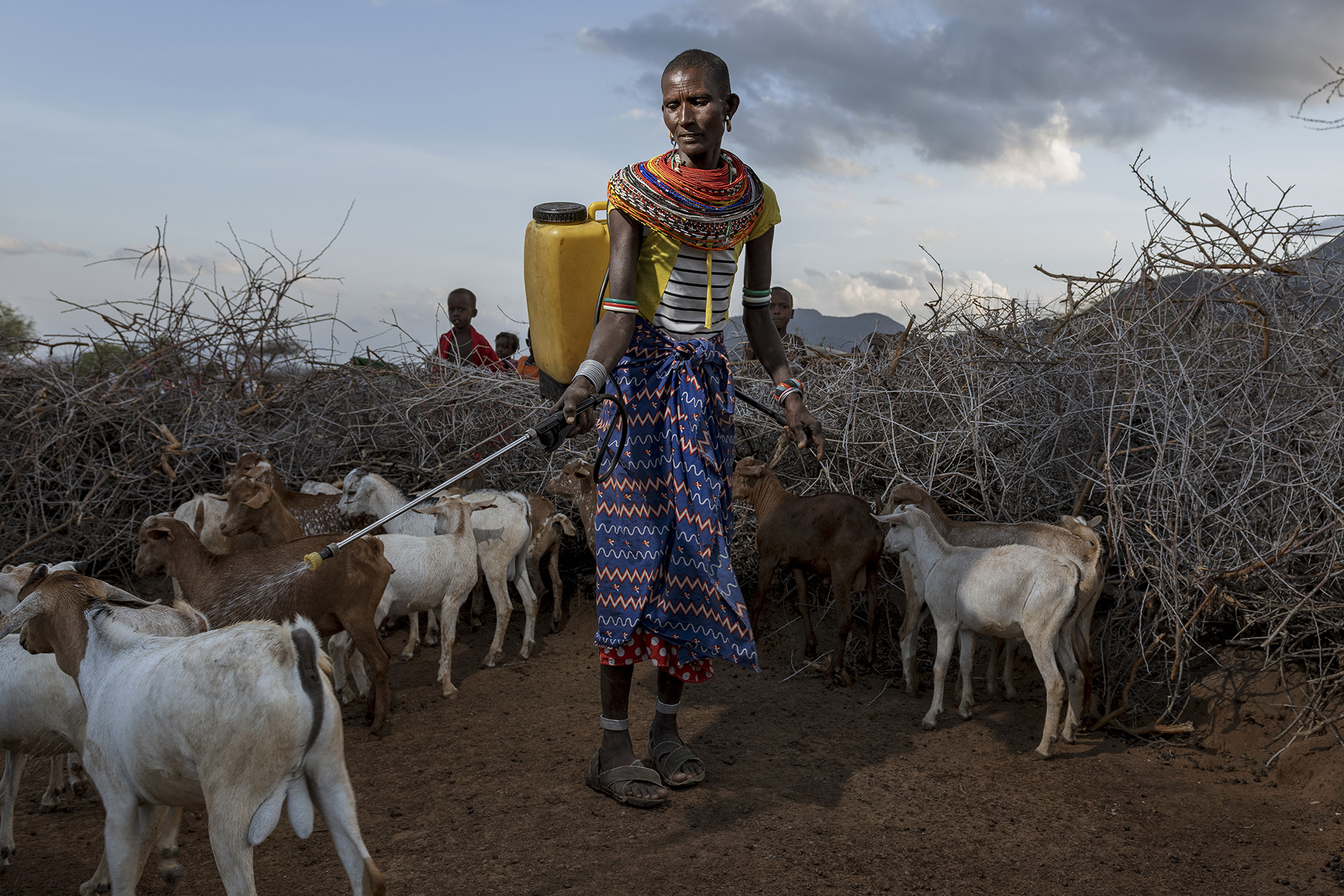
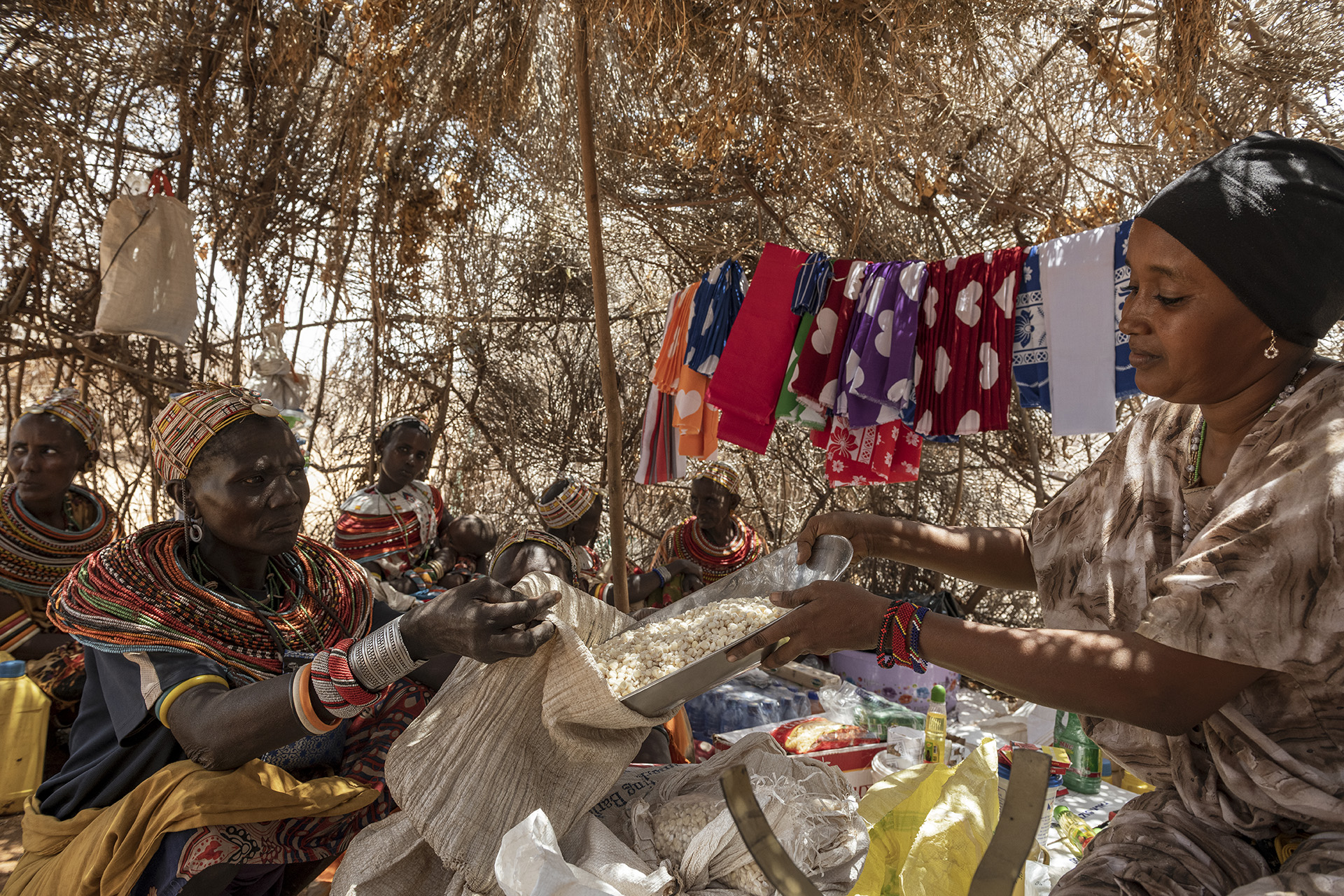
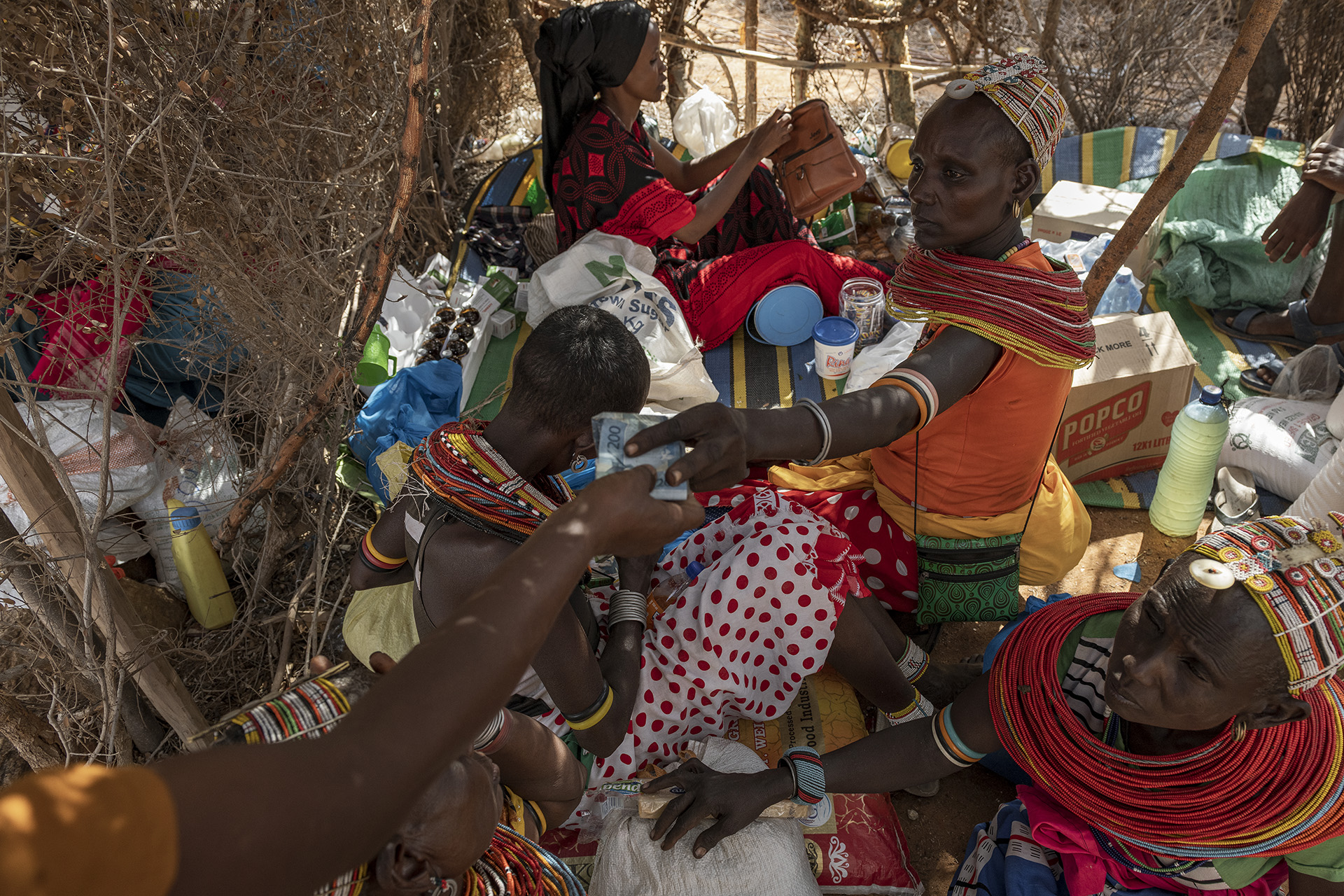
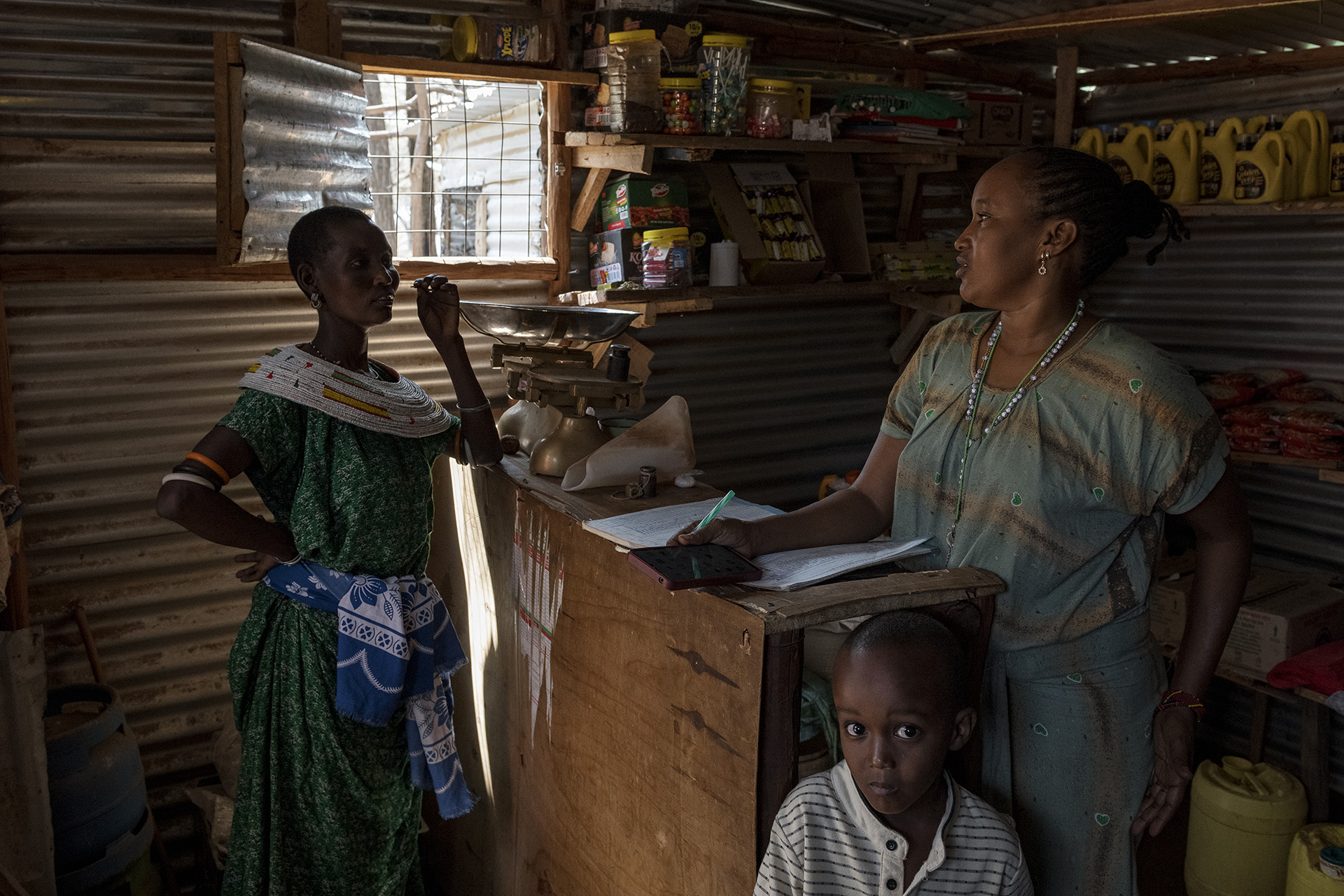
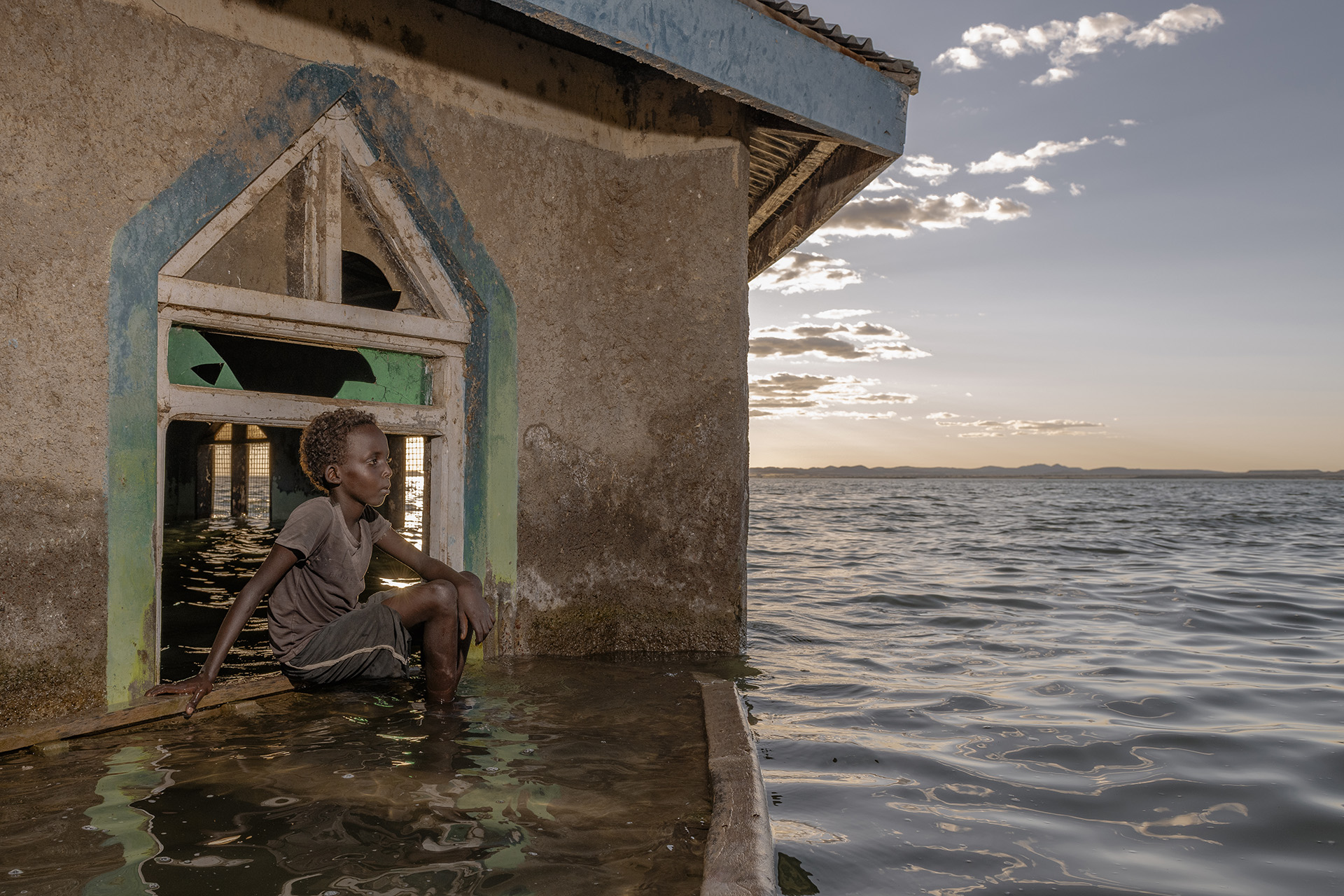
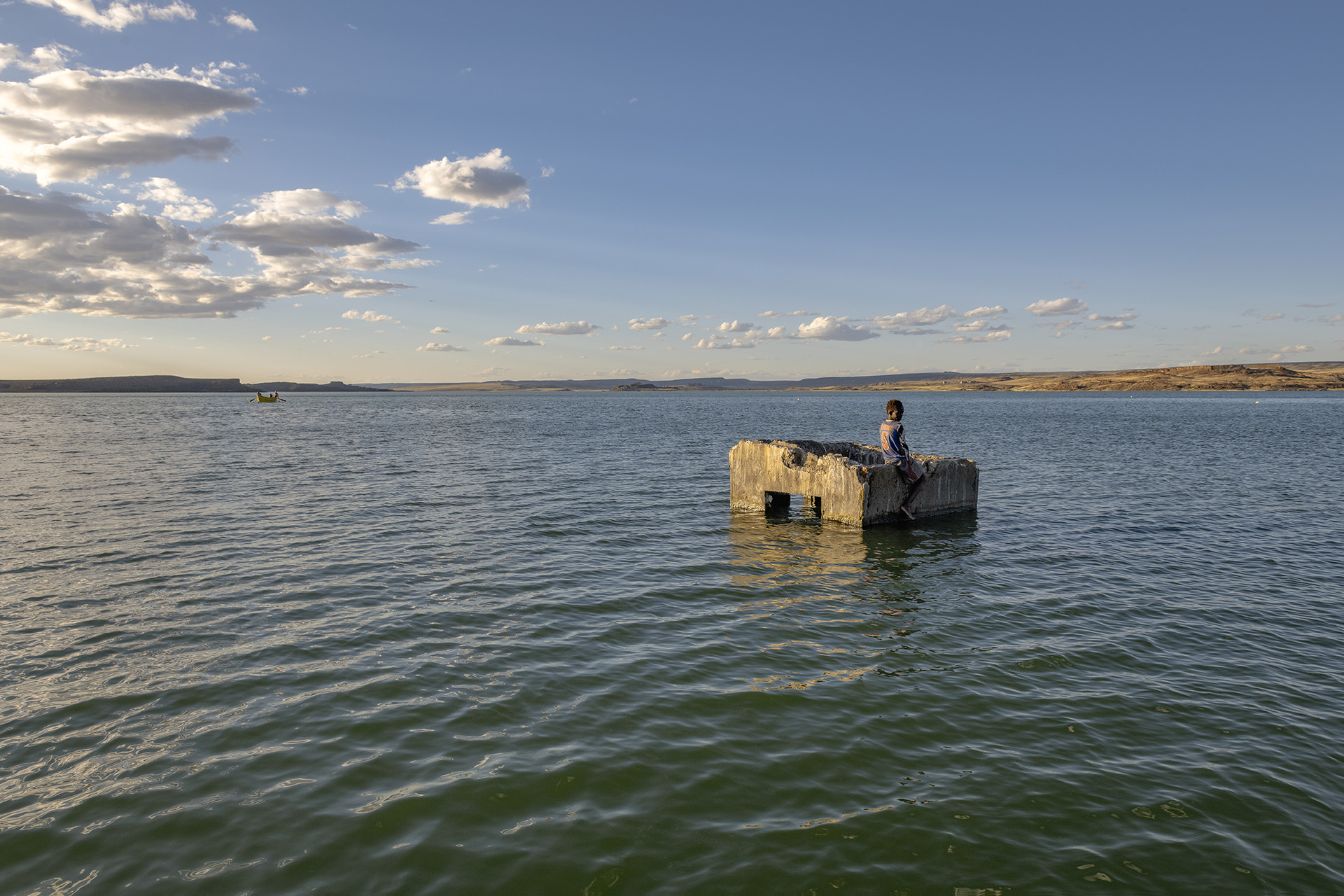
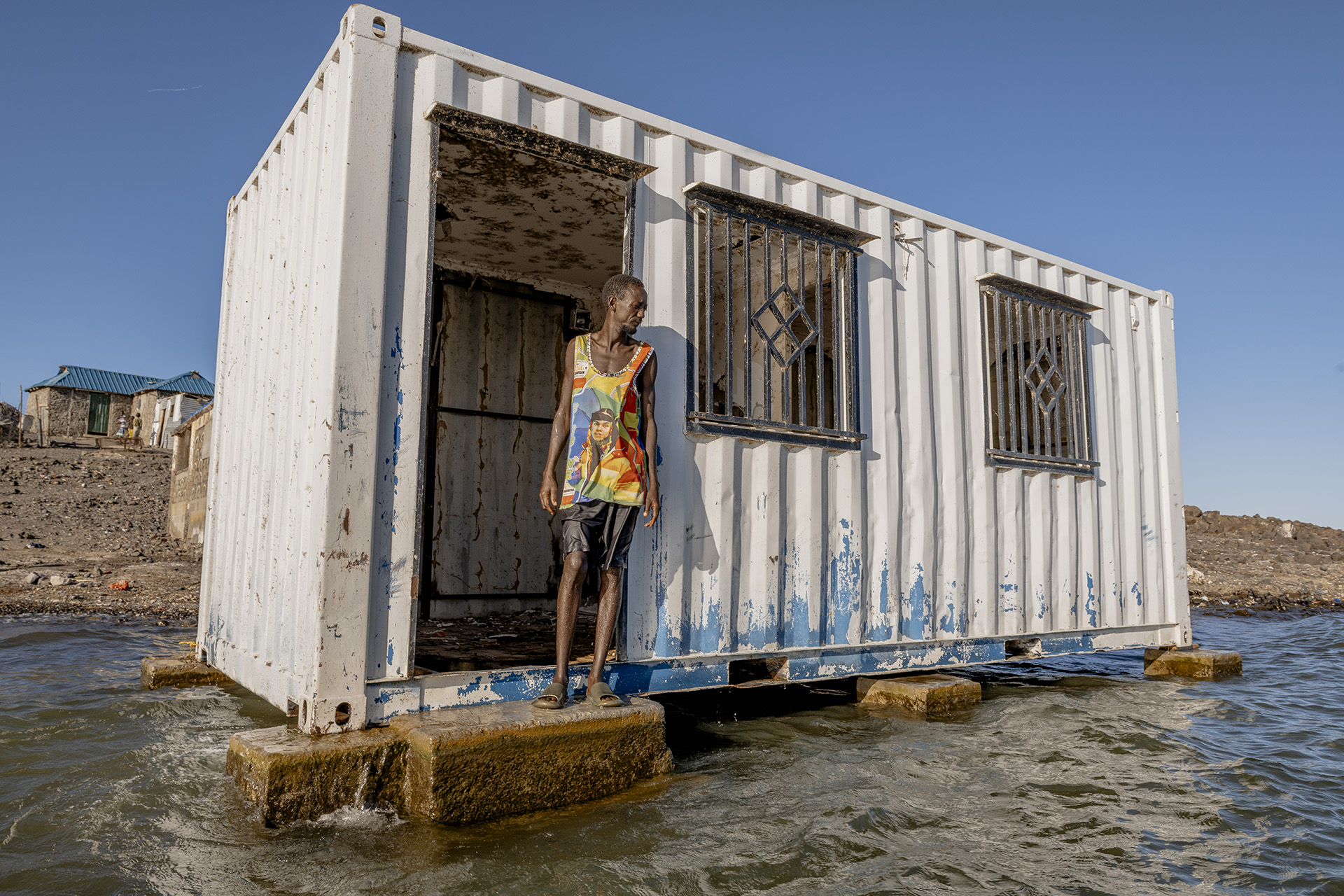
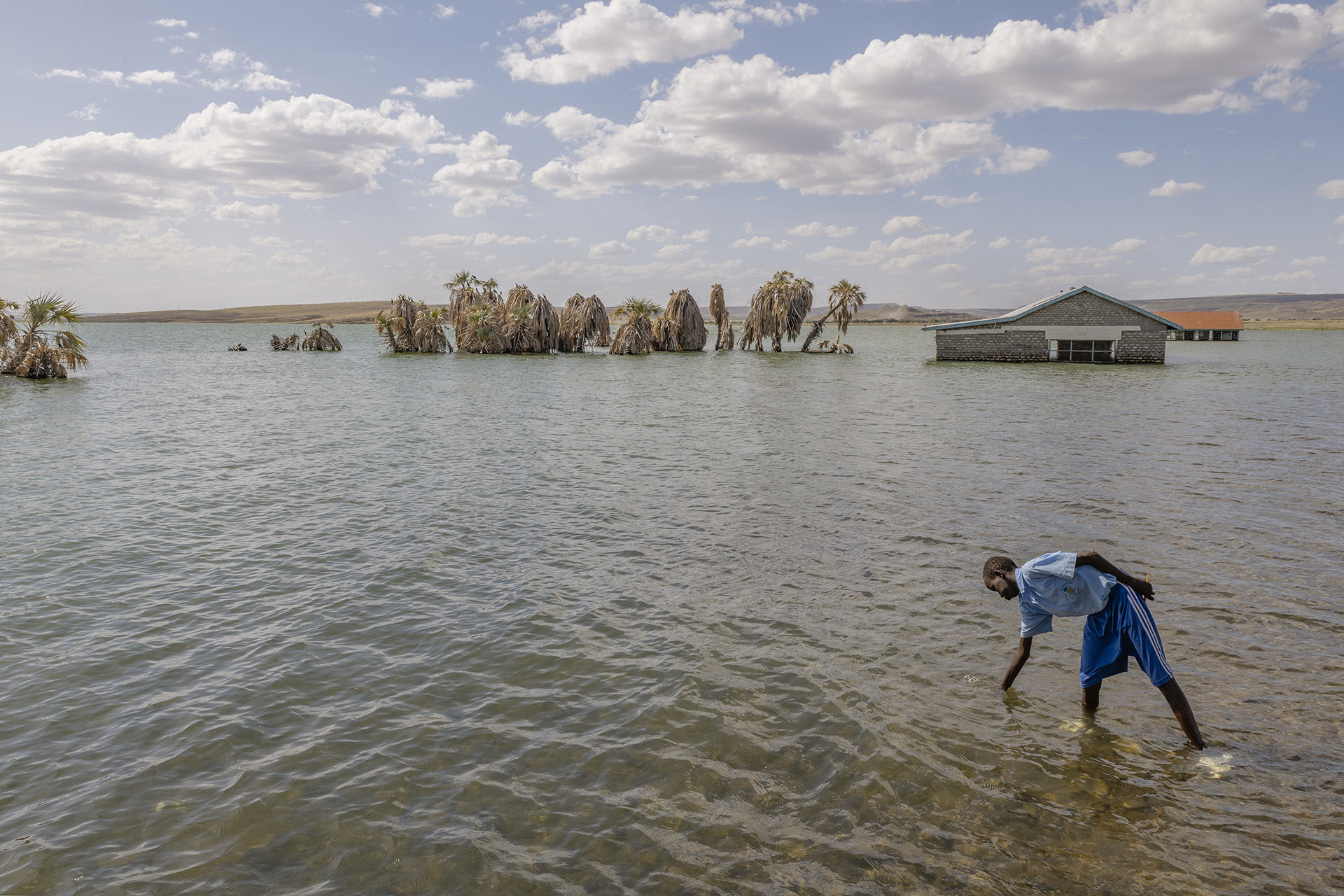
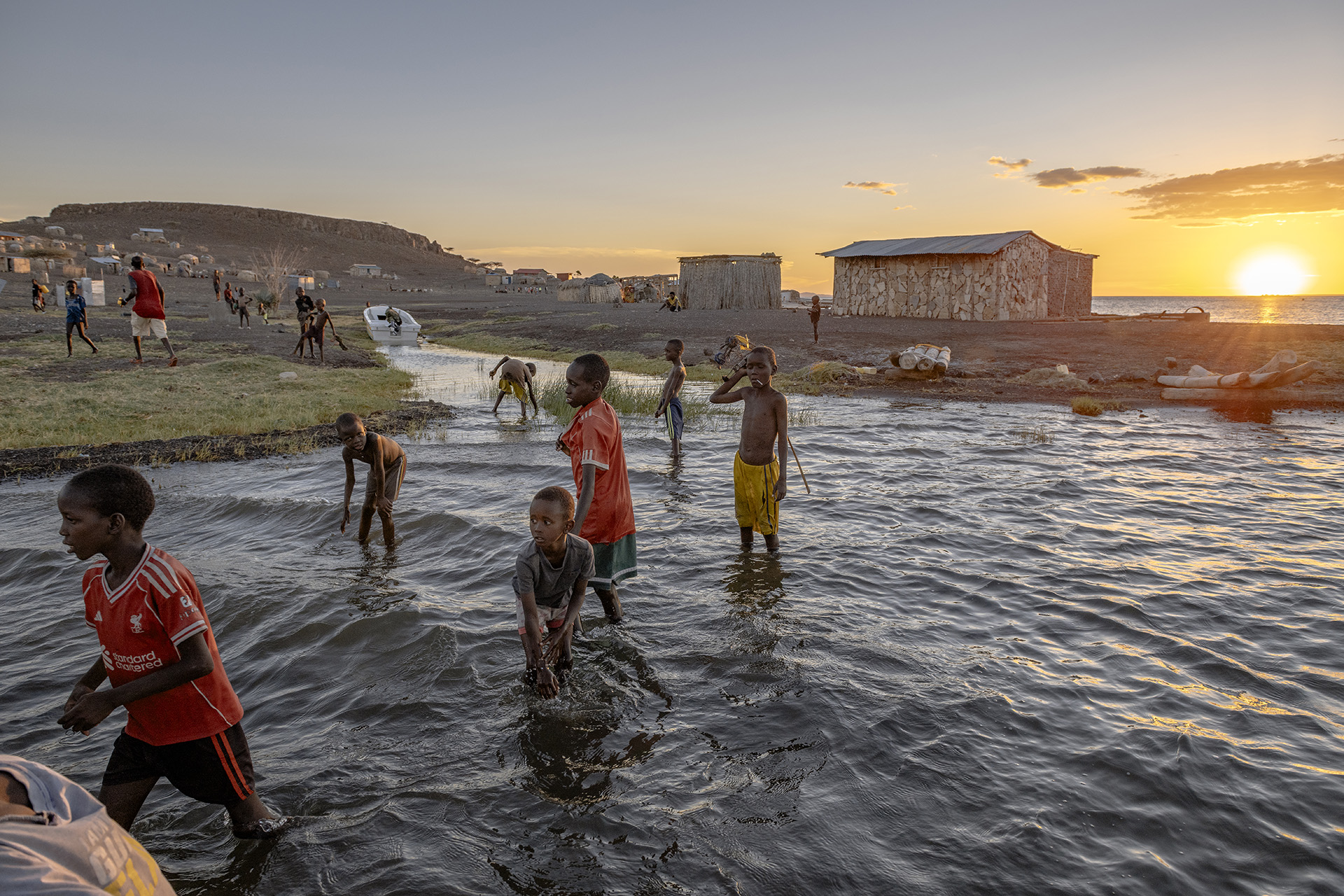
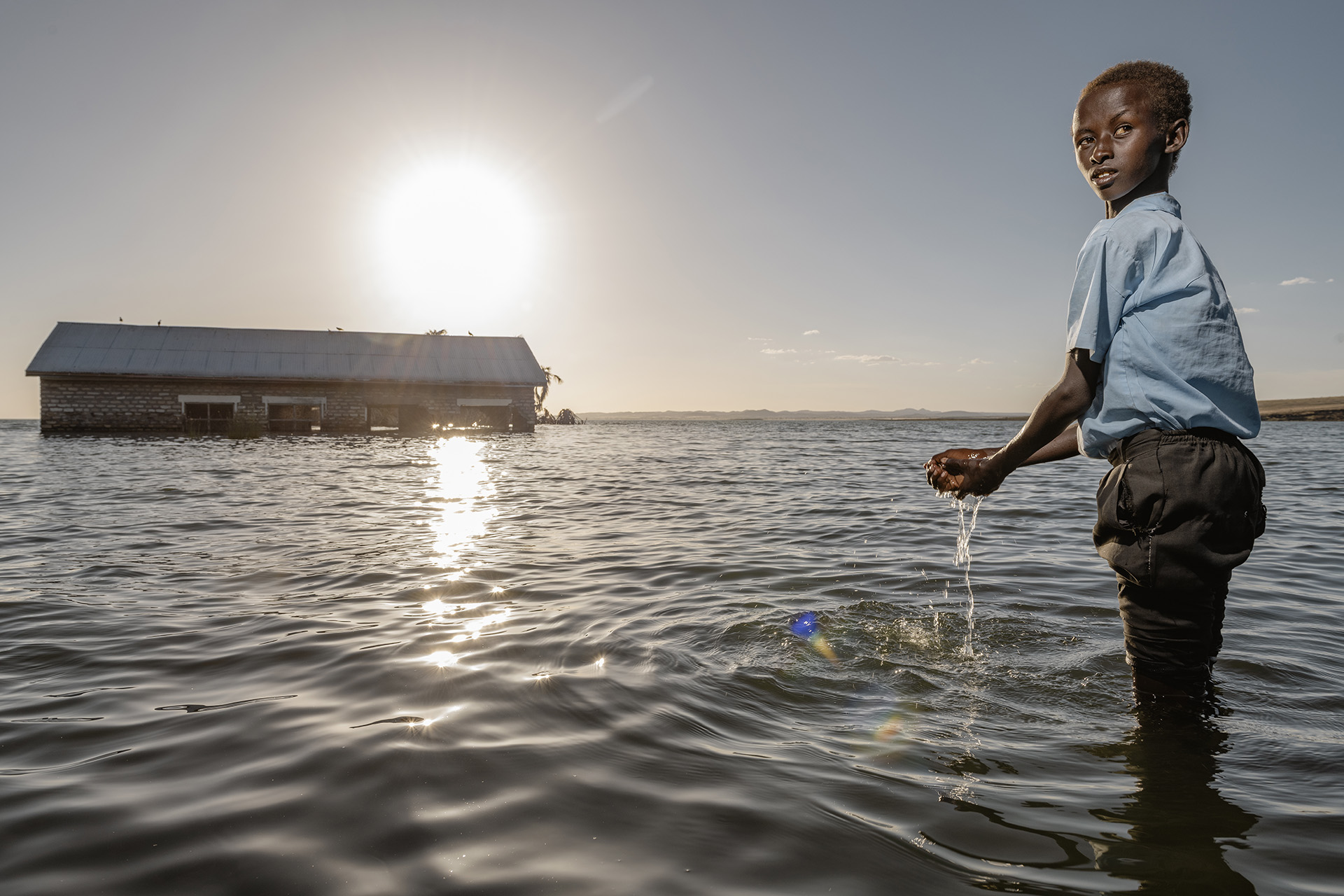
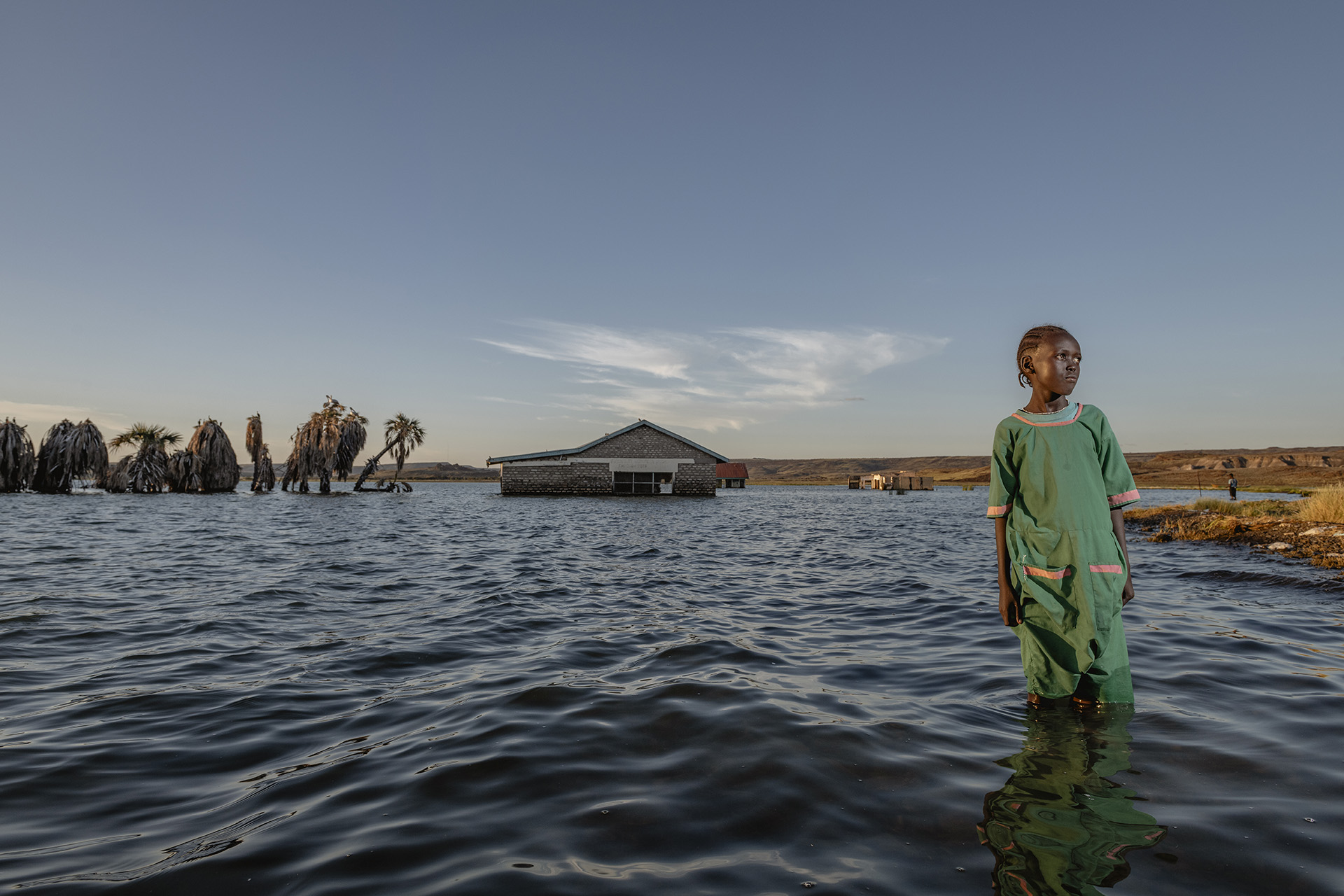
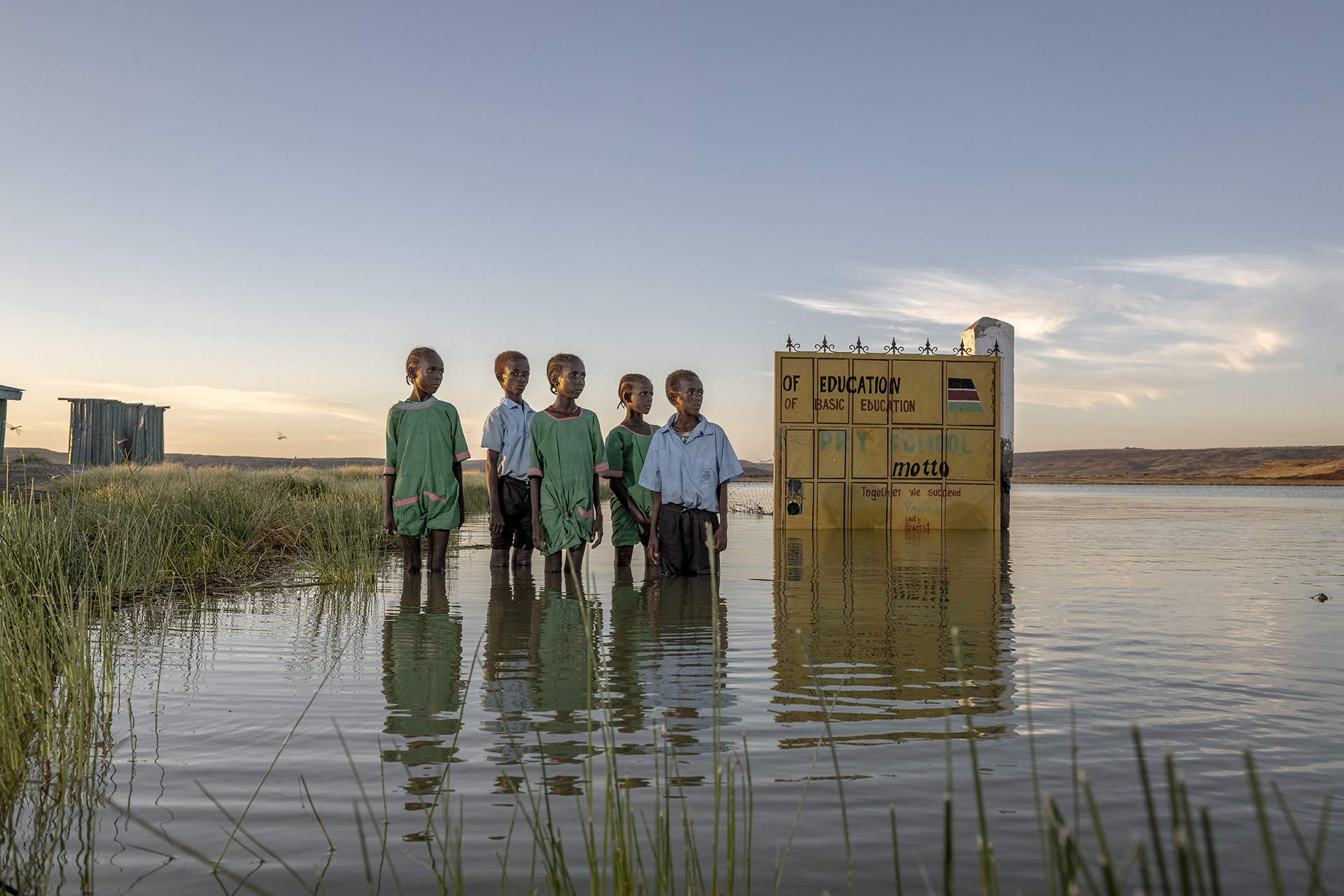
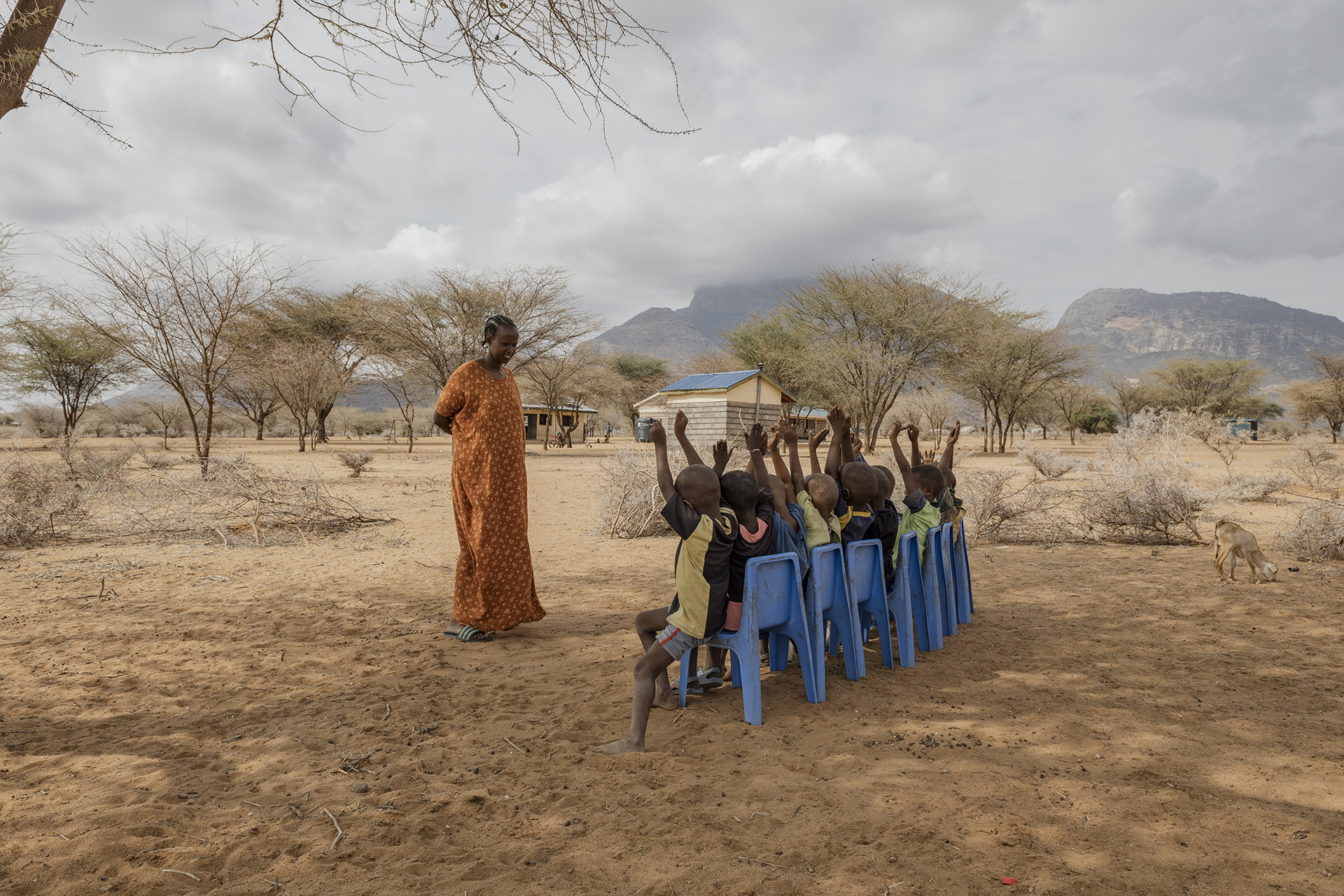
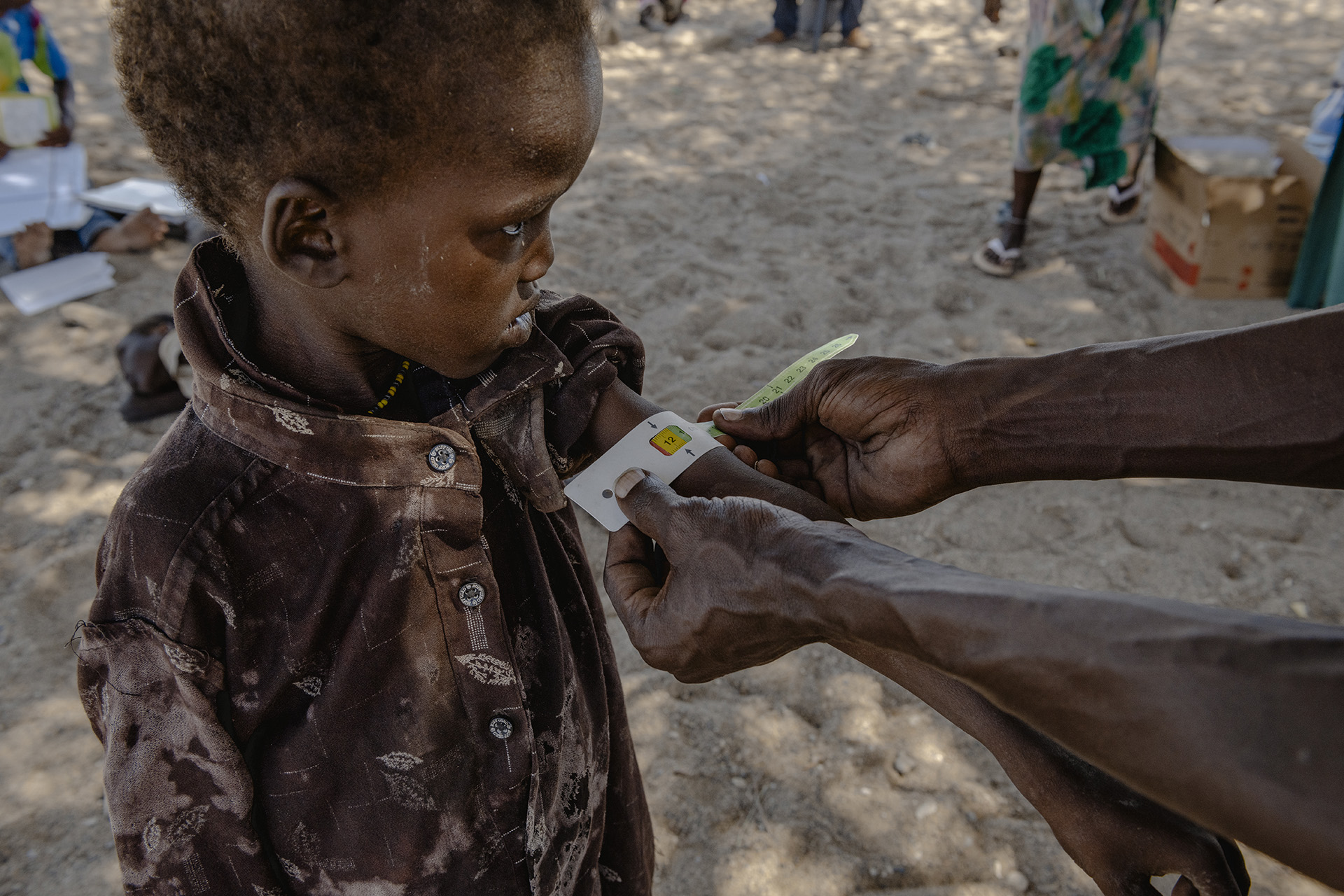
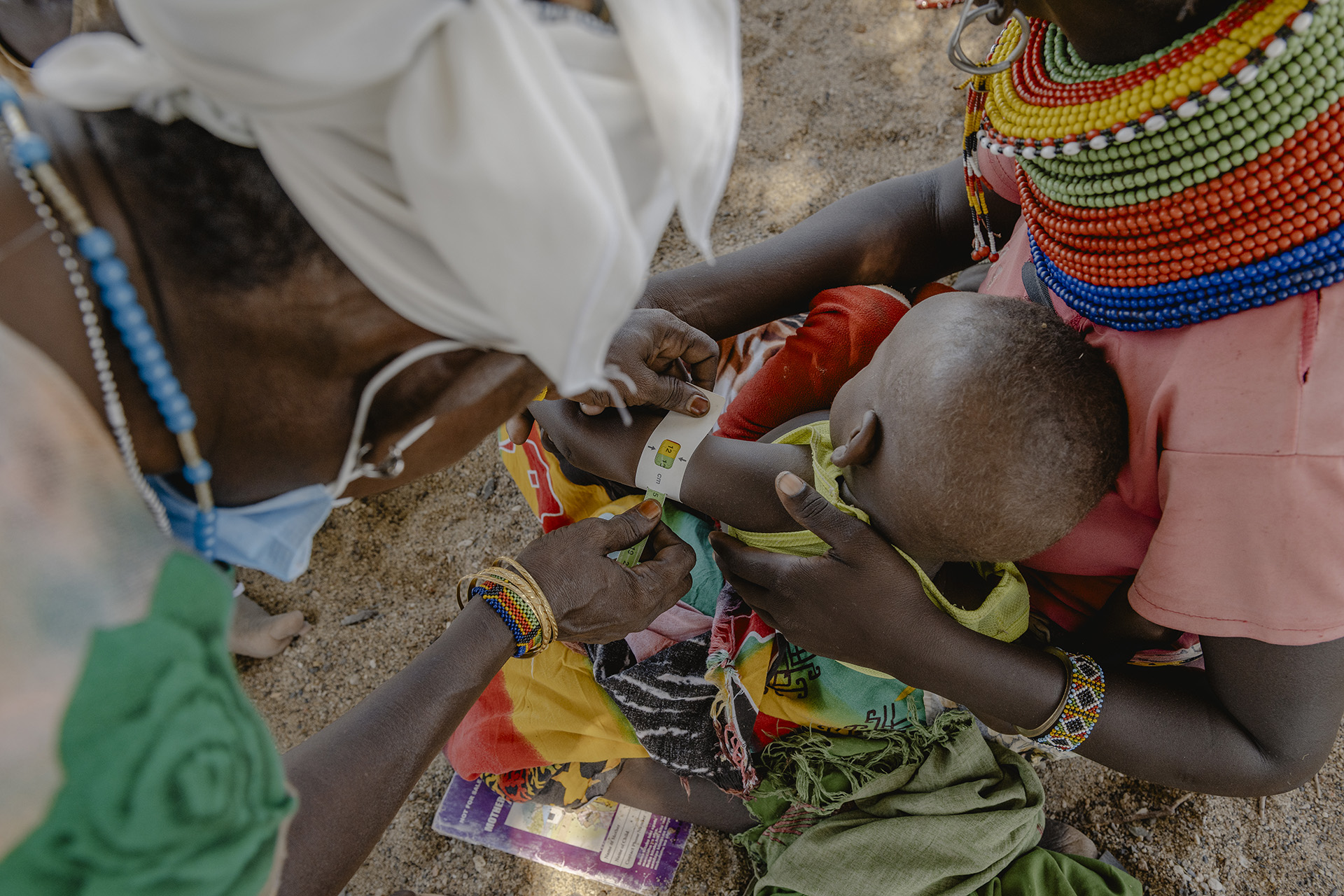
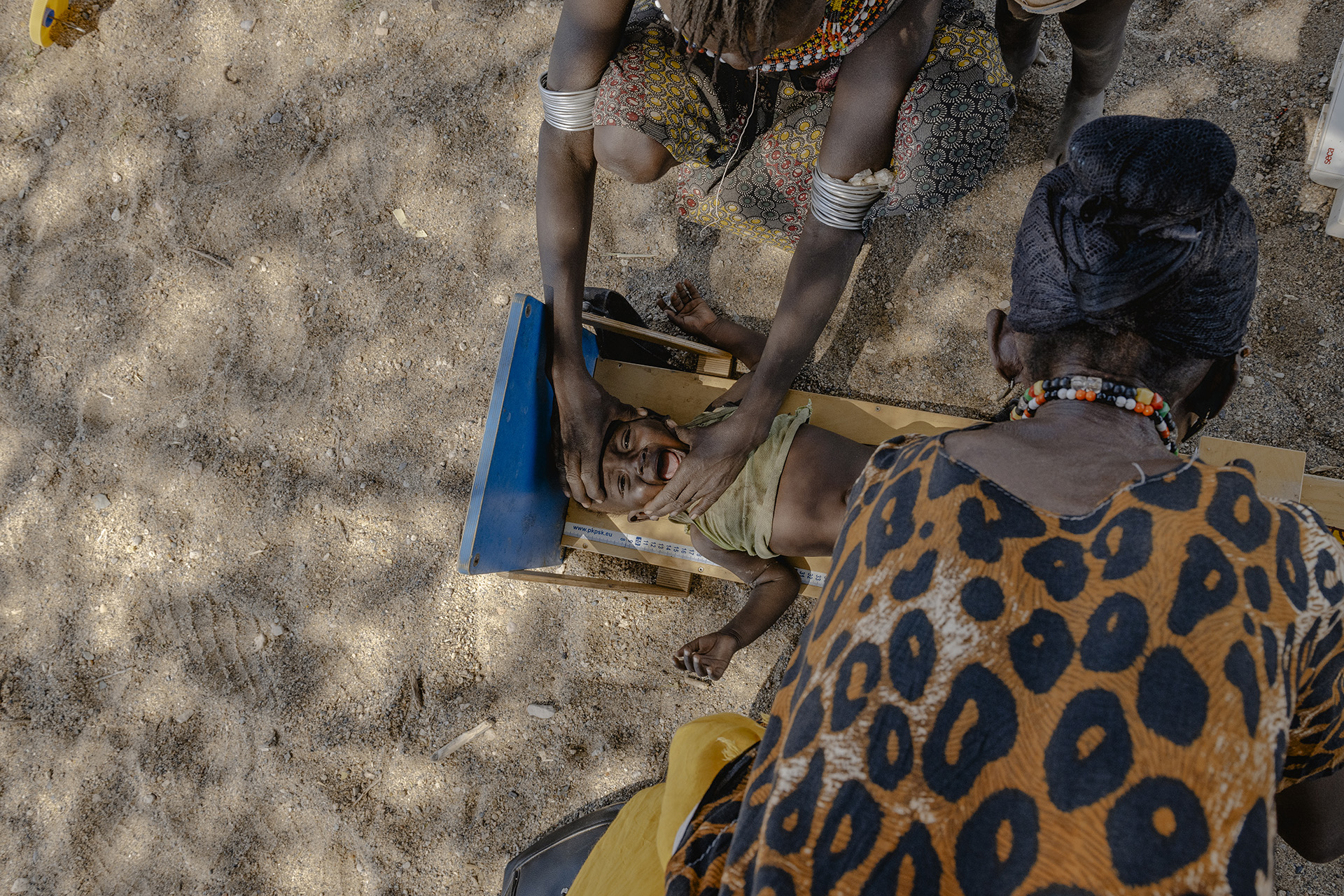
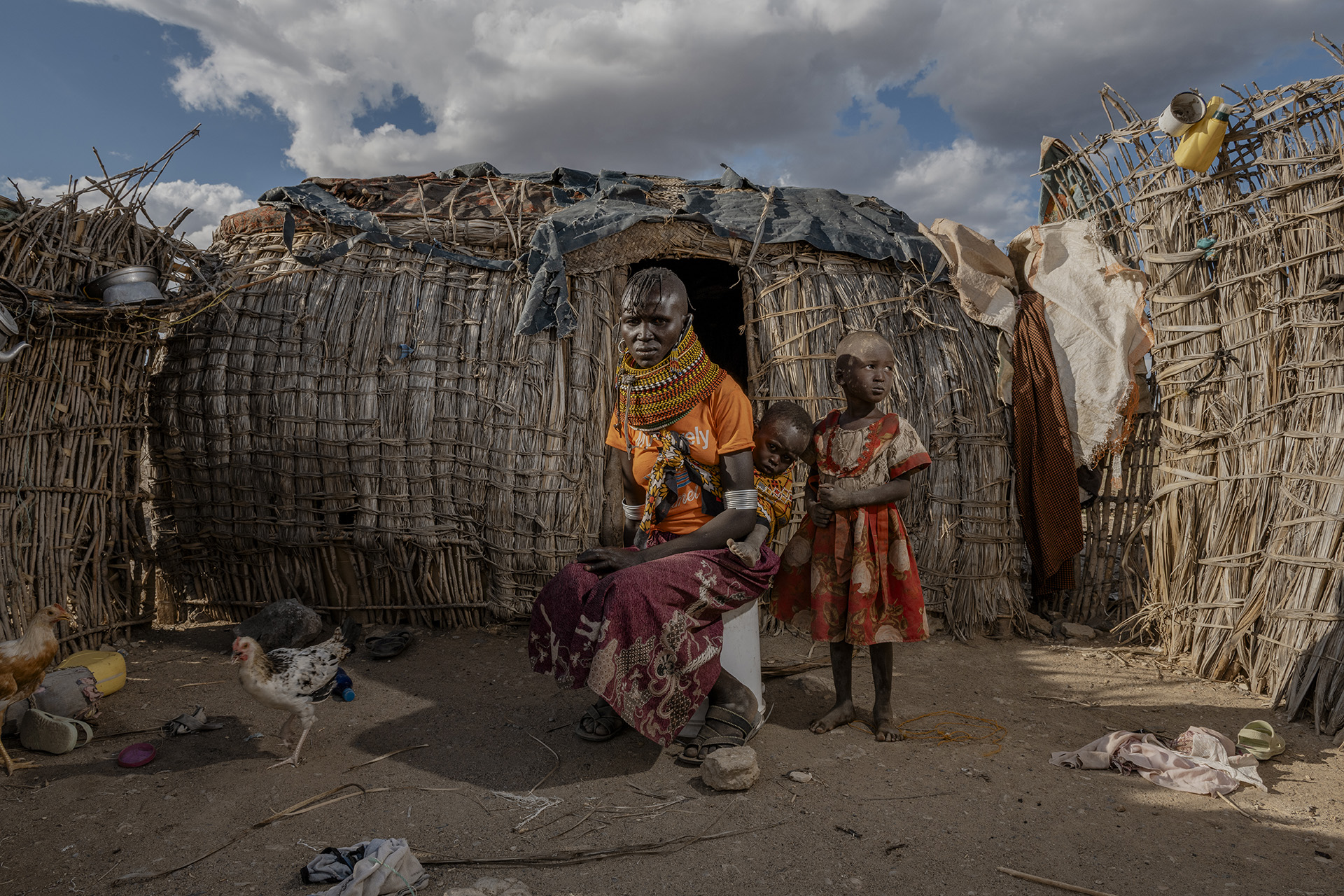
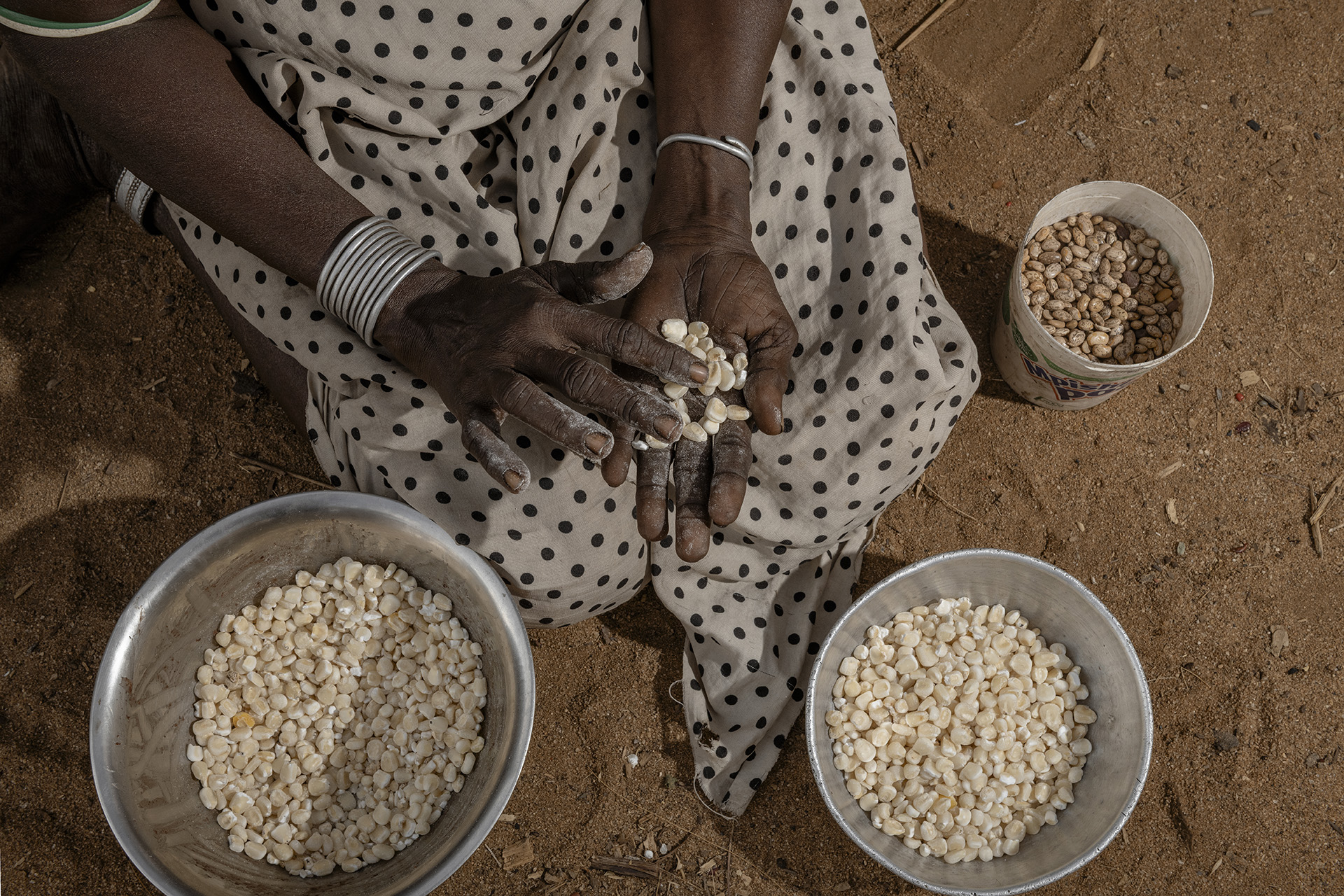
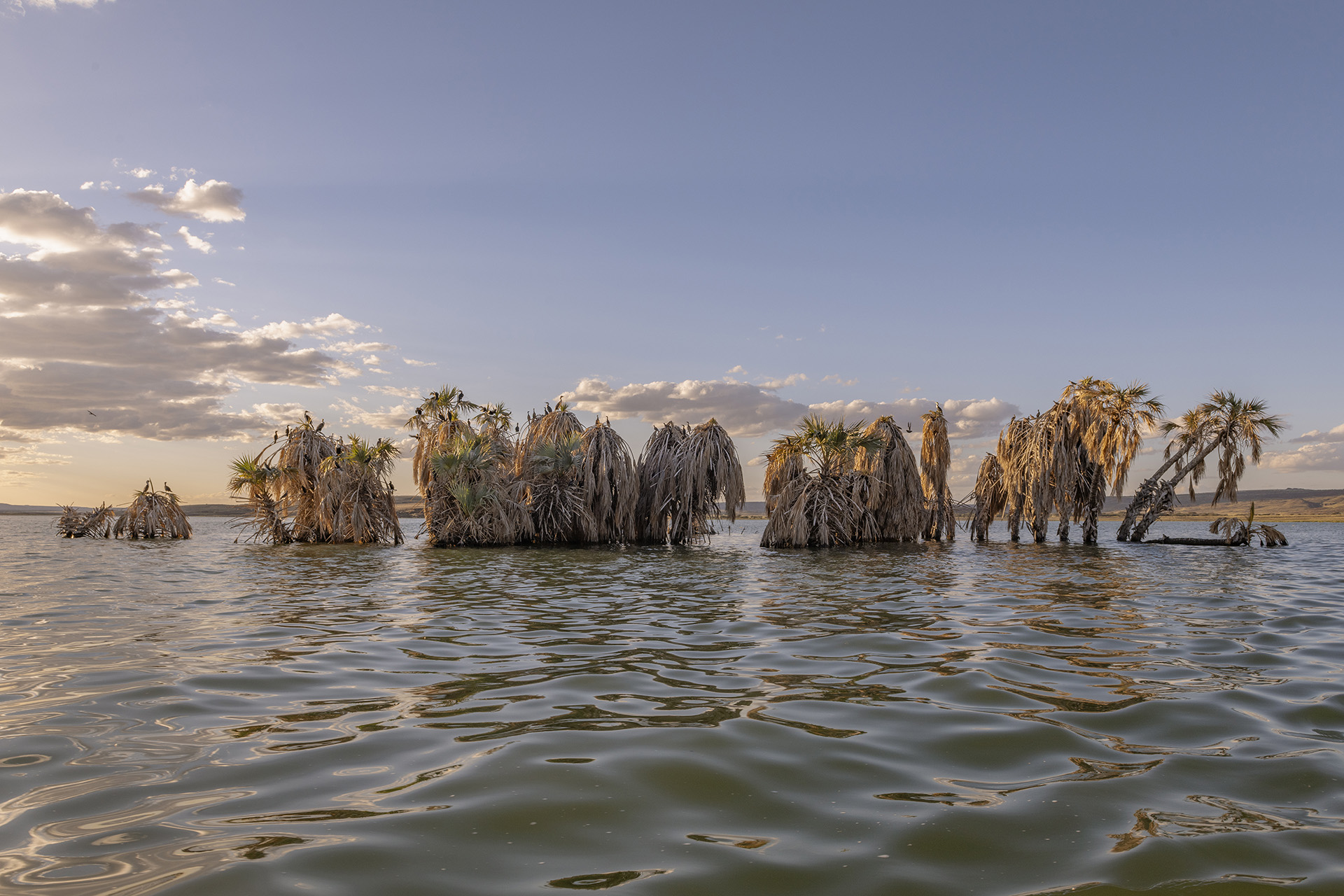
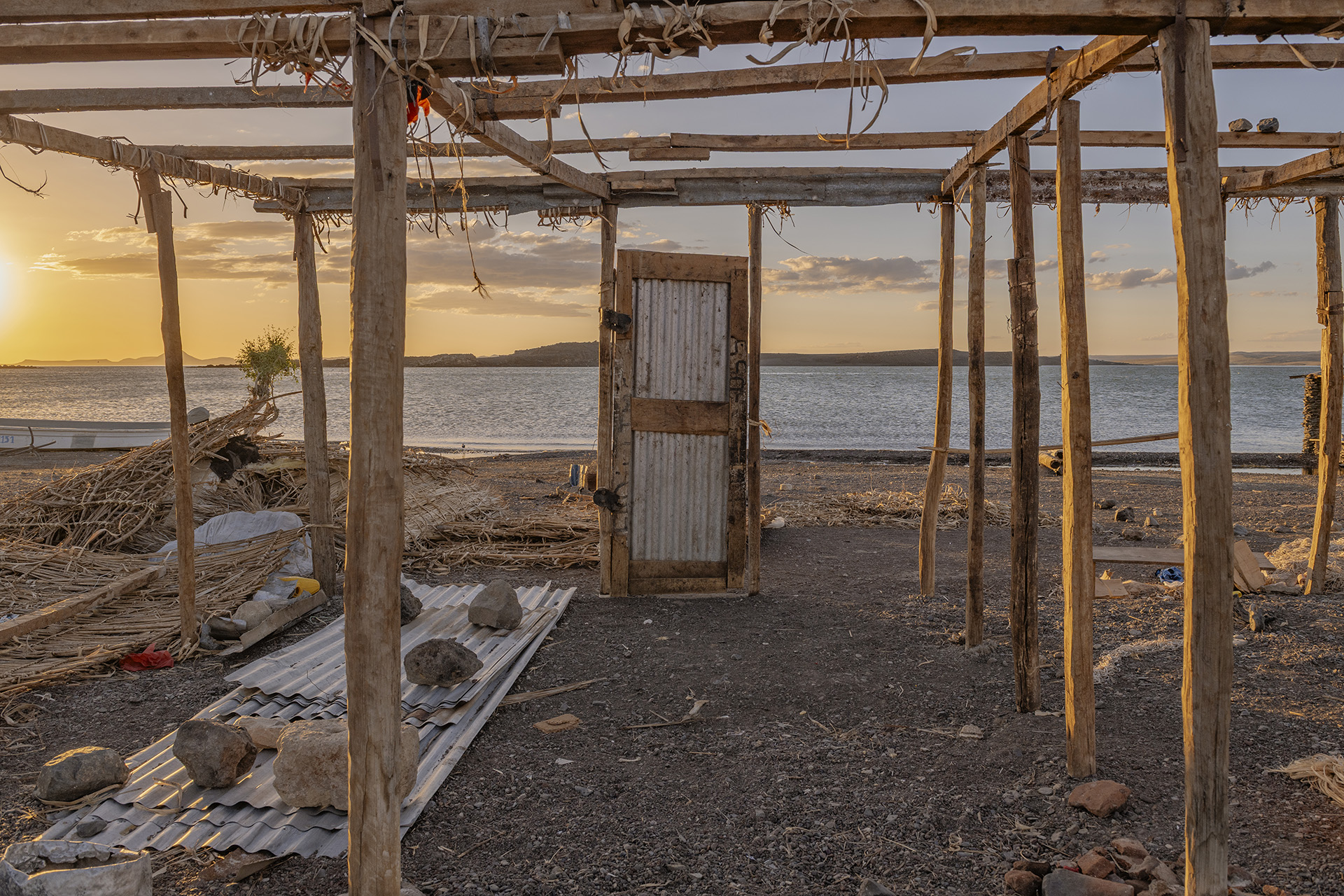
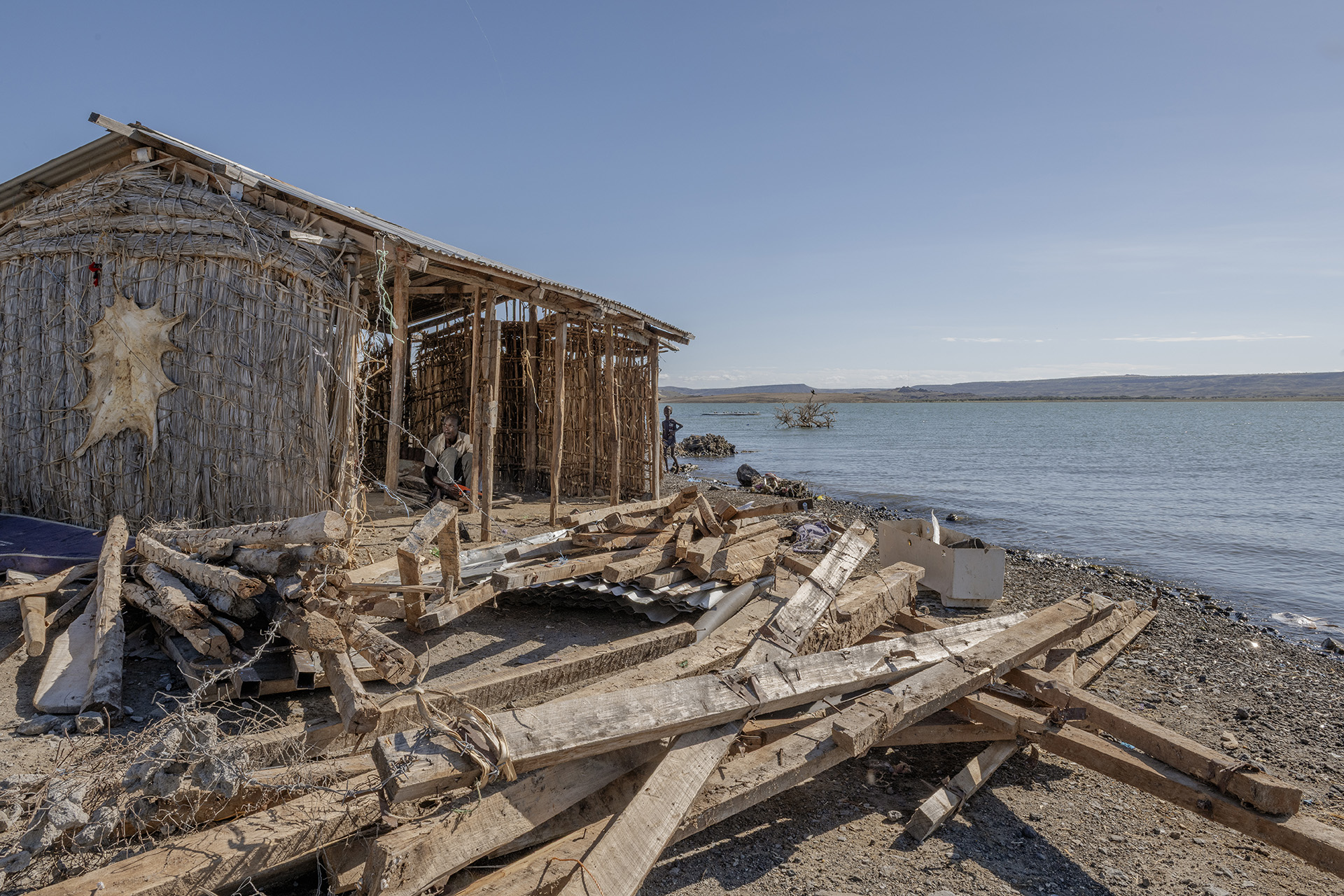
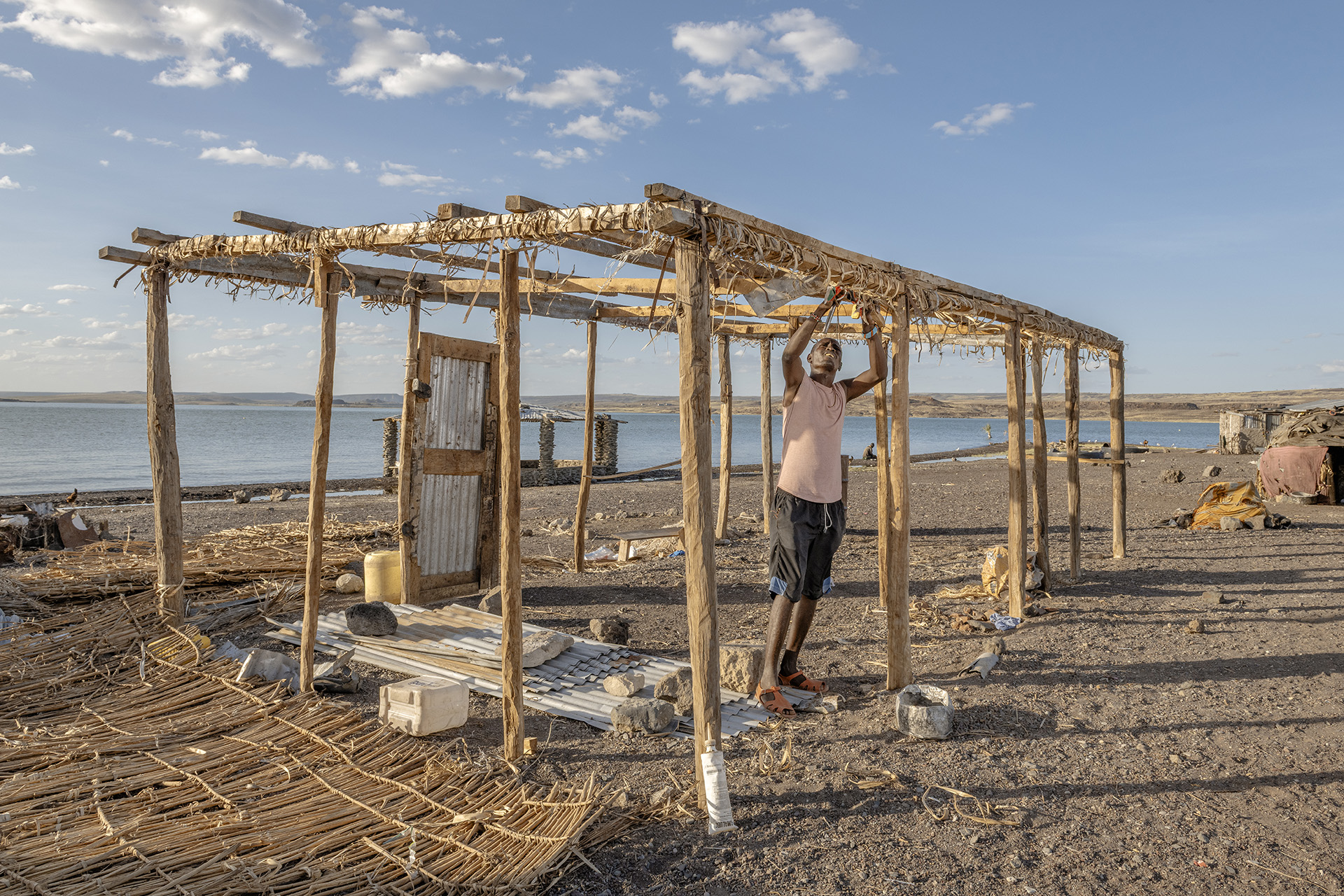
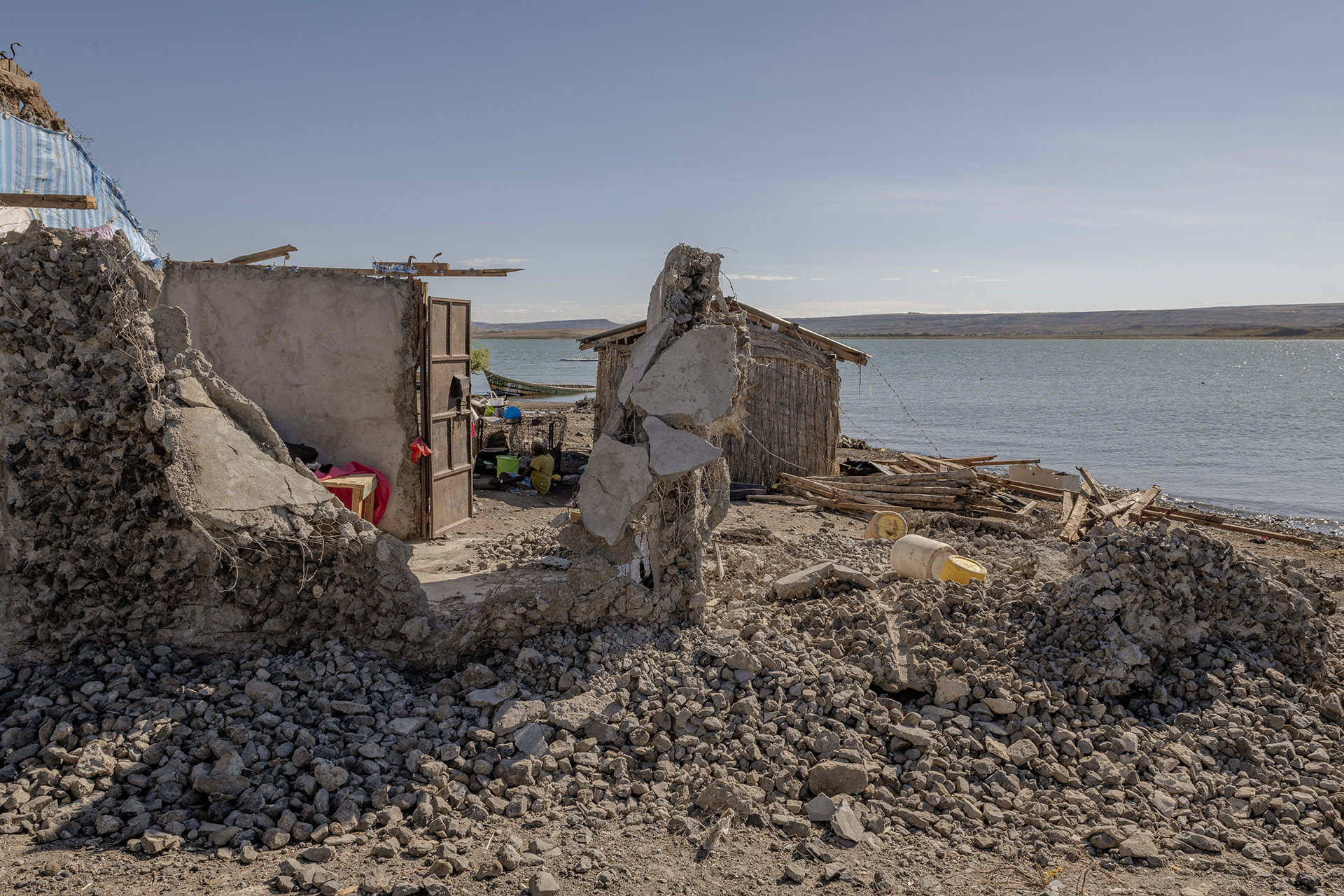
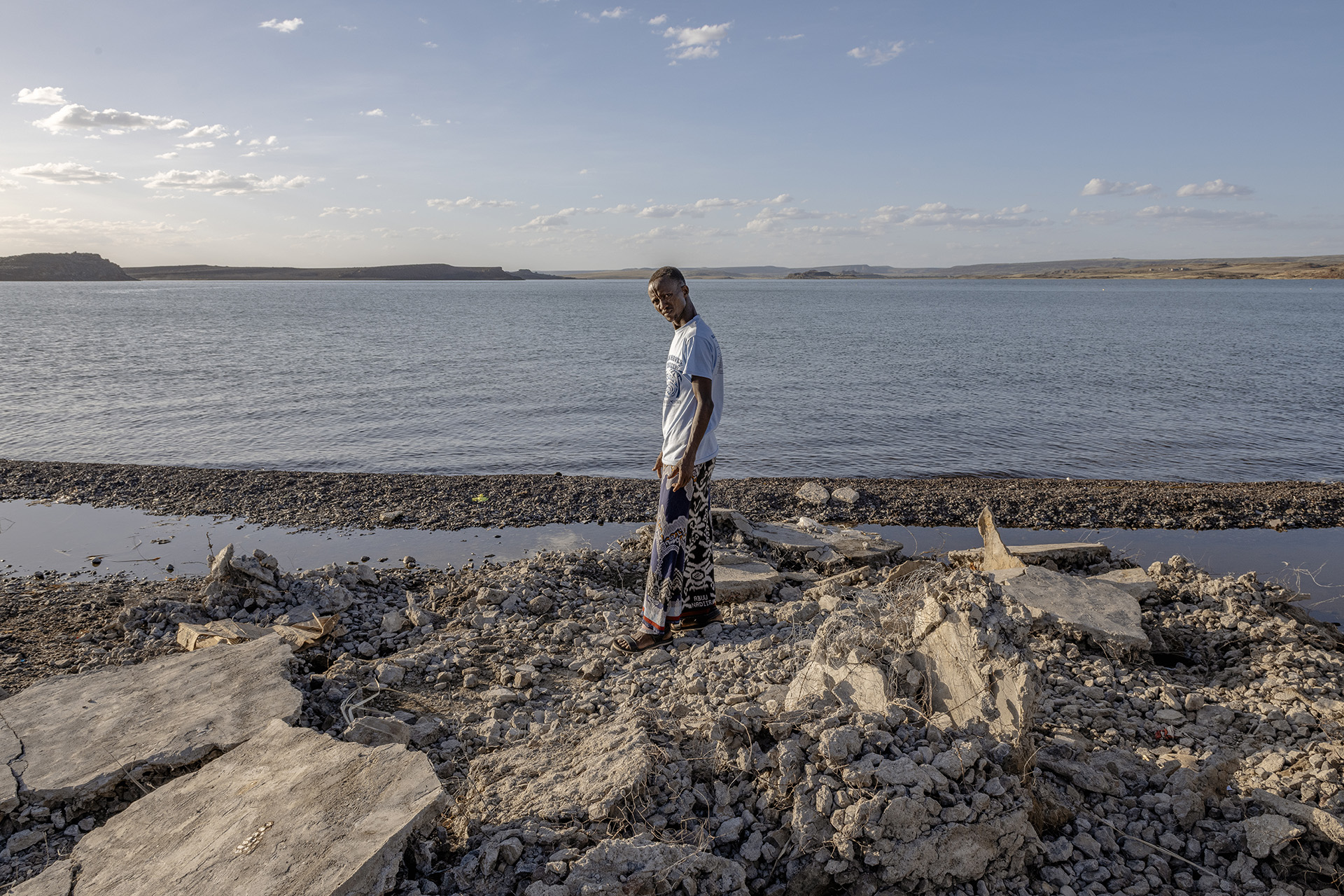
Across the arid and semi-arid regions of northern Kenya, climate change is disrupting the rhythms that once guided everyday life. Droughts are becoming more frequent and harder to predict, water is increasingly scarce, and on the shores of Lake Turkana, rising waters are swallowing homes, schools and ancestral lands.
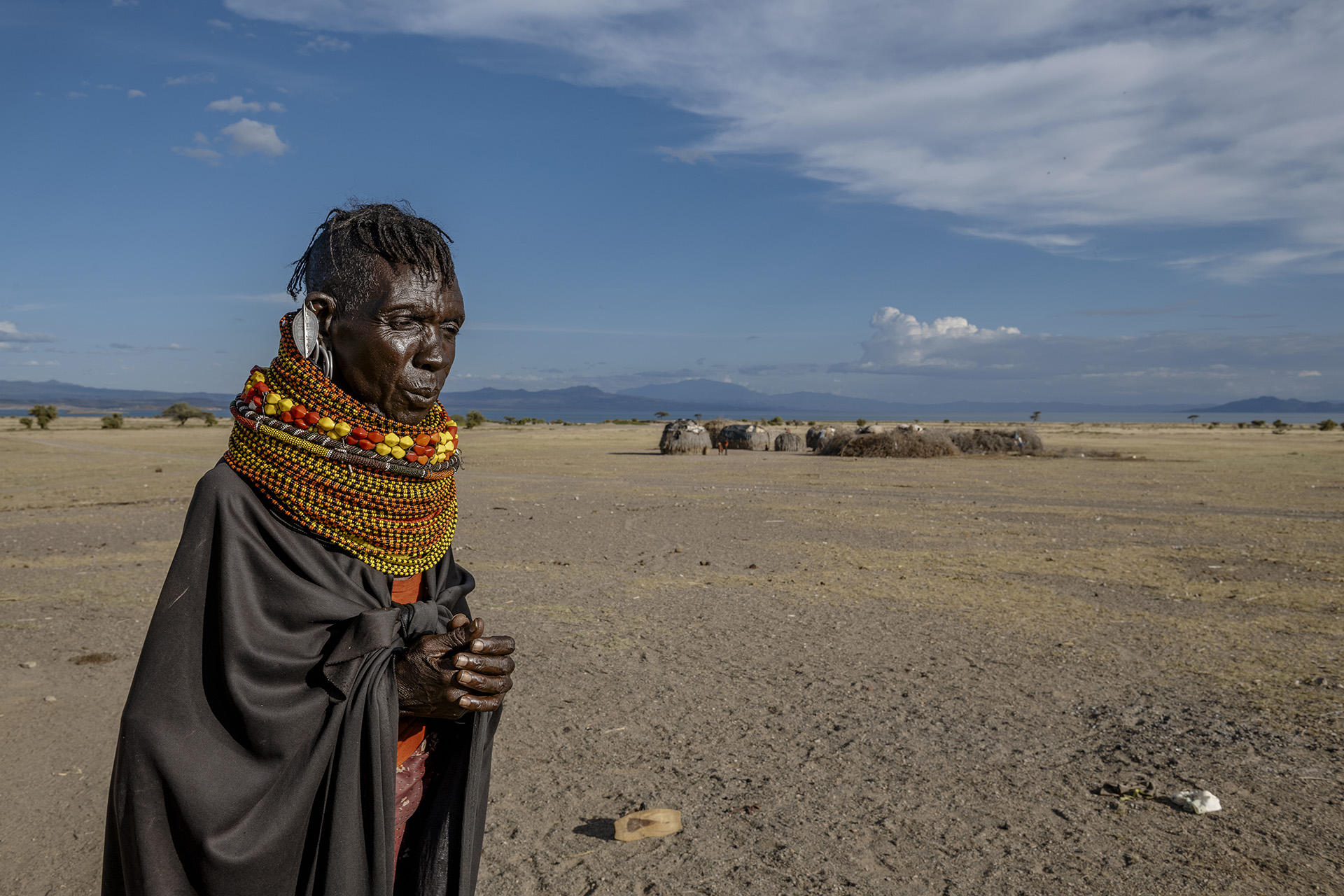
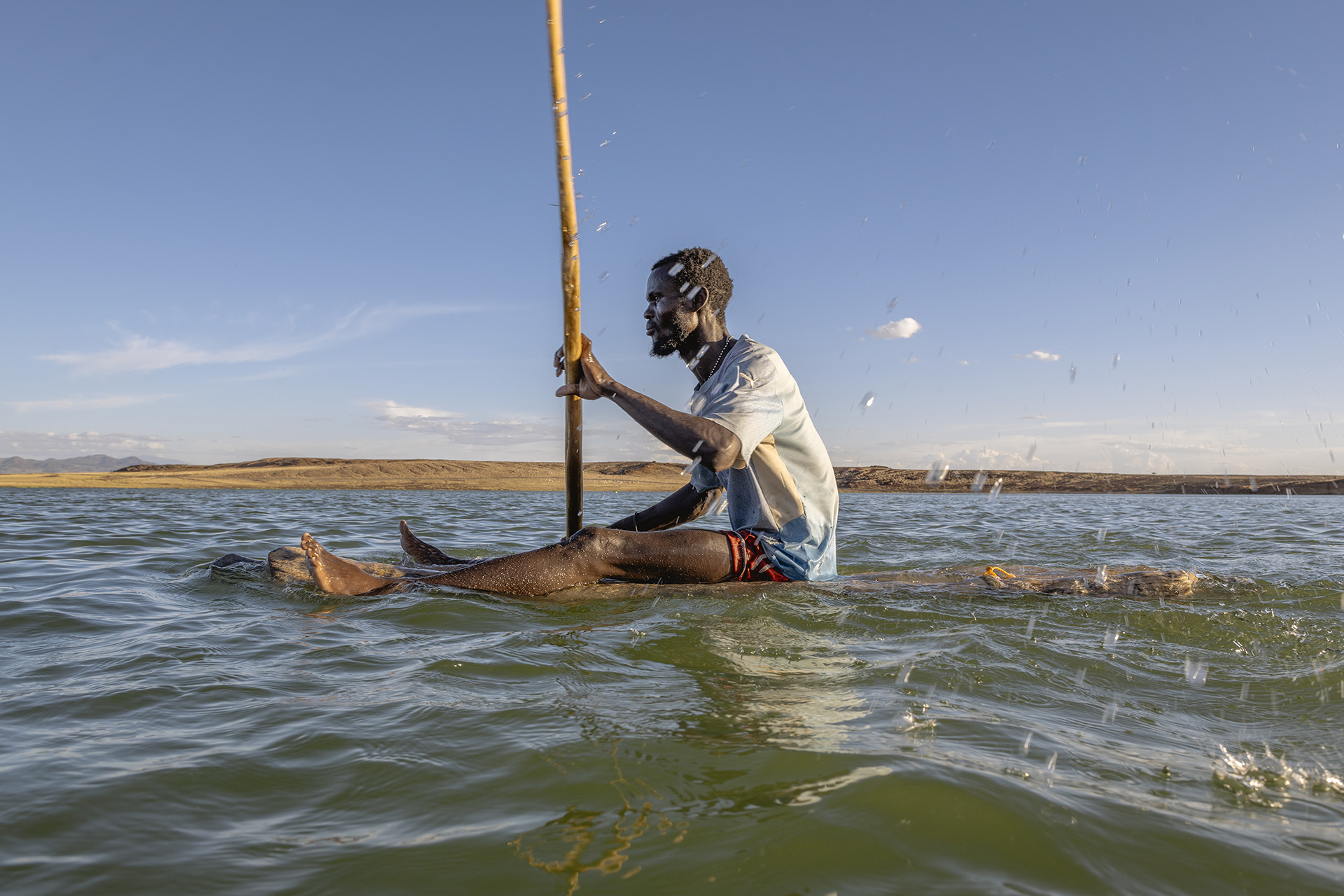
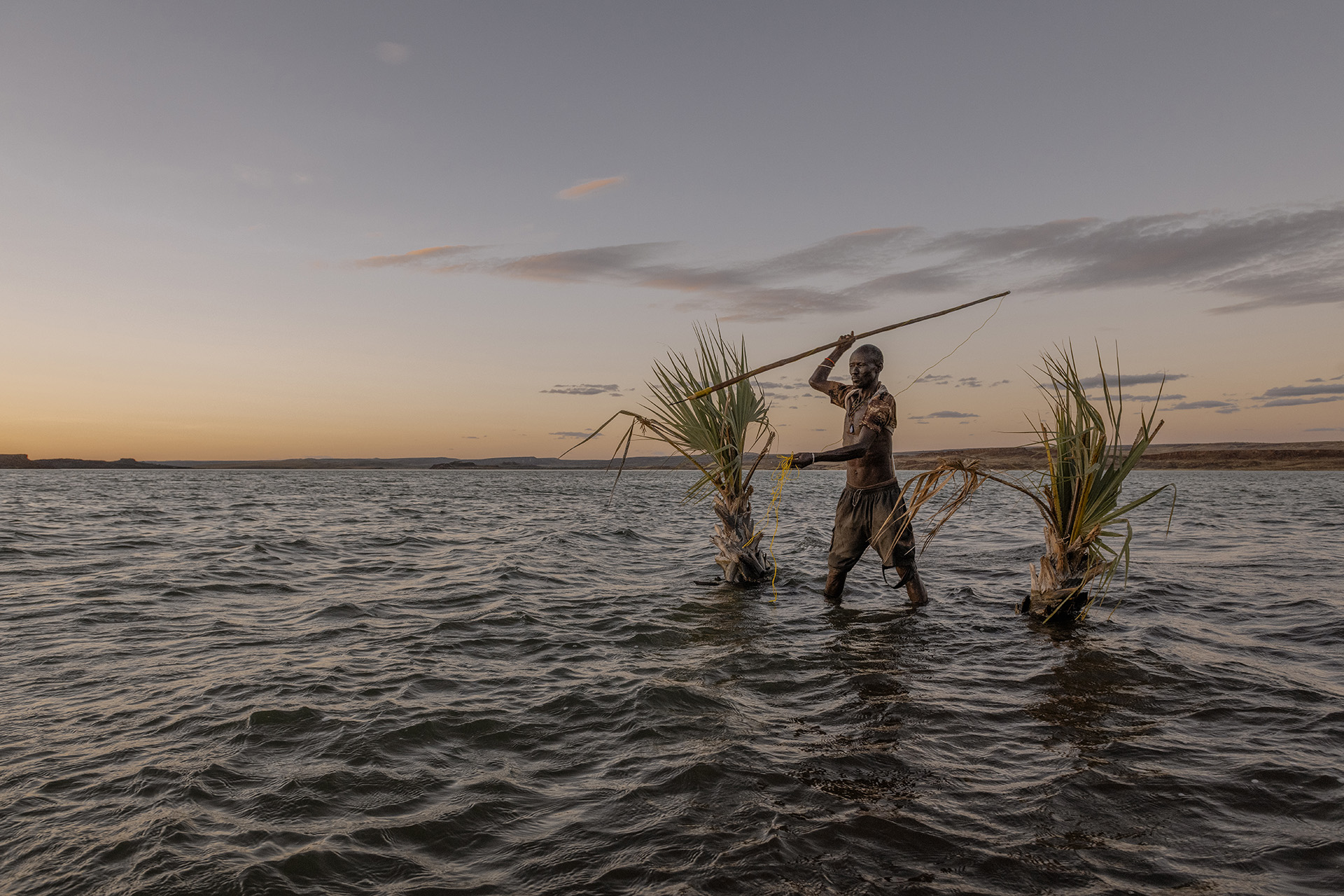
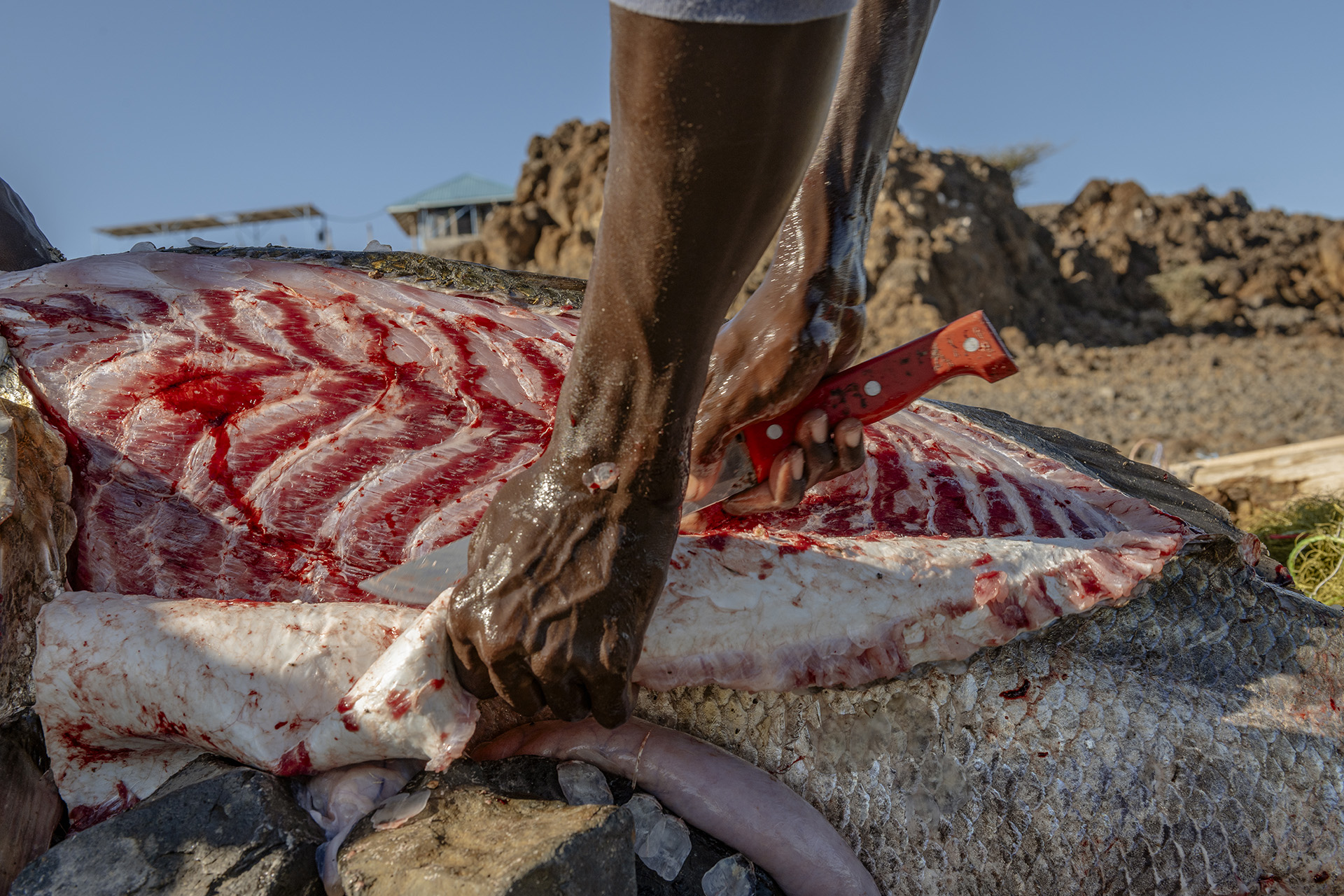
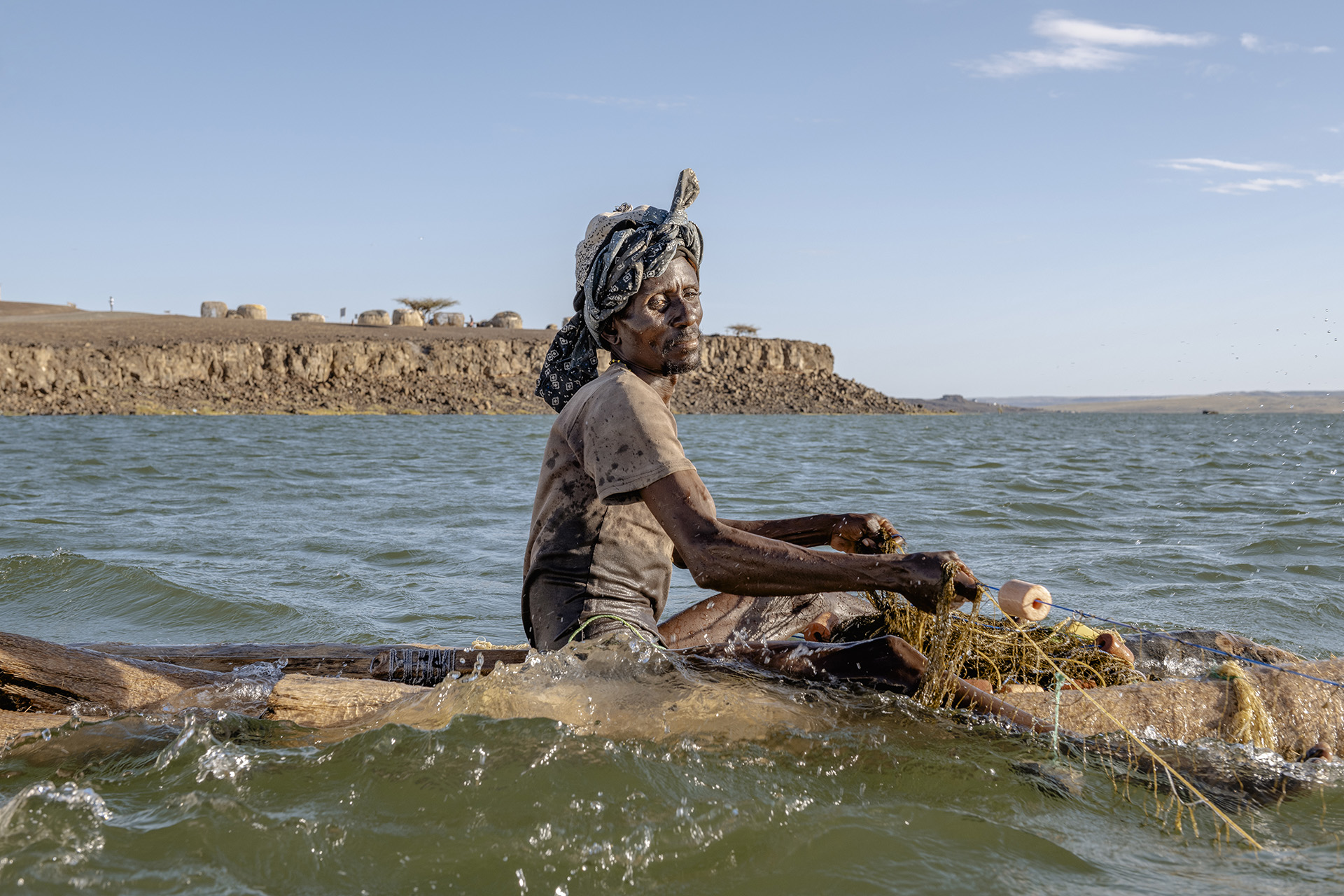
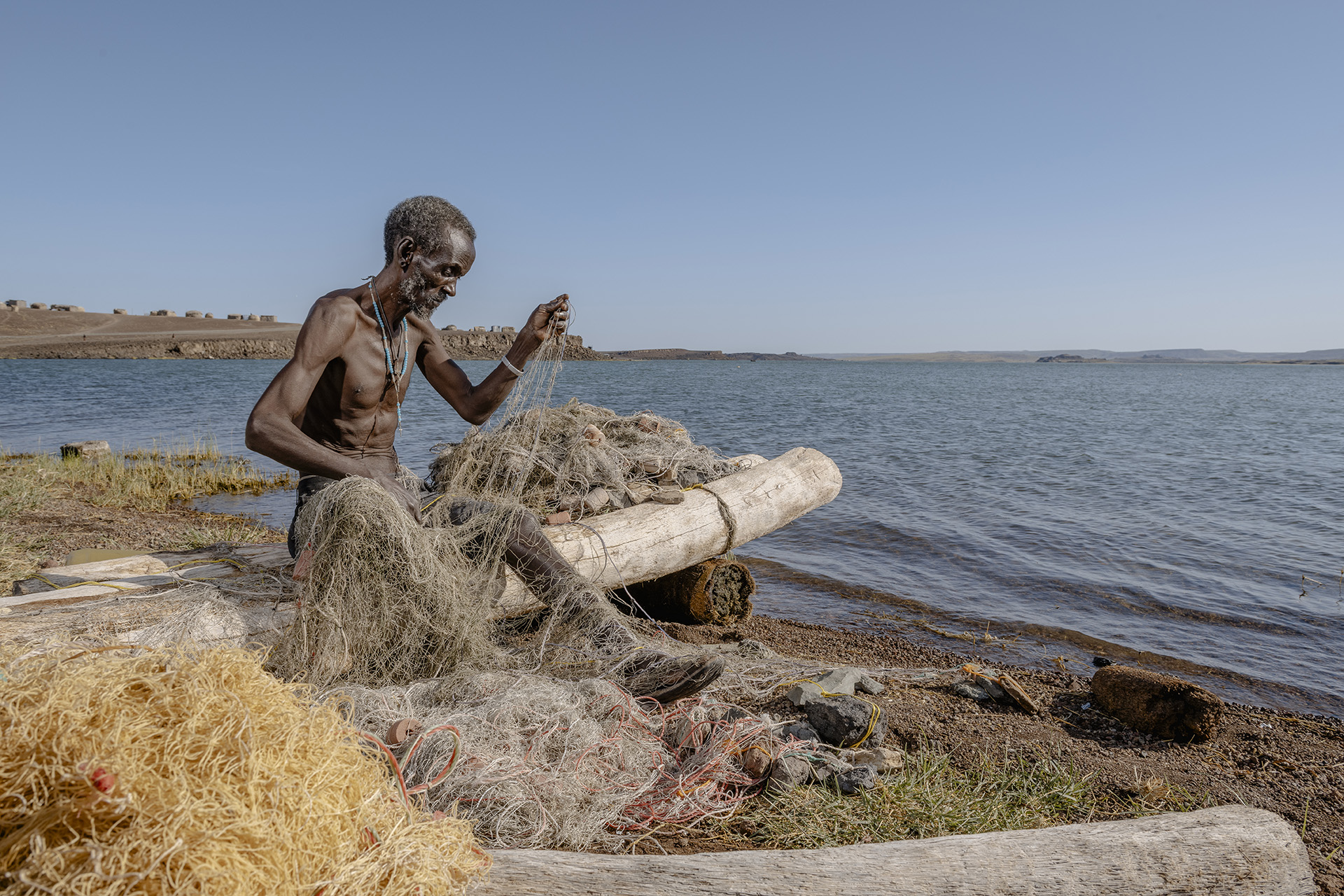
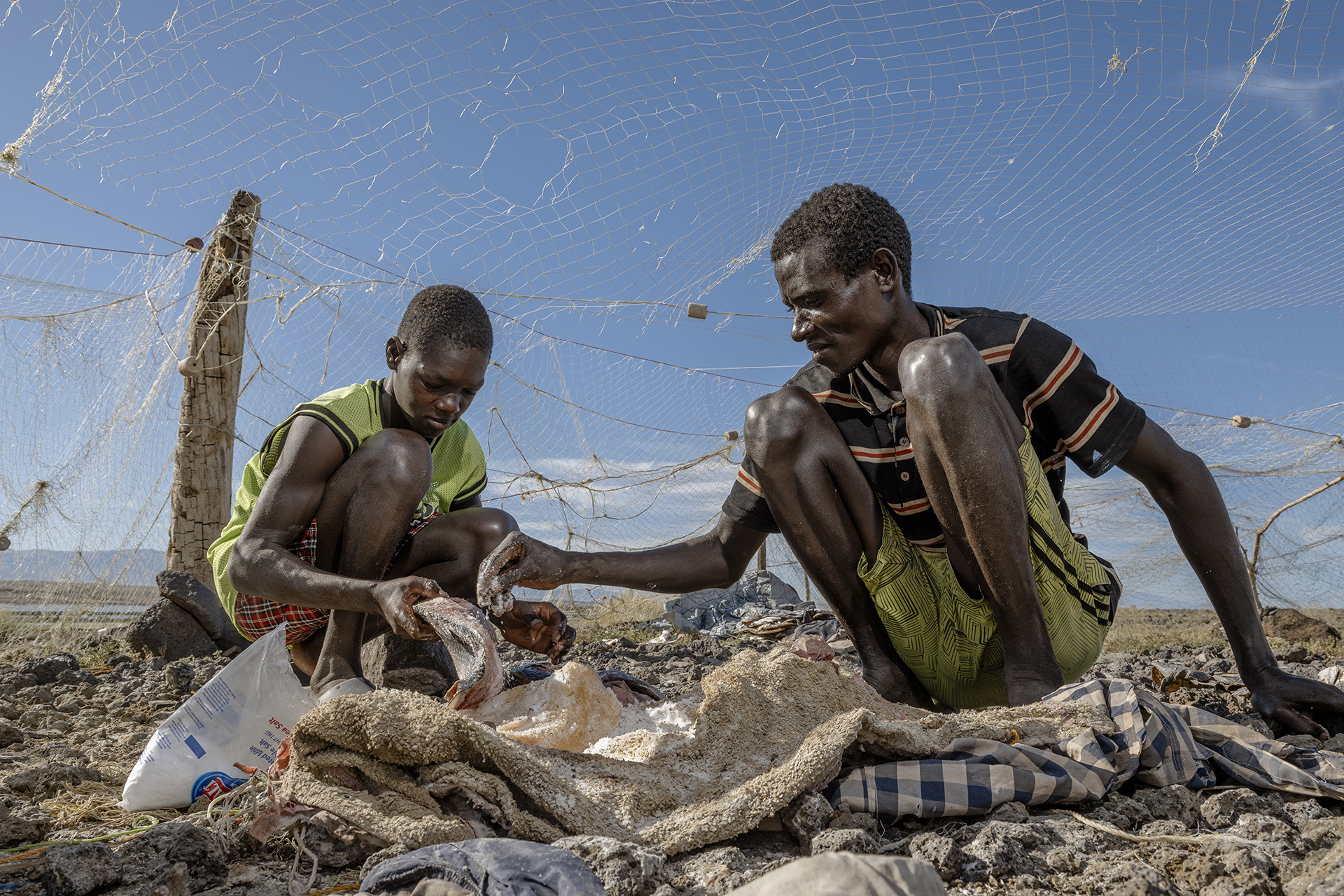
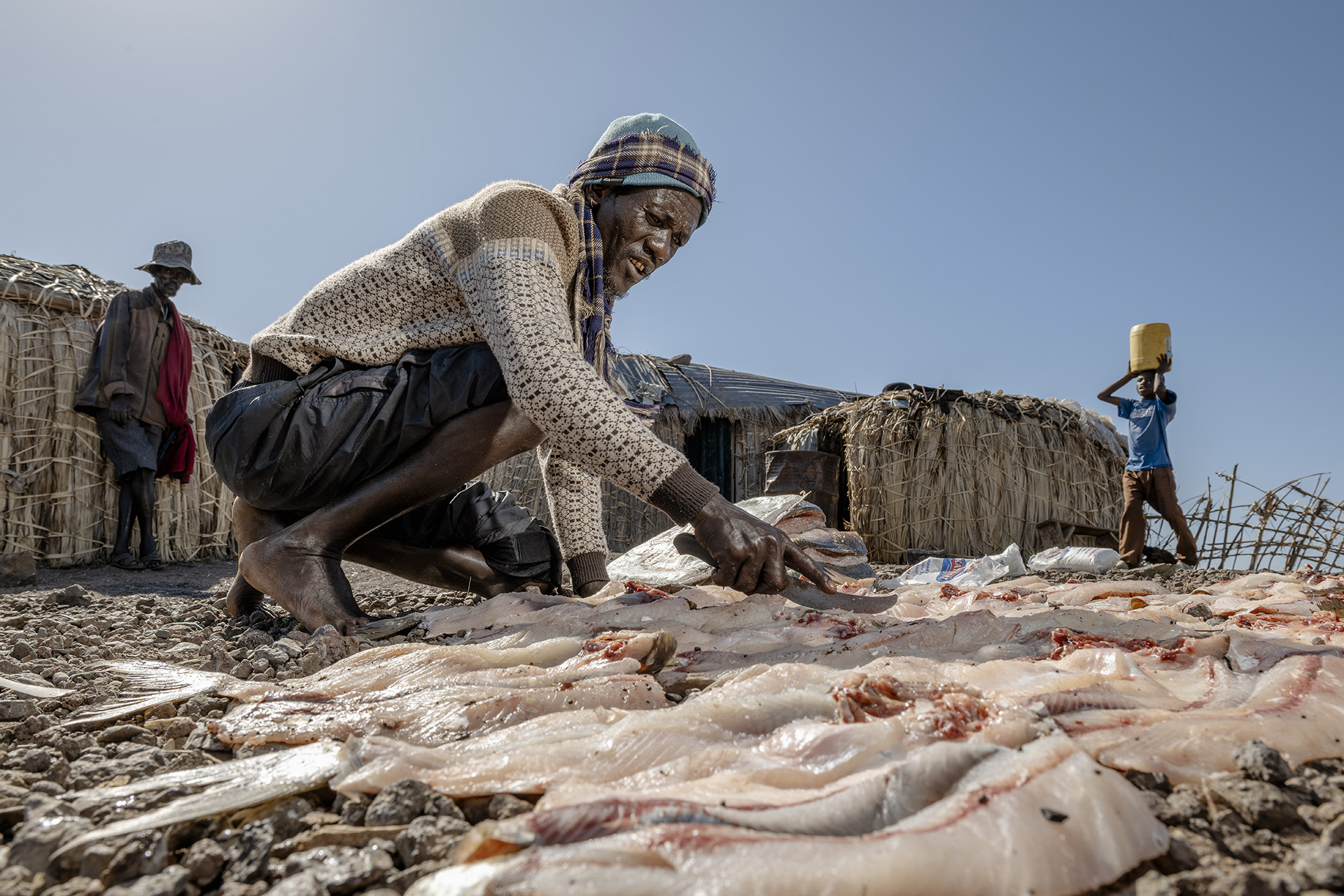
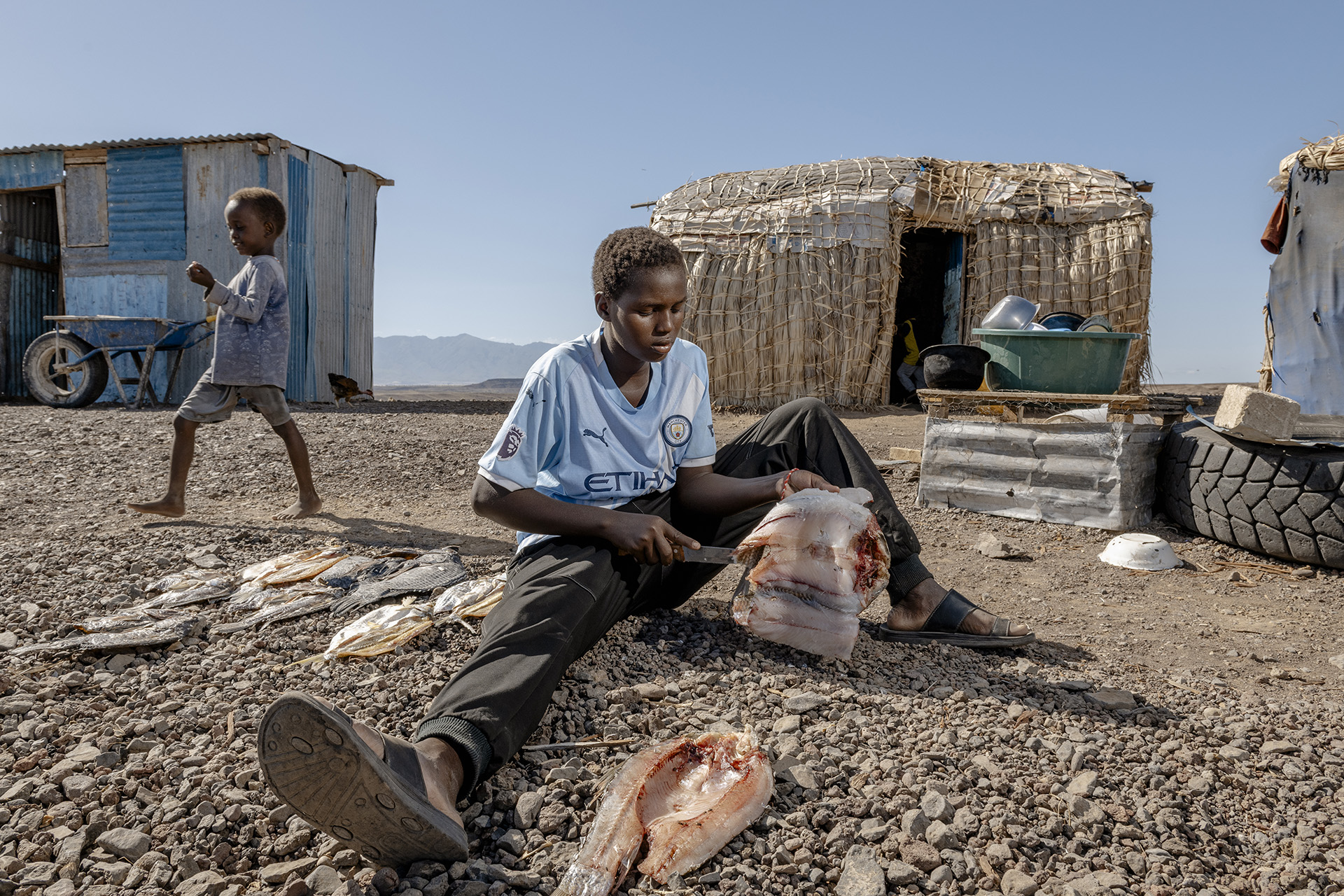
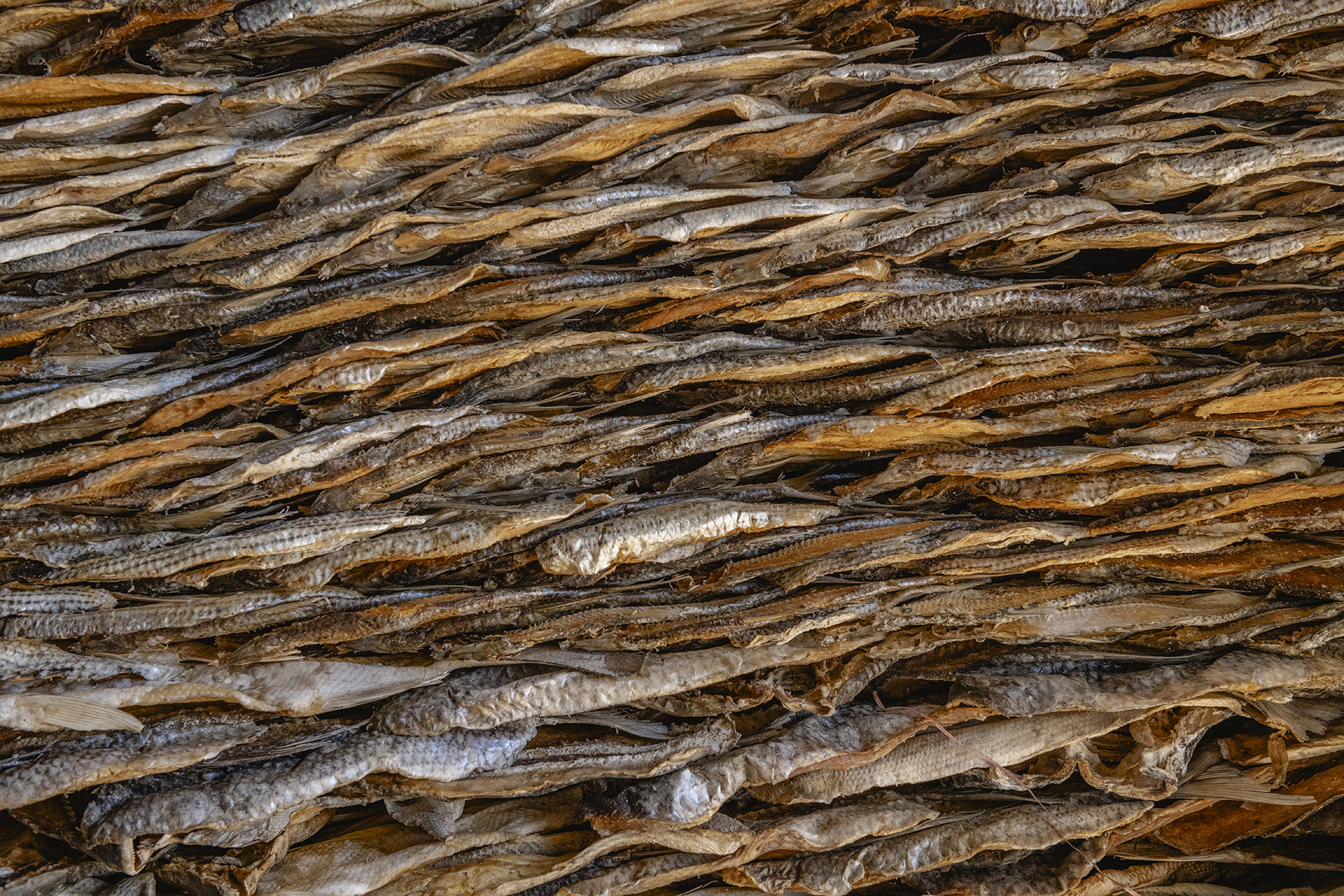
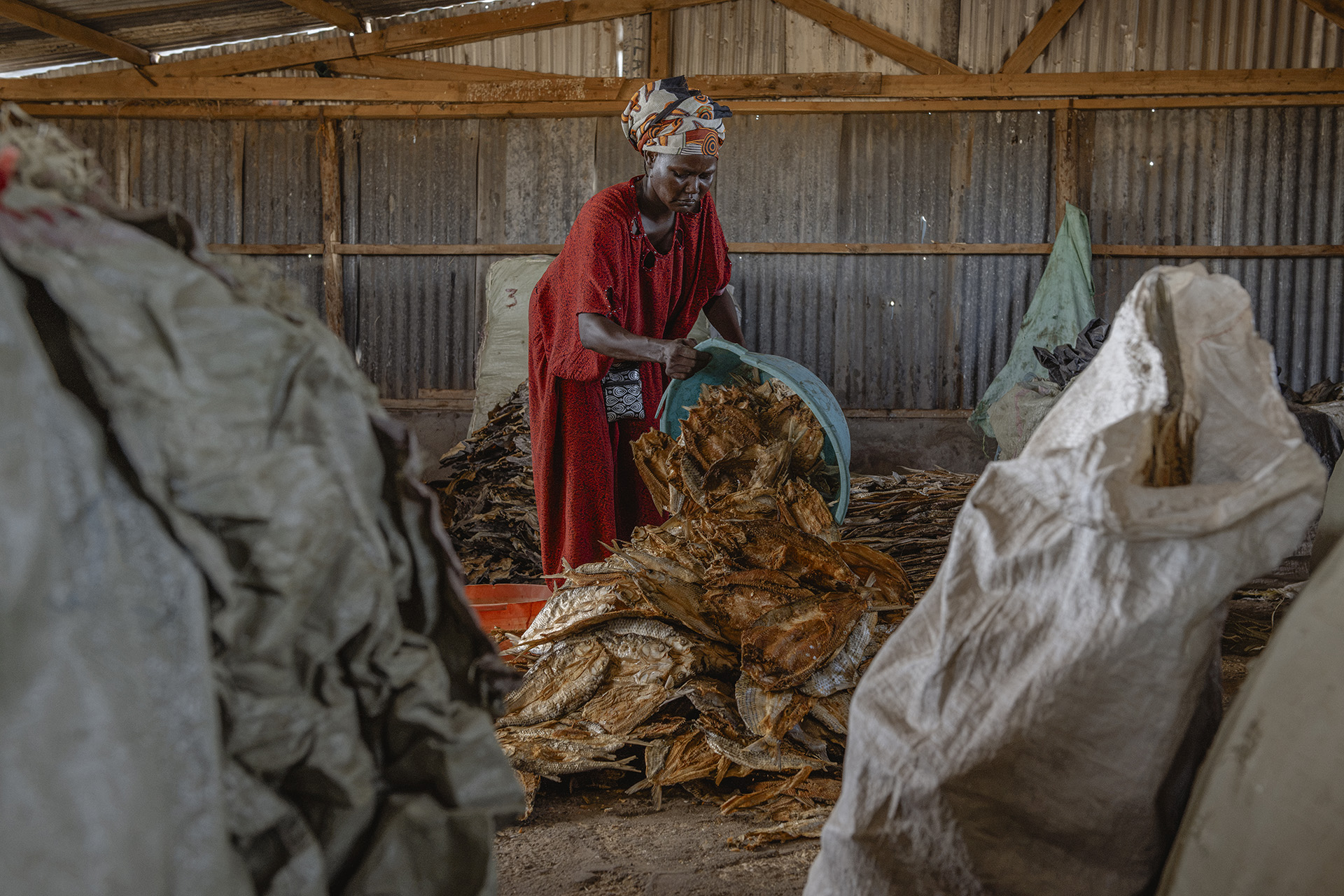
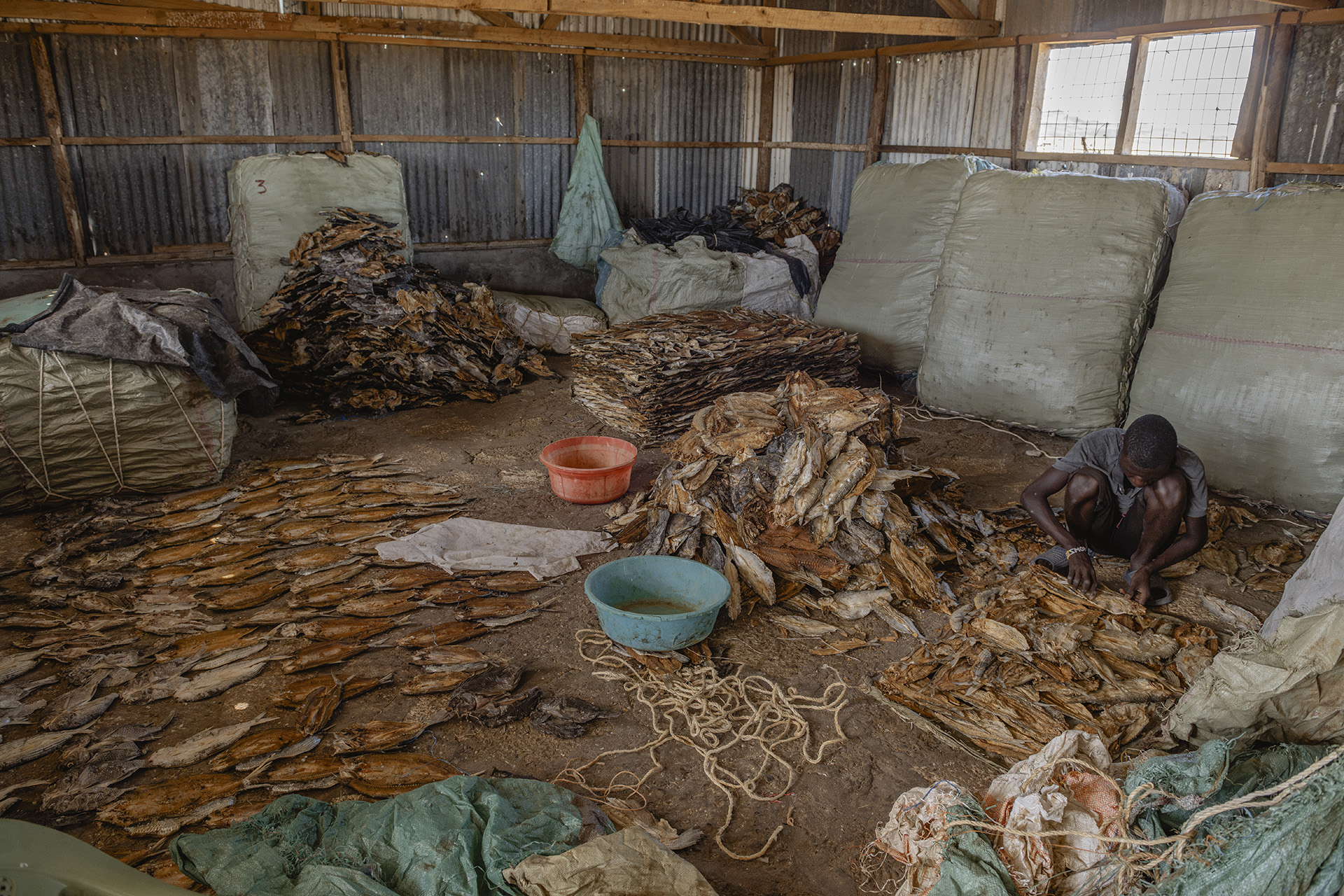
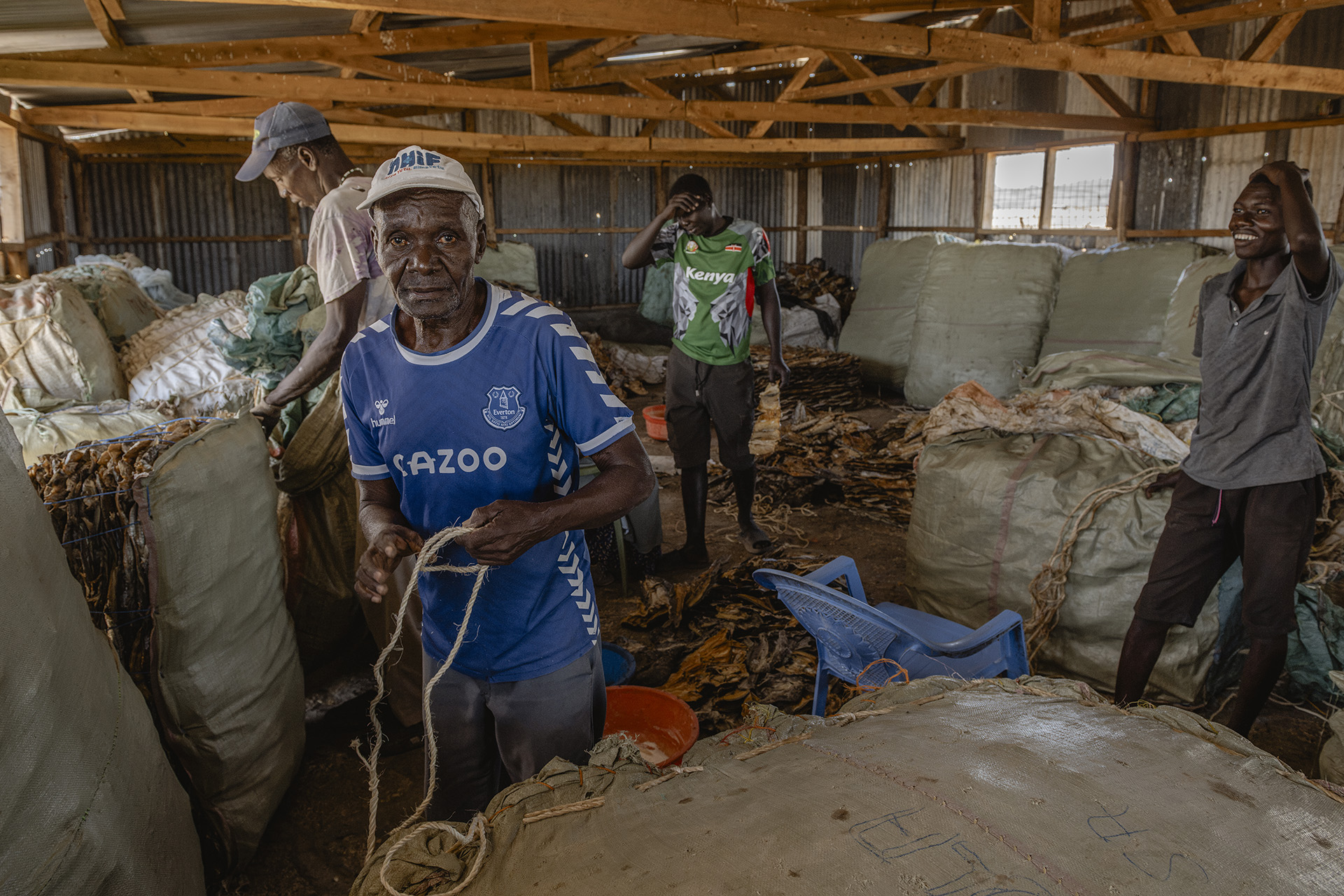
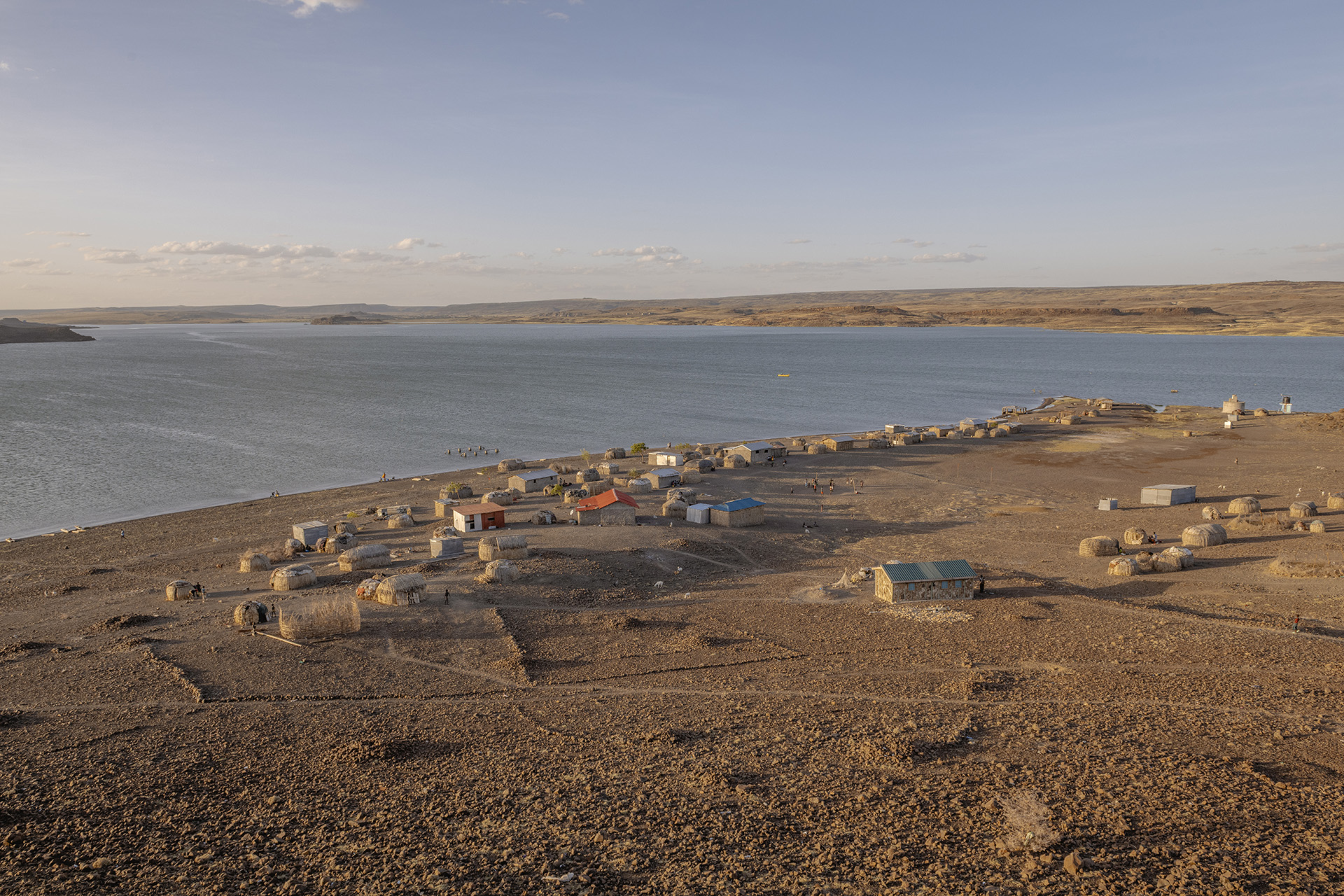
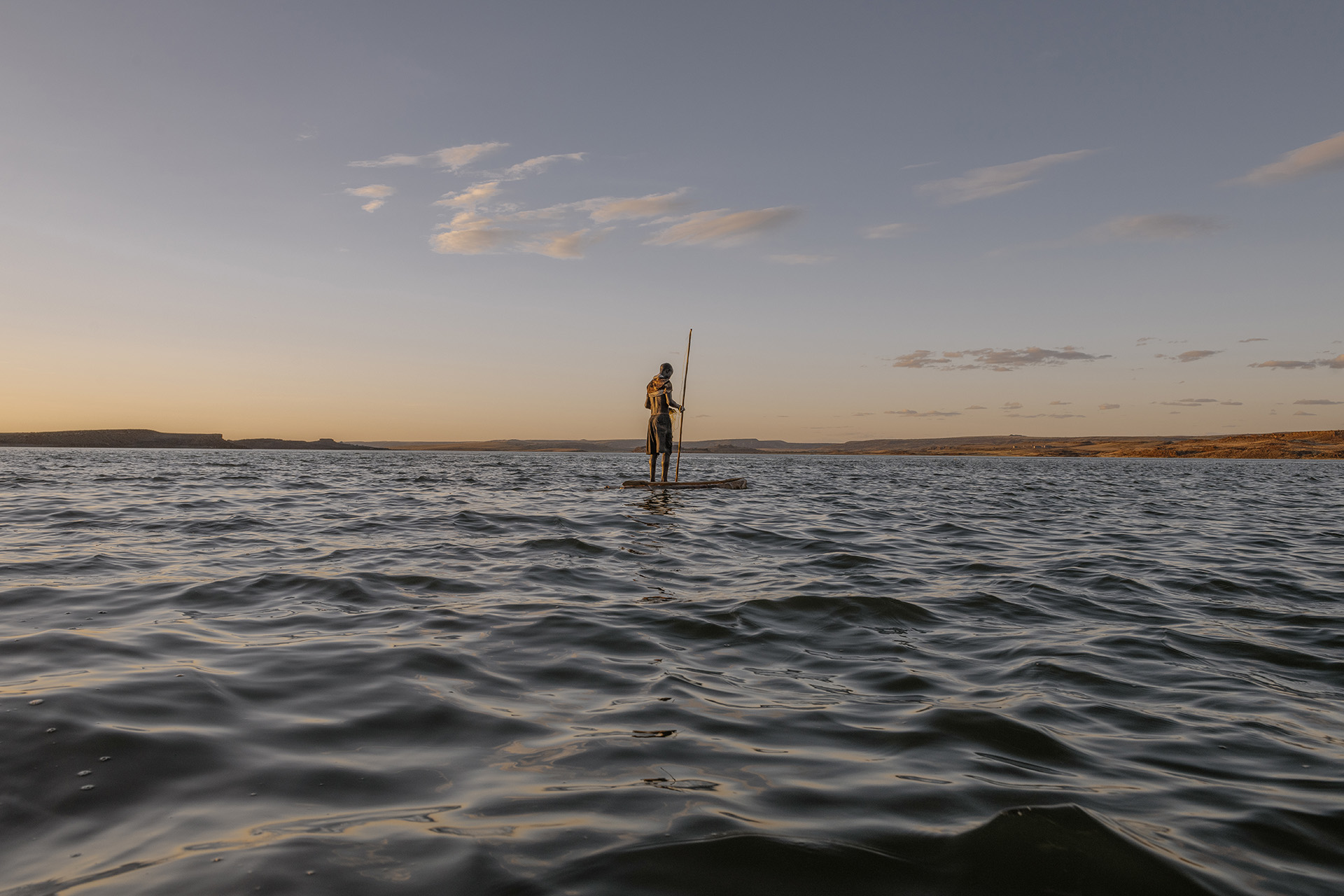
On the shores of the lake live the El Molo, the smallest ethnic community in Kenya. For centuries, their history has been intimately linked to the waters of the lake. Unlike their neighbours, whose livelihoods relied mainly on livestock, the El Molo have always depended on fishing.
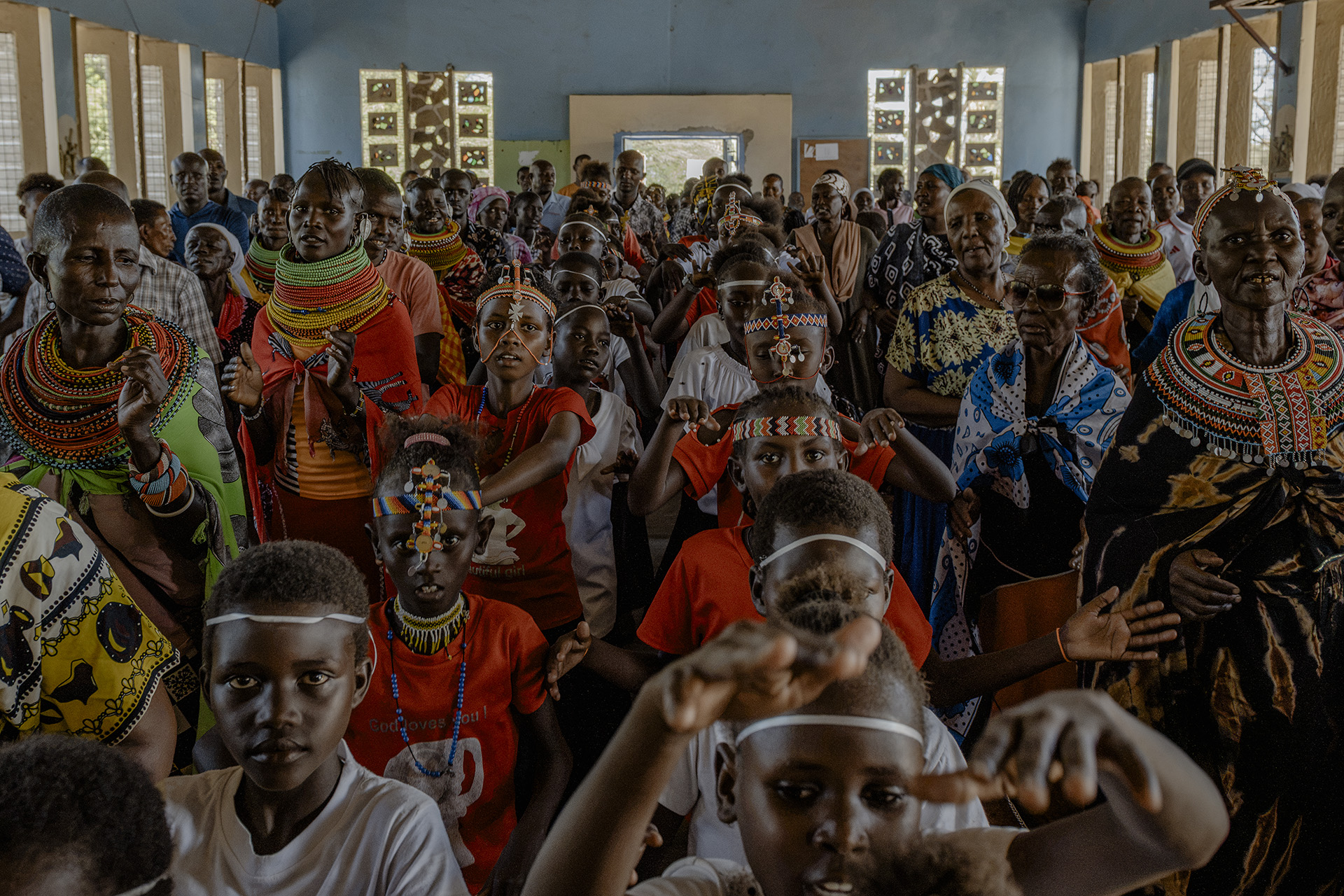
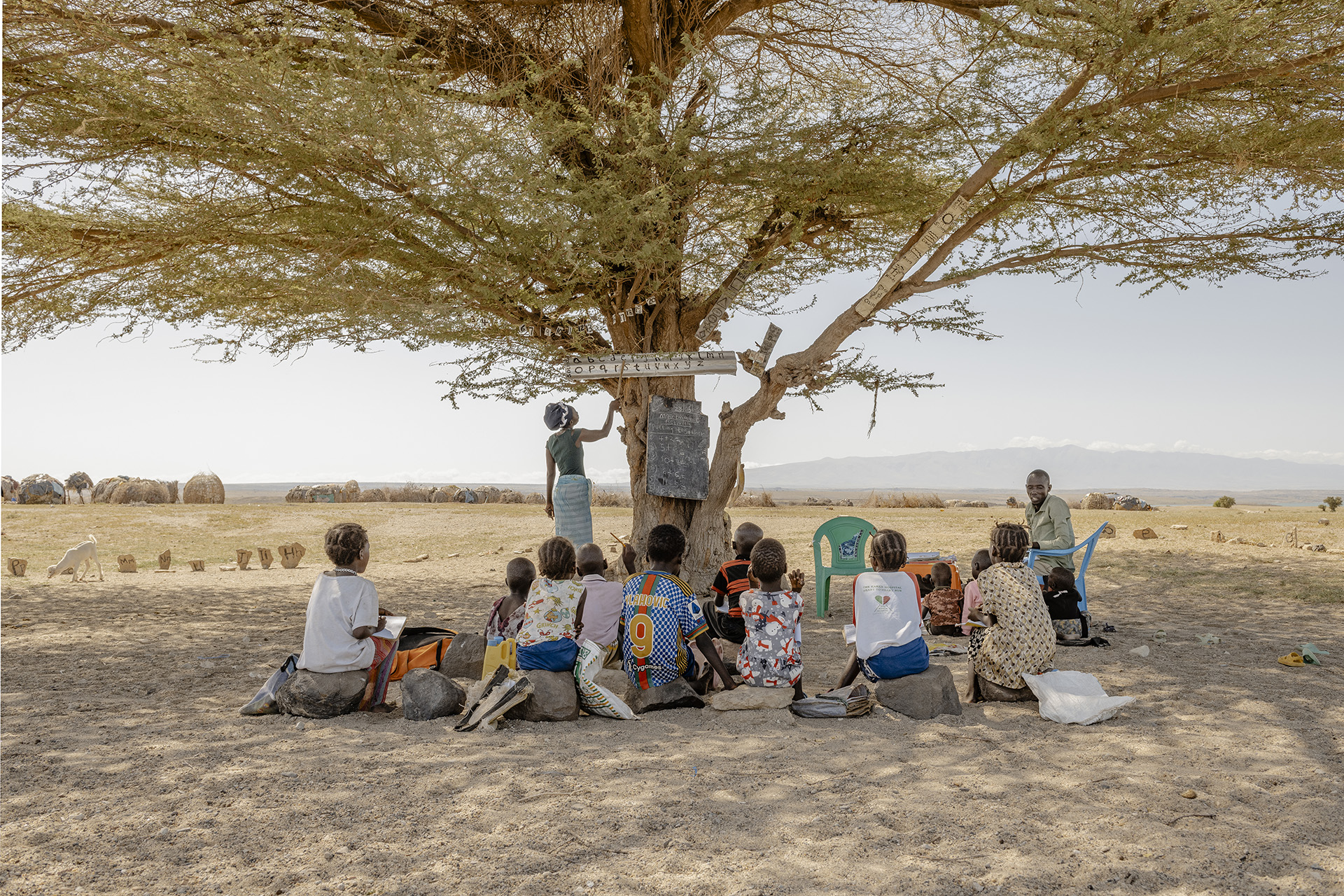
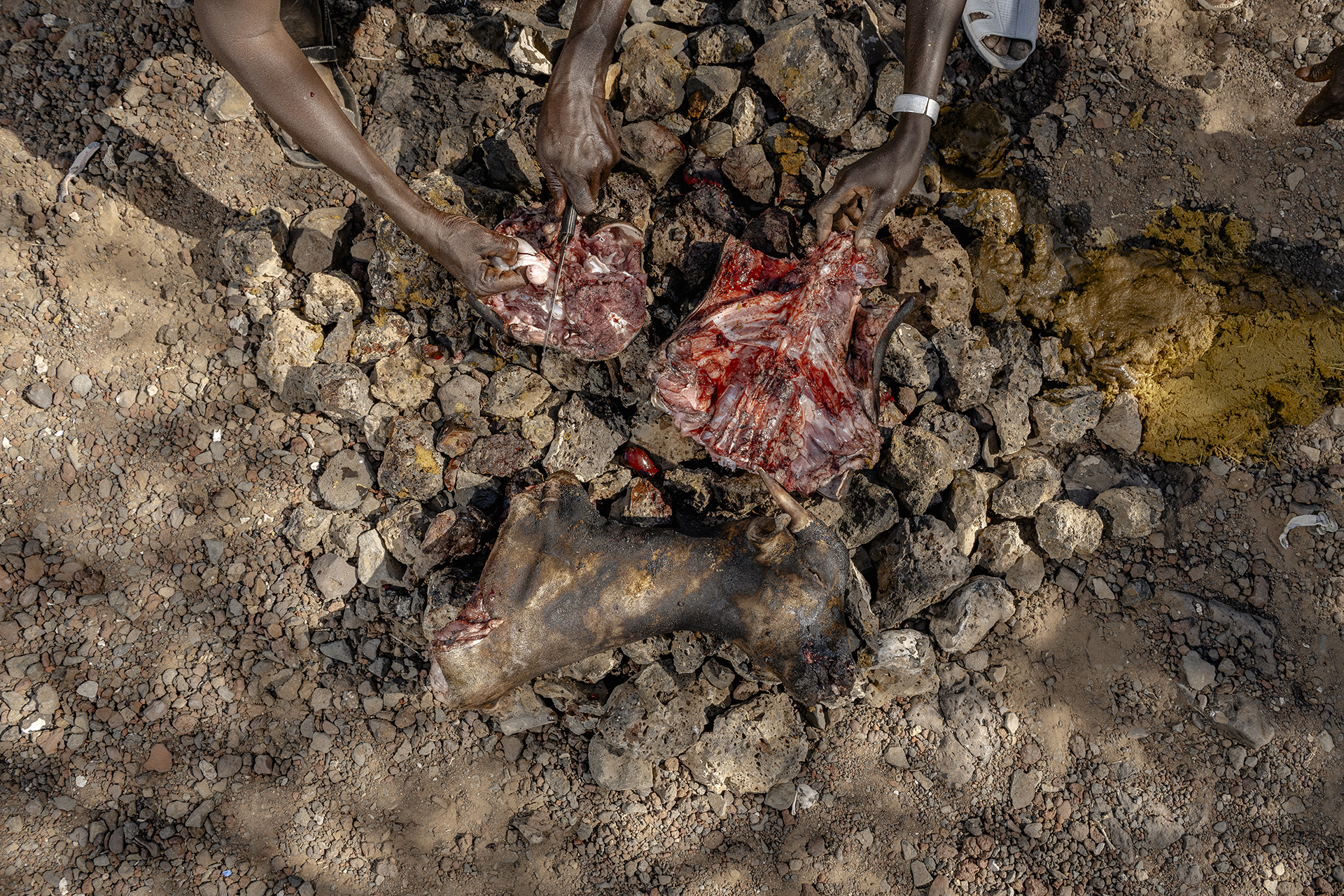
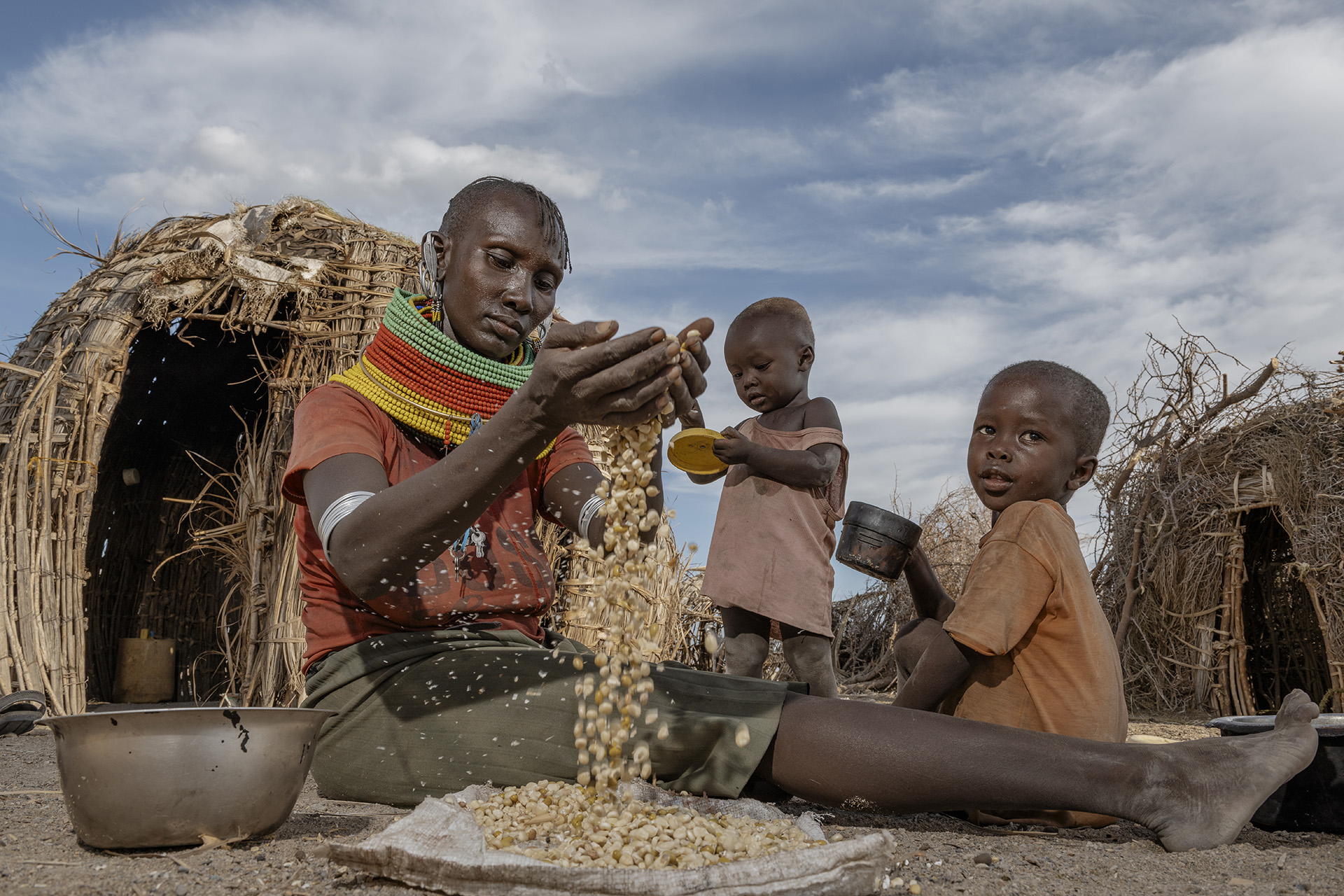
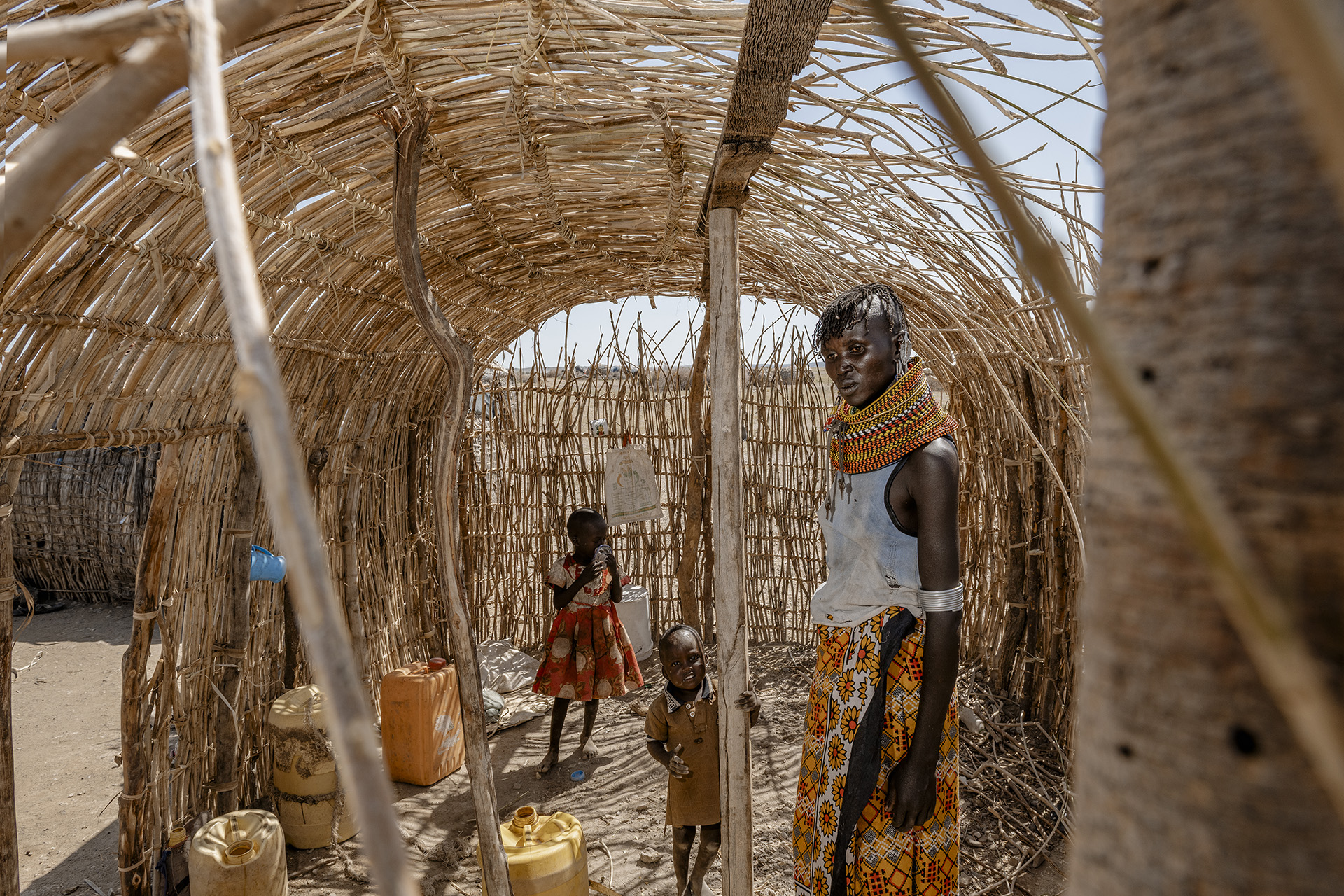
Across the lake Turkana, these upheavals extend far beyond the El Molo community. The Turkana, traditionally a pastoral people, have gradually turned to fishing as droughts have taken their toll. For Turkana families who have lost part, sometimes all, of their herds during devastating droughts, fishing has emerged as the only alternative to feed their families.
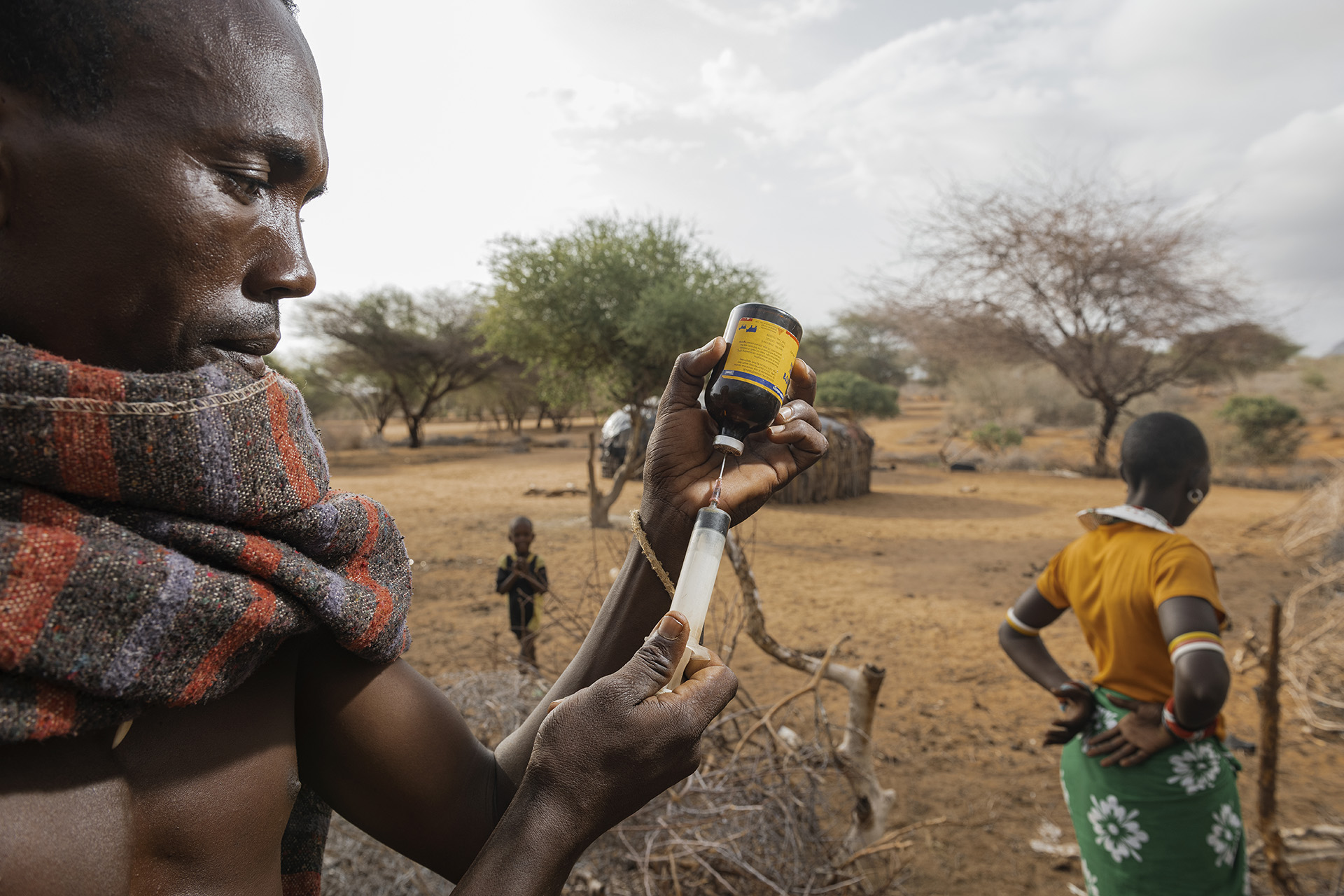
Yet across northern Kenya, everyone is now trying to find new ways of living with an environment that no longer follows the rules of the past.
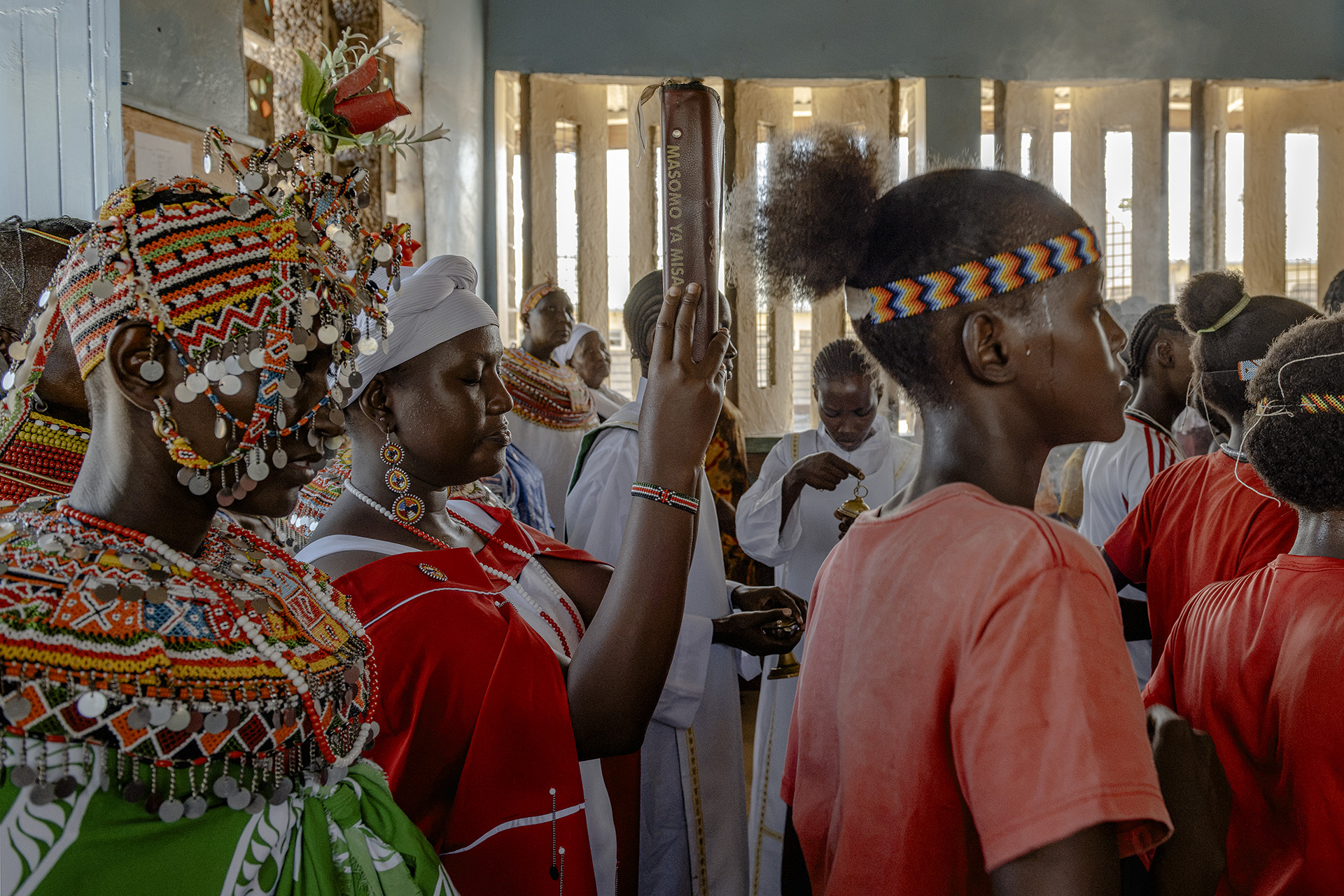
For those who live here, climate change is therefore not only transforming the landscape. It is transforming the very relationship between people and the territory they inhabit. What was once an exception is becoming more frequent. What could once be anticipated has become uncertain.
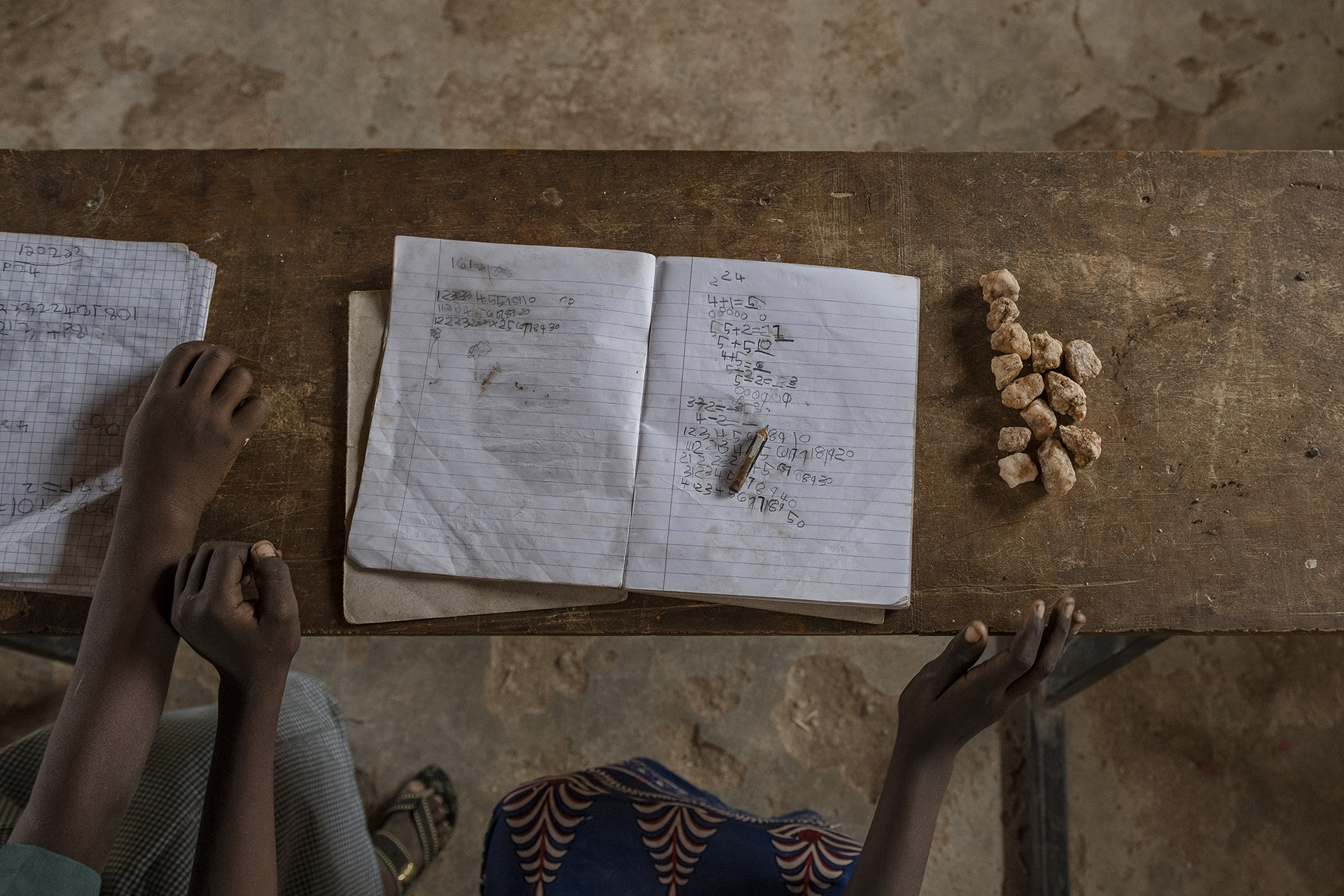
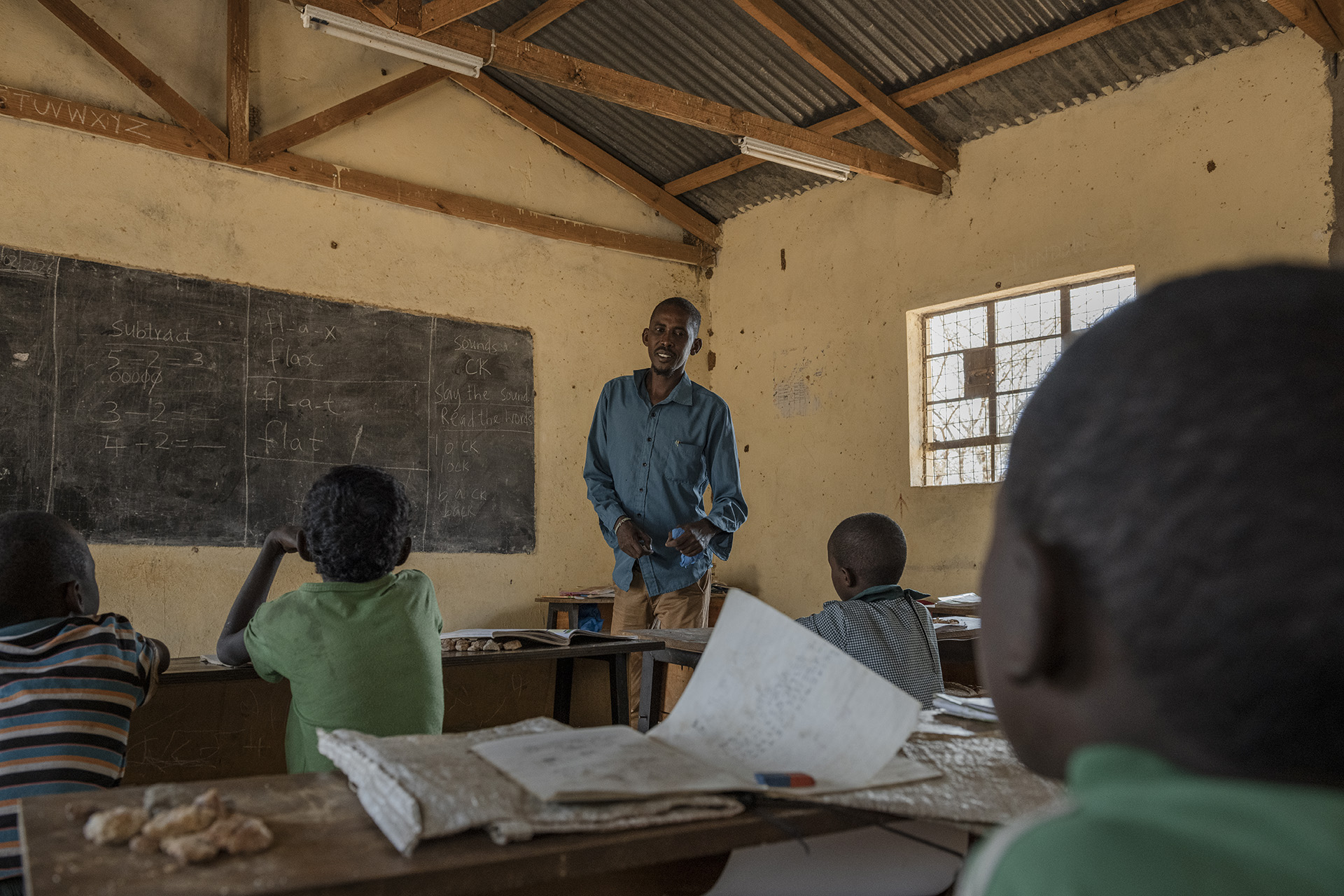
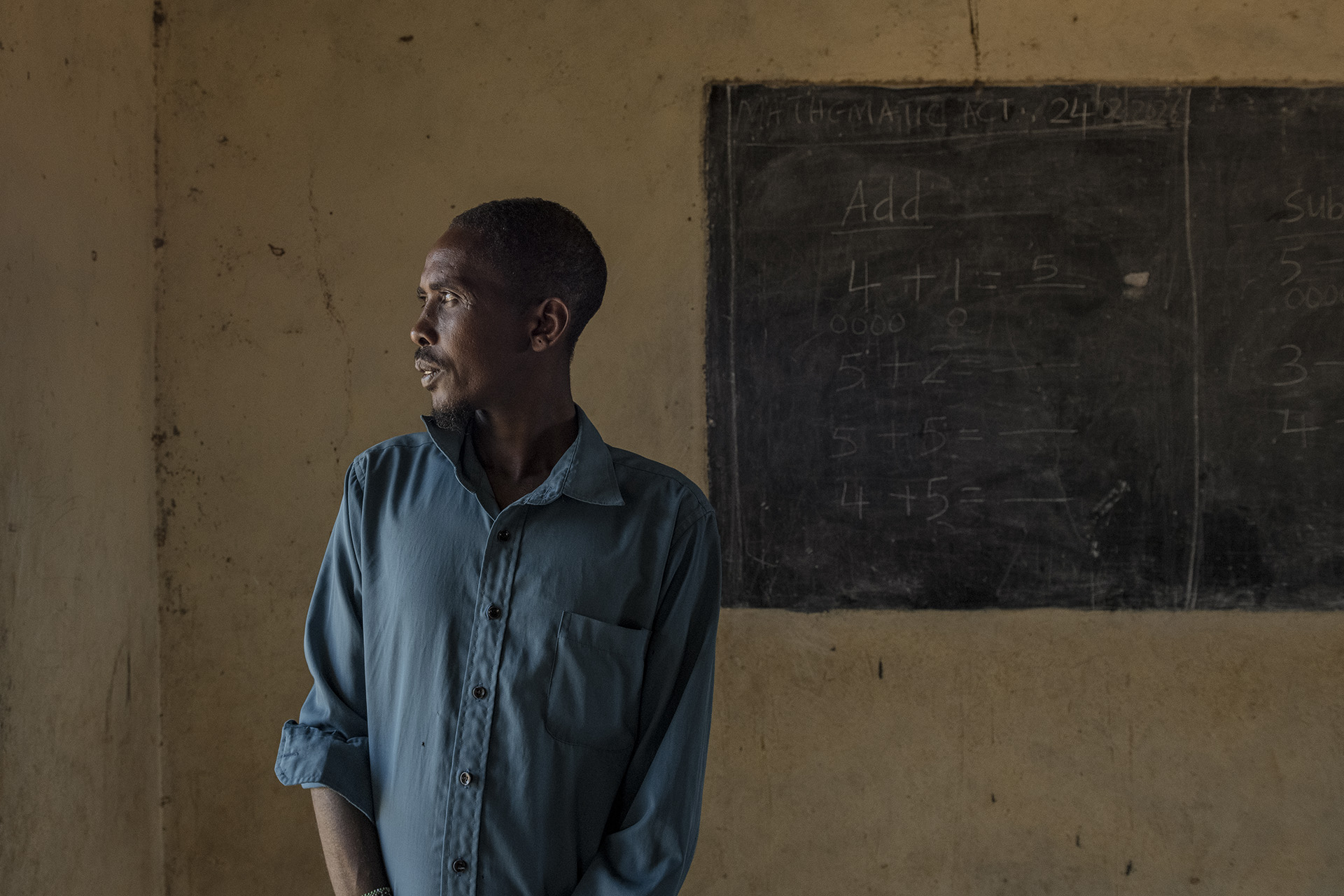
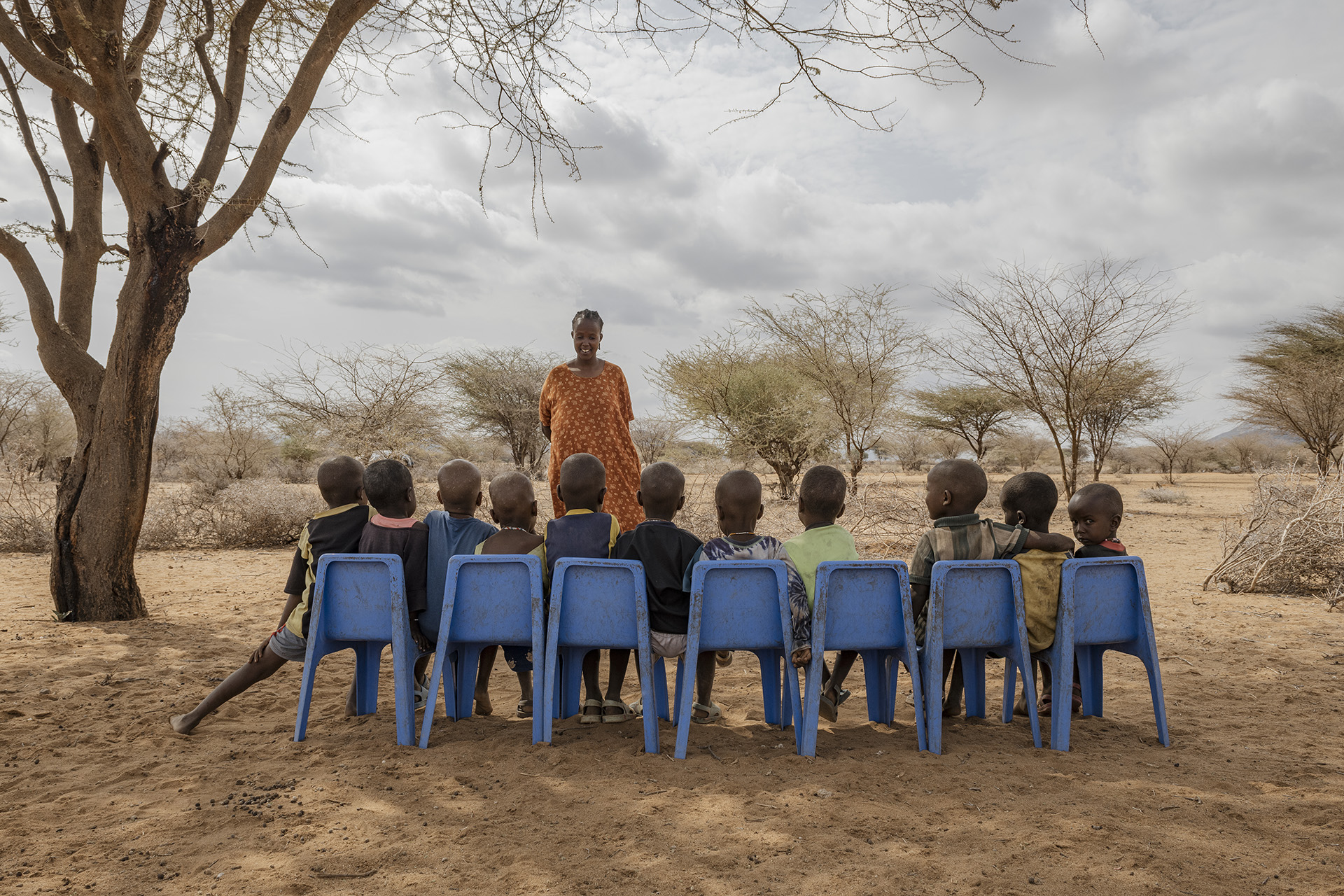
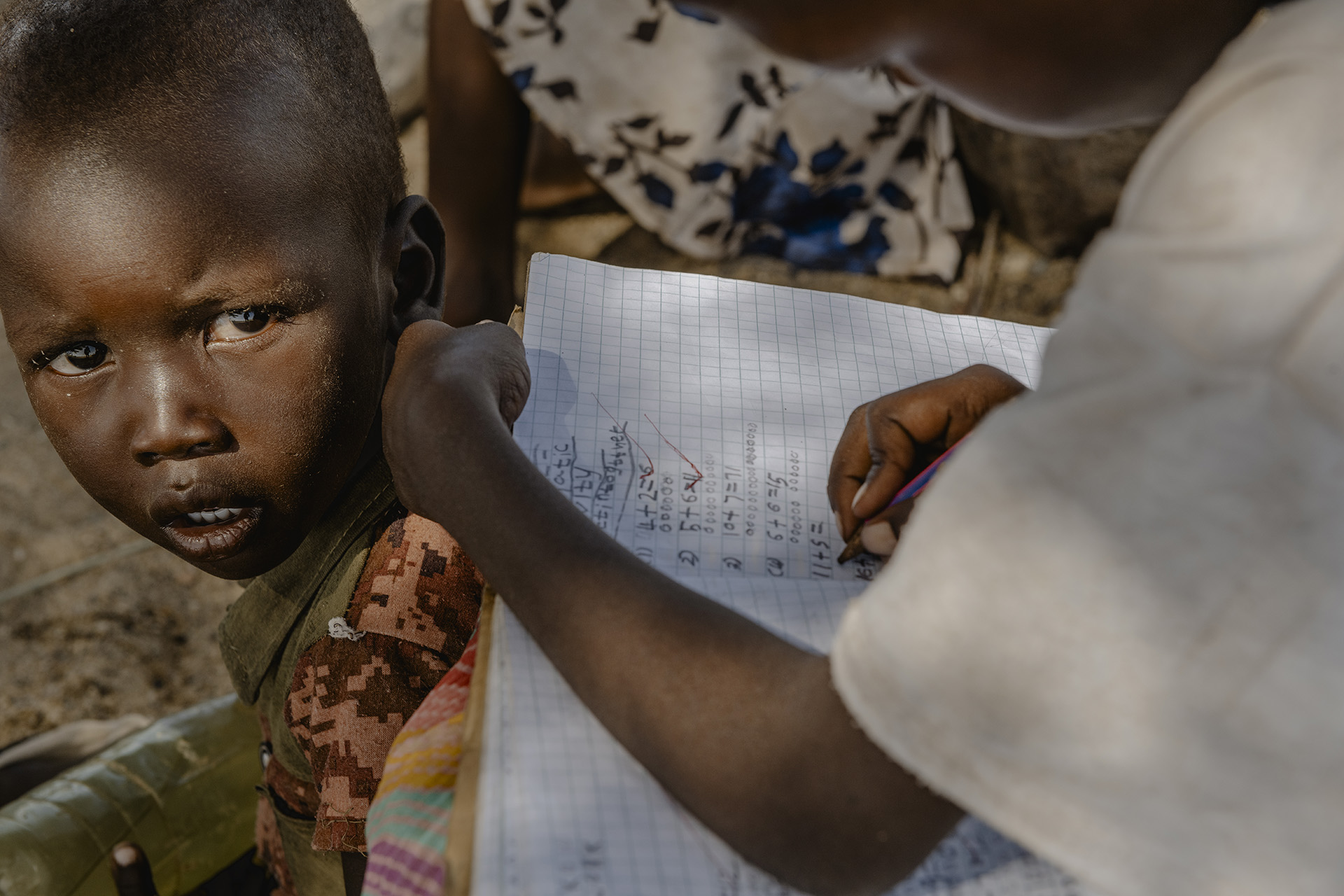
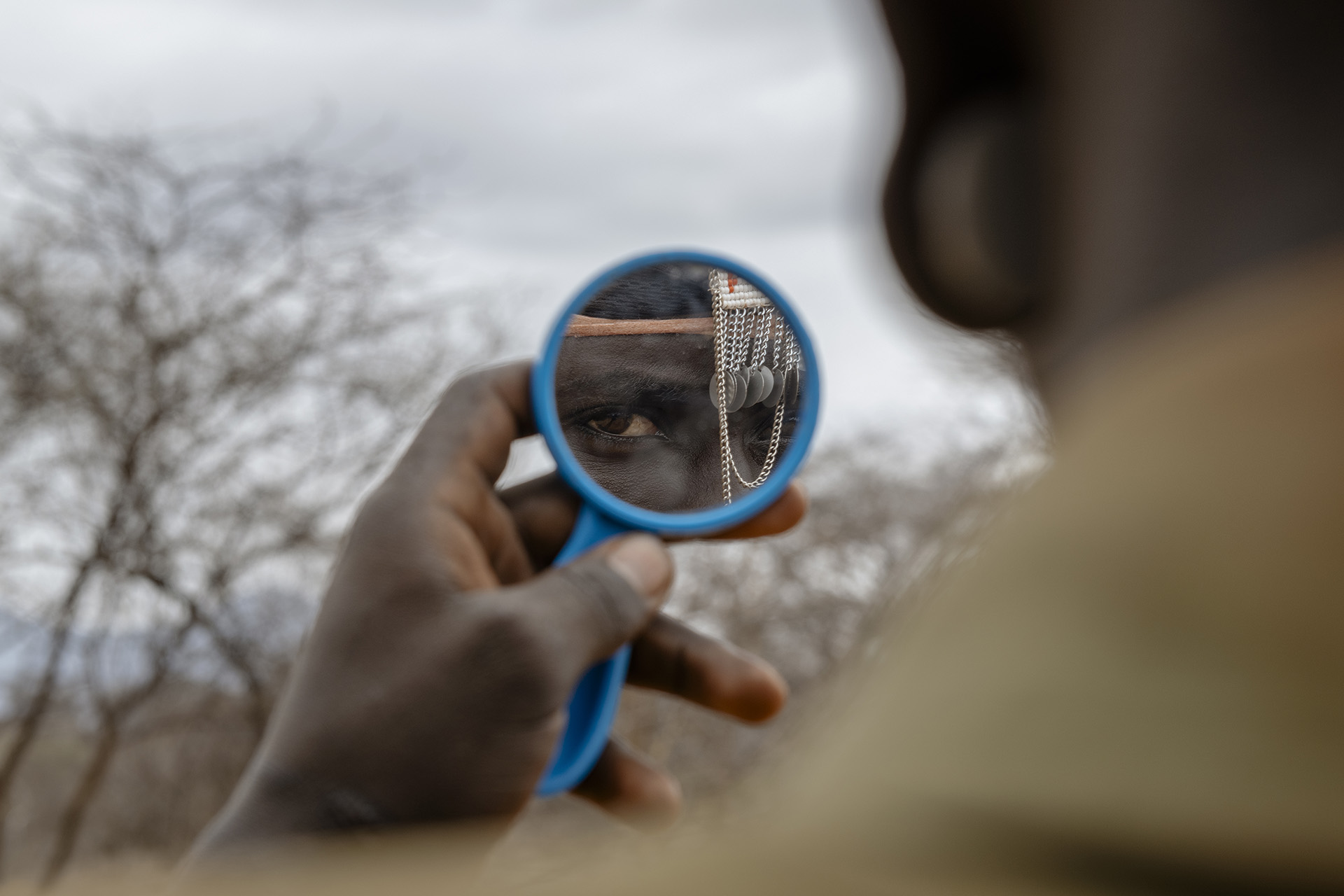
For centuries, their ability to adapt rested on an intimate knowledge of their environment. That knowledge remains precious today. But it is no longer always enough. They must learn to navigate an environment whose rules are changing faster than generations can pass them on. To preserve some forms of knowledge, abandon others, and acquire new ones.
The challenge for the generations to come may therefore not be to recover the world their parents knew. It may be to learn to live in a world where the certainties on which they built their lives have become increasingly rare.
Full story, both in French and English, available on request.